
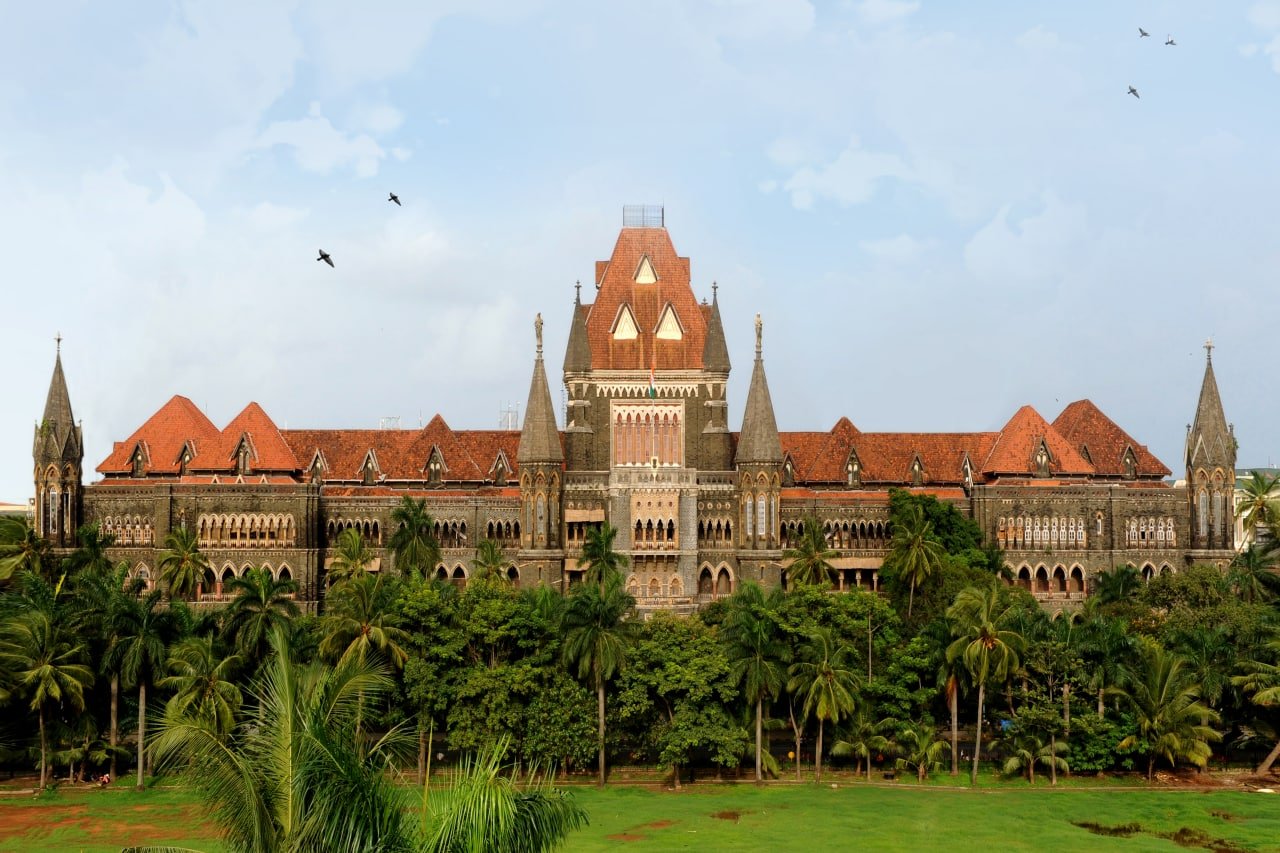
In a major ruling, the Bombay High Court has restored the flying licence of a senior Air India pilot after striking down a 15-year-old suspension order issued by the Directorate General of Civil Aviation (DGCA). The court held that the suspension was imposed without a show-cause notice, without clear reasoning, and without specifying any duration, making the action legally unsustainable.
Administrative Infractions and Fair Hearing Violations
The judgment brings an end to a prolonged legal battle and offers relief to Jeetendra Krishna Varma, who was at the peak of his aviation career when the action was taken against him. At the time of suspension, Varma was 46 years old, had flown multiple aircraft types, and had accumulated nearly 7,000 flying hours, according to court records.
The case dates back to March 12, 2011, when Varma was called in by Delhi Police after returning from a Shanghai–New Delhi flight. He was accused in connection with alleged irregularities involving DGCA officials and the issuance of his pilot licence. He was arrested but granted bail within a week. Shortly thereafter, he sought reinstatement of his Commercial Pilot Licence, but received no response from the aviation regulator.
Over the years, the suspension had severe personal and professional consequences. Varma lost his job, faced financial distress, and his family life deteriorated significantly. Reports submitted to the court stated that his marriage ended in divorce proceedings and he lost contact with his children. He also claimed to have spent more than ₹50 lakh on legal proceedings during the long legal fight.
Speaking after the verdict, Varma said, “I lost everything and kept fighting for years. This decision has given me back my life and dignity.”
Registration Begins for FutureCrime Summit 2026, India’s Largest Cybercrime Conference
Aircraft Rule Provisions and Remitted Review Timelines
The Bombay High Court bench comprising Justices Manish P. Pitale and Shreeram M. Shirsat found that the DGCA had acted without following mandatory legal procedures. The court noted that no show-cause notice was issued, no specific forged document was identified, and no duration of suspension was provided. The judges termed the action “clearly illegal and unsustainable.”
The court further emphasized that administrative authorities must adhere to the principles of natural justice, particularly when actions affect an individual’s livelihood and professional standing. It held that decisions taken without proper procedure cannot be sustained in law, especially when they have long-term consequences on a person’s career.
While setting aside the DGCA order, the court remitted the matter back to the aviation regulator for fresh consideration. It directed the DGCA to give Varma an opportunity to present his case and to pass a reasoned order within two months. The court also stressed that the review process must be fair, transparent, and compliant with due process requirements.
Recertification Interventions and Operational Windows
Varma, who trained at the Airline Asian Academy in Florida, also holds an Airline Transport Pilot Licence issued by the US Federal Aviation Administration (FAA). He noted that his remaining flying career window is limited, as India allows pilots to operate up to the age of 65. He expressed hope of returning to the cockpit after the long legal ordeal.
Legal experts say the ruling underscores the importance of procedural fairness in regulatory actions. They point out that authorities must ensure transparency, clear documentation, and adherence to due process before taking decisions that can permanently affect professional livelihoods.
With the verdict, a 15-year-old dispute has come to a close, but the case is likely to remain a significant reference point in discussions around administrative accountability and the protection of professional rights in India’s aviation sector.
