

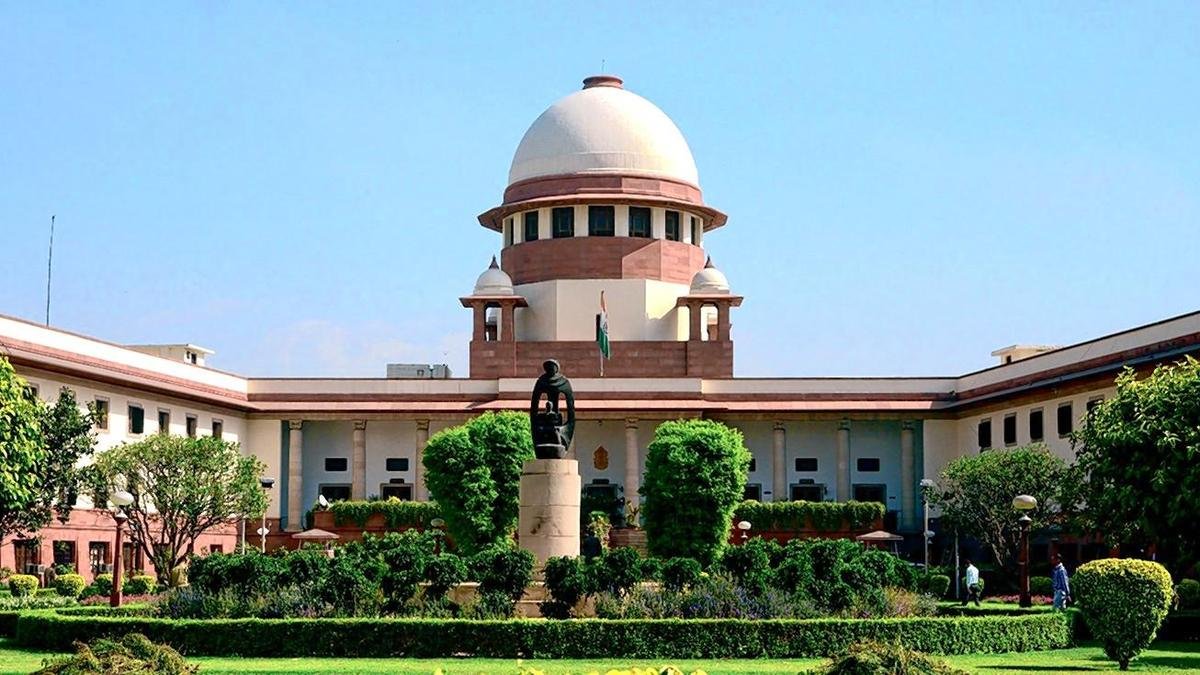

The Supreme Court of India has directed the Central Government to conduct a comprehensive review regarding the storage of Indian citizens’ personal data on foreign servers and global cloud platforms. Hearing a public interest litigation that sought a robust framework for the recovery, protection, and deletion of sensitive data stored outside the country, the apex court emphasized the need for effective safeguards in the digital era. The bench, comprising Chief Justice Surya Kant, Justice Jyomalya Bagchi, and Justice Vipul M. Pancholi, observed that the issue is primarily technical and policy-driven, requiring administrative expertise rather than direct judicial intervention. Consequently, the court directed the Ministry of Electronics and Information Technology to examine the matter as a public policy concern in light of national interest.
Judicial Emphasis on Statutory Framework and Sovereignty
The petition, filed by cybersecurity consultant Nitish Kumar, urged the court to order the creation of a structured system ensuring stronger control, retrieval mechanisms, and secure erasure options for overseas data. During the proceedings, the bench specifically referred to the Digital Personal Data Protection Act, 2023, noting that its effective implementation remains crucial for securing data within a rapidly changing digital ecosystem. The court highlighted that data protection spans complex technical, regulatory, and cross-border governance challenges that necessitate a structured evaluation before finalizing any comprehensive policy framework. The petitioner argued that increasing reliance on foreign infrastructure exposes sensitive personal information to unauthorized access, surveillance risks, misuse, and limited jurisdictional control, thereby threatening India’s data sovereignty.
Challenges in Cross-Border Data Governance
Cybersecurity and digital policy experts note that the rapid expansion of cloud computing and international digital platforms has significantly complicated governance mechanisms. Because data frequently moves across international borders, regulatory authorities face severe difficulties in establishing clear jurisdiction and enforcing compliance. Legal analysts observe that this case underscores a growing national debate centered on data sovereignty, ownership, and information control. As digital services expand rapidly across the country, policymakers face the critical balancing challenge of protecting individual privacy while maintaining national security requirements. The Supreme Court’s stance indicates that future disputes in this domain will rely more on formal expert consultation and administrative policy formulation than on direct judicial mandates.
Stakeholder Engagement and Future Policy Review
Following the directives issued by the apex court, the Central Government is expected to engage with multiple stakeholders, including technology experts, regulatory bodies, and inter-ministerial authorities, to assess viable solutions. Part of this broader administrative review will focus on strengthening the existing implementation framework of the Digital Personal Data Protection Act, 2023. Digital rights advocates maintain that any upcoming policy modifications must carefully balance individual privacy rights with the lawful data access requirements of law enforcement agencies. This development is viewed as a significant juncture in India’s evolving digital governance landscape, bringing sharper focus to the accountability of global tech platforms operating within the country and the regulation of cross-border data flows.
