
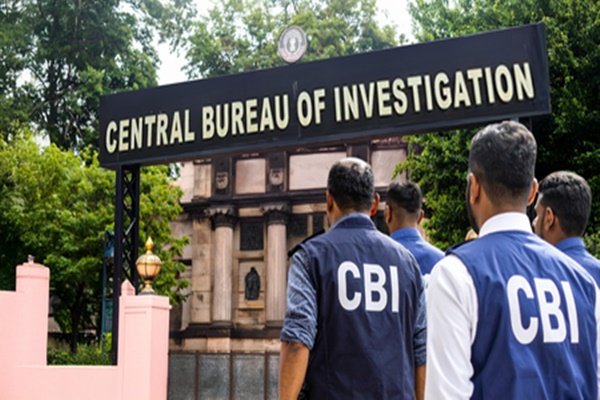
The Central Bureau of Investigation has arrested P.V. Kulkarni from Pune in connection with the NEET-UG 2026 paper leak case, alleging that he played a key role in leaking examination questions ahead of the medical entrance test. Investigators said Kulkarni was associated with the National Testing Agency as a chemistry lecturer and allegedly misused access to sensitive examination-related material.
Students Allegedly Given Questions Before Exam
According to the CBI, preliminary findings suggest that Kulkarni used his position and access within the examination process to provide questions and answers to a group of students before the exam. The agency suspects that the operation was carried out in an organised manner with the help of associates and intermediaries linked to the education network.
Registration Begins for FutureCrime Summit 2026, India’s Largest Cybercrime Conference
Investigators have alleged that during the last week of April 2026, Kulkarni and co-accused Manisha Waghmare gathered a group of students at his residence in Pune for special preparation sessions. Waghmare had been arrested earlier, and officials said her interrogation led to important leads in the wider investigation.
During these sessions, students were allegedly dictated questions, multiple-choice options and correct answers, which they wrote down in notebooks. Investigators later compared the handwritten notes with the NEET-UG 2026 question paper held on May 3 and allegedly found strong similarities.
Digital Evidence and Call Records Examined
Sources associated with the investigation said the CBI analysed digital devices, notebooks, electronic communication records and call data before identifying Kulkarni’s alleged role in the conspiracy. The agency is now examining how the examination material was accessed and whether more insiders were involved.
Investigators are also trying to determine how many students may have benefited from the alleged leaked content. Officials suspect the case may not be limited to a small leak and could involve a wider organised network operating through coaching links, trusted intermediaries and controlled circulation of confidential information.
The agency is further probing whether financial transactions were made in exchange for access to the alleged leaked questions. Forensic analysis of digital evidence, communication trails and financial records is expected to continue as the investigation progresses.
Exam Security Under Fresh Scrutiny
The case has again raised concerns over the security of national-level entrance examinations. Experts have stressed the need for stronger digital safeguards, restricted access protocols and closer monitoring of personnel involved in confidential exam operations.
Examination security specialists said modern paper leak networks often use encrypted communication, selective information sharing and limited-access insider channels to avoid detection. They have also advised students and parents to stay away from anyone claiming to provide guaranteed success, advance question papers or special answer keys.
The CBI is continuing its interrogation of the arrested accused and examining possible links across multiple states. Investigators believe more individuals connected to the network may come under scrutiny as the probe expands.
