
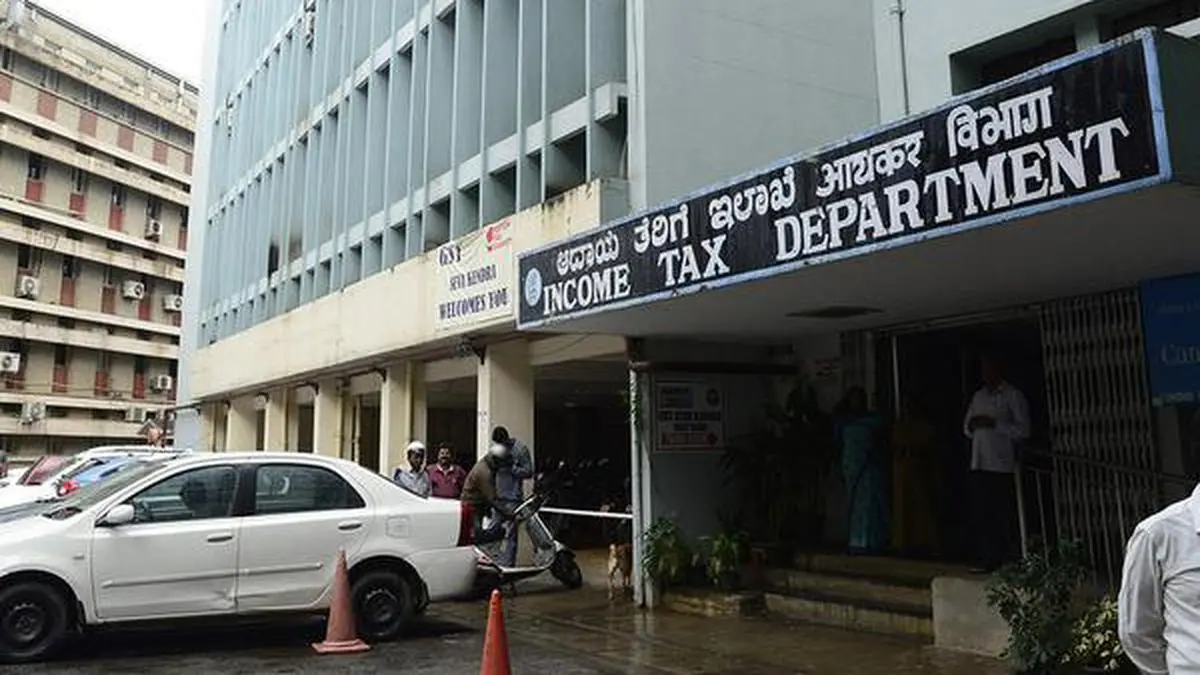
Lucknow: A large-scale investigation by the Income Tax Department into property registrations and high-value financial transactions in Uttar Pradesh has reportedly uncovered massive irregularities worth more than ₹50,000 crore. The Intelligence and Criminal Investigation Wing of the department conducted surveys across 86 Sub-Registrar Offices (SROs) in the Lucknow and Kanpur divisions, where investigators detected suspicious transactions and reporting discrepancies linked to property deals and other financial activities.
Registration Begins for FutureCrime Summit 2026, India’s Largest Cybercrime Conference
Property reporting gaps under scrutiny
According to officials, several cases were identified in which accurate details of property purchases and sales were either not shared with the Income Tax Department or were submitted with incomplete information. Authorities believe the discrepancies affected tax monitoring and financial investigations related to high-value transactions.
Officials said that under existing rules, complete details of property registrations valued above ₹30 lakh must be reported to the Income Tax Department. In addition, institutions are also required to provide information related to share transactions above ₹10 lakh, foreign exchange dealings and other large financial transactions under the Specified Financial Transactions (SFT) framework. However, the recent survey allegedly found multiple instances where such information was either delayed, partially disclosed or inaccurately reported.
During a meeting with officials and reporting entities, SH Usmani, Director of the Intelligence and Criminal Investigation Wing, emphasized that timely and accurate SFT reporting is a legal obligation. He warned that institutions failing to provide correct information could face heavy penalties and legal action. The department has directed all concerned entities to submit pending SFT details by May 31.
Border districts and cash dealings face closer checks
Investigators said some of the most serious irregularities surfaced in districts located near the Nepal border. Authorities suspect that in several cases, actual property values were deliberately underreported during registration while the remaining amount was allegedly exchanged in cash. Officials are also examining cases involving suspicious identity documents and potentially fraudulent paperwork used in property transactions.
Following the findings, the state government has introduced additional safeguards in the property registration process. PAN and Aadhaar verification through OTP-based two-step authentication has now been made mandatory during registrations. Officials believe the move will help curb fake identities, benami property transactions and suspicious financial activities. Sources said several questionable transactions have already been flagged under the new verification system.
The Income Tax Department’s scrutiny is not limited to sub-registrar offices alone. Authorities are also monitoring financial records of hotel operators, jewellers, forex exchange businesses and other entities involved in large cash transactions. Special focus has been placed on cases involving cash payments exceeding ₹2 lakh. Investigators suspect that some businesses may have been concealing actual transaction values to evade tax regulations.
Digital monitoring may widen tax evasion probe
The department has also advised taxpayers and financial institutions to ensure strict compliance with income tax rules. Officials stated that interest earned from fixed deposits, investments and other financial instruments must be accurately disclosed in income tax returns. Any concealment or submission of incorrect financial information may attract future penalties and enforcement action.
Experts believe that increased digital monitoring of property registrations and financial transactions could significantly impact benami property holdings, hawala operations and tax evasion networks. Investigating agencies are now examining cases where property values may have been deliberately undervalued during registration to reduce stamp duty and tax liabilities.
