

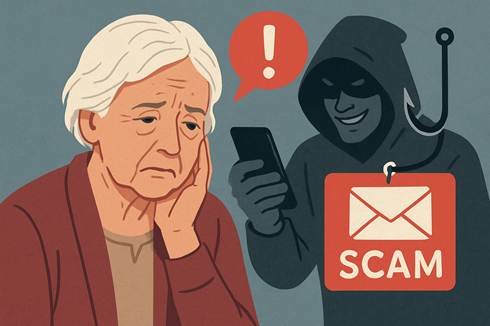

A 64-year-old woman in Bhopal was defrauded of approximately ₹25.65 lakh in a sophisticated digital arrest scam after being targeted by individuals posing as central security officials. The victim, identified as Aruna Chincholkar, reported the incident following a series of WhatsApp calls that began in November 2025. The perpetrators claimed to be from the Internal Security and Counter-Terrorism Departments, alleging that her name was linked to serious criminal activities and a national security investigation.
Psychological Tactics and Virtual Detention
The fraudsters utilized a deceptive concept known as digital arrest to convince the victim that she was under constant surveillance and virtually detained. By maintaining continuous communication through video calls and messages, the attackers successfully isolated Chincholkar from her family and prevented her from seeking external advice. This psychological pressure was reinforced by the delivery of fabricated digital documents, including fake legal notices and case numbers, which lent an air of official legitimacy to the fraudulent investigation.
Financial Layering and Syndicate Operations
Under sustained coercion, the victim was directed to transfer funds in multiple installments to various bank accounts. The scammers provided assurances that these payments were part of a mandatory verification process and would be fully refunded upon the conclusion of the case. Investigating agencies found that once the transfers were completed, the money was rapidly moved through a network of accounts. This layering process was designed to obscure the financial trail, leading investigators to believe the operation is managed by an organized cybercrime syndicate spanning several states.
Expert Warnings on Social Engineering
Professor Triveni Singh, a cybercrime expert and former IPS officer, noted that such scams rely more heavily on psychological manipulation than technical skill. He observed that criminals first create a state of fear to disable rational thinking before isolating their targets from support systems. Law enforcement authorities have reiterated that no government agency conducts arrests or demands money via video calls. A detailed investigation into the mobile numbers and digital trails used in the fraud is currently underway as police work to dismantle the criminal network.
