
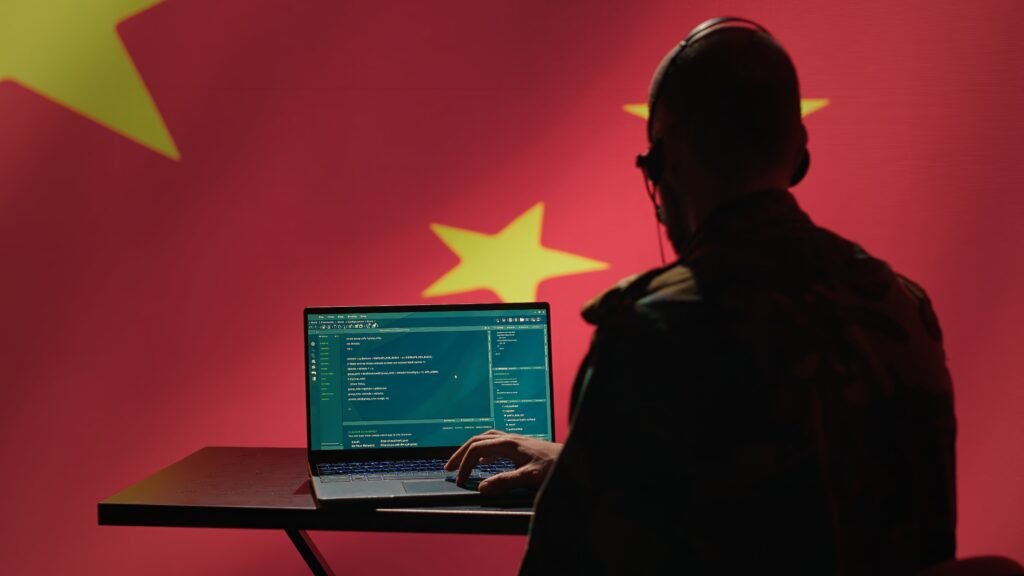
Tianjin: A hacker identifying as “FlamingChina” claims extraction of over 10 petabytes—10 million gigabytes—from China’s National Supercomputing Center Tianjin (NSCC), marking potentially largest cyber heist exposing missile schematics, classified defense documents.
Tianjin NSCC: 6,000 Clients Breached
Established 2009 facility serves aerospace (AVIC, COMAC), National University of Defense Technology, bioinformatics, fusion research. Samples confirm “secret” labelled documents, military renderings, simulations consistent with supercomputing workloads.
Compromised VPN domain enabled automated low-volume extraction minimizing detection. Distributed across systems avoided bulk transfer alerts per SentinelOne’s Dakota Cary analysis. February Telegram previews include technical files, computational outputs matching NSCC client diversity. Full 10PB dataset offered cryptocurrency payment—hundreds of thousands USD estimated.
Breach exploited architectural gaps rather than zero-days. “Small amounts leaving system less likely noticed,” Cary explained. Method effective despite lacking innovation.
FCRF Launches Premier CISO Certification Amid Rising Demand for Cybersecurity Leadership
National Security Catastrophe Scale
10 petabytes equals 10,000 high-end laptops. Aerospace engineering, military R&D exposure threatens technology edge amid US-China rivalry escalation. Prolonged access undetected questions NSCC cybersecurity maturity. Client diversity amplifies breach impact across strategic sectors.
Samples reviewed by cybersecurity experts match expected supercomputing outputs. Full dataset sale pricing reflects perceived intelligence value.
Incident exposes systemic digital fortress gaps during AI/supercomputing leadership push. Foreign intelligence attribution speculation intensifies.
Global Intelligence Asset Race
10PB dataset represents crown jewels: hypersonic designs, quantum simulations, fusion breakthroughs. Strategic value exceeds monetary pricing. Chinese authorities silent; international attribution intelligence sharing essential. Breach forensics determine insider facilitation probability.
NSCC represents computational sovereignty pillar. Breach undermines technology independence narrative amid semiconductor restrictions.
About the author – Rehan Khan is a law student and legal journalist with a keen interest in cybercrime, digital fraud, and emerging technology laws. He writes on the intersection of law, cybersecurity, and online safety, focusing on developments that impact individuals and institutions in India.
