

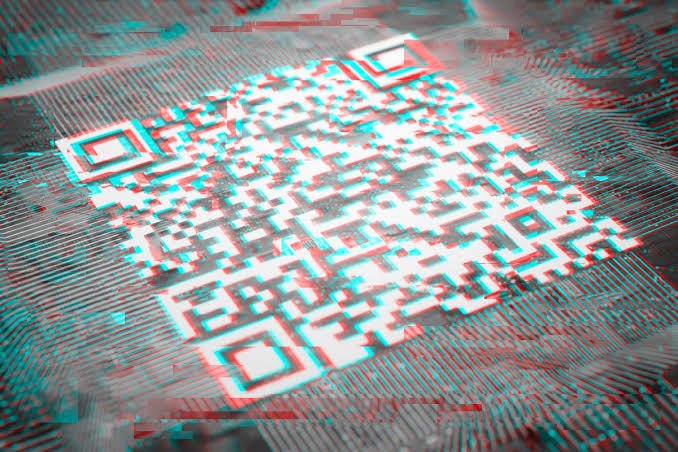

QR codes have become an everyday tool for payments, menus, and public information, but their widespread use is increasingly being exploited by cybercriminals to carry out fraud and data theft.
What are QR codes and why they are widely used
A QR code, or quick response code, is a type of barcode that stores information in a square pattern of black and white pixels. First developed in 1994 by the Japanese company Denso Wave, QR codes are now widely used because they are easy to create and can be scanned instantly using a smartphone camera.
They are designed to simplify actions such as opening web pages, making payments, or accessing services without typing. However, they do not reveal the destination of a link before scanning, removing a key layer of user awareness and making them potentially risky despite their convenience.
FCRF Launches Premier CISO Certification Amid Rising Demand for Cybersecurity Leadership
How scammers exploit QR codes
Cybercriminals are increasingly using QR codes in phishing attacks, a method commonly referred to as “quishing”. Instead of sending clickable links, scammers embed QR codes in emails or messages that direct users to fraudulent login or payment pages.
In public spaces, attackers may place stickers with fake QR codes over legitimate ones, such as on parking meters, posters, or signboards. When scanned, these codes can redirect users through multiple websites before landing on a convincing fake page, making detection difficult.
Some malicious QR codes may also trigger downloads of harmful files or applications, potentially giving attackers access to a user’s device, data, or accounts. Because these actions occur quickly, users often have little time to verify the authenticity of the link.
How users can protect themselves
Experts advise treating QR codes with the same caution as unknown web links. Users should check for signs of tampering, such as stickers placed over original codes, and review the web address preview before proceeding.
Scanning codes received through unsolicited emails or messages should be avoided, especially if they prompt login or payment actions. Users are encouraged to visit official websites directly instead of relying on QR links.
Entering personal or financial details immediately after scanning should be avoided unless the source is verified. Keeping devices updated with the latest security patches can also help reduce exposure to malicious sites and downloads.
While QR codes themselves are not inherently dangerous, their ability to conceal destination links makes them a convenient tool for attackers. As their use continues to grow in public and digital spaces, caution and verification remain essential safeguards.
Follow for daily updates on cybercrime, corporate fraud, DFIR, hacking, investigations, and digital forensics
