
New Delhi: The Supreme Court of India has summoned the Union Home Secretary to appear on Tuesday regarding the ongoing CCTV installation project in police stations. The court is closely monitoring the project to ensure effective surveillance and transparency.
Security Concerns Over Chinese-Made Cameras
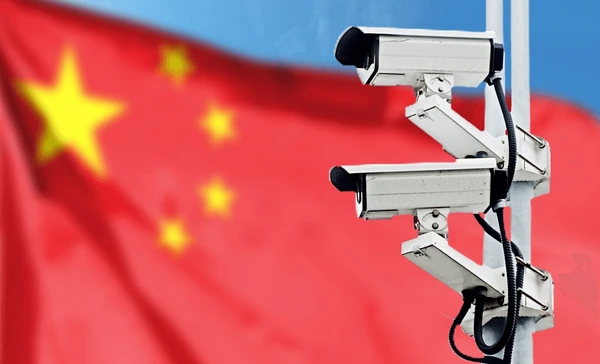
A bench comprising Justices Vikram Nath and Sandeep Mehta issued the order during a suo motu case on the lack of functional CCTV systems. Media reports highlighted the removal of Chinese-made cameras due to security concerns, as some devices were allegedly sending data abroad. The bench questioned why other states could not follow Kerala’s successful model.
The Additional Solicitor General informed the court that no formal removal order had been issued yet. The bench expressed dissatisfaction over low-level officials attending prior meetings, emphasizing that senior officers’ presence was essential. Consequently, the Home Secretary has been mandated to appear.
The Supreme Court had first directed CCTV installation in police stations in 2018 to prevent human rights violations. In 2020, this directive was extended to offices of investigative agencies like CBI, ED, and NIA, requiring cameras with audio-visual recording, night vision, and one-year data storage capacity.
FCRF Launches Premier CISO Certification Amid Rising Demand for Cybersecurity Leadership
Coordination Between States and Central Agencies
Funding for the project is shared between the Centre and states, with the Centre covering 60% of costs. The court stressed that successful implementation requires coordination between states and central agencies while maintaining strict technical security standards.
Experts note that gaps in CCTV coverage can affect investigations and human rights protection. The Supreme Court emphasized that cameras must not only be installed but also fully operational and actively recording.
During the hearing, the bench highlighted that delays and weak monitoring could pose significant security risks. The Home Secretary is expected to play an active role in ensuring rapid implementation, technical security, and regular monitoring.
This step is being seen as part of broader efforts to strengthen digital security and human rights protection across police stations and investigative agencies in India. The Supreme Court reaffirmed that neglecting security standards under any circumstances is unacceptable.
