
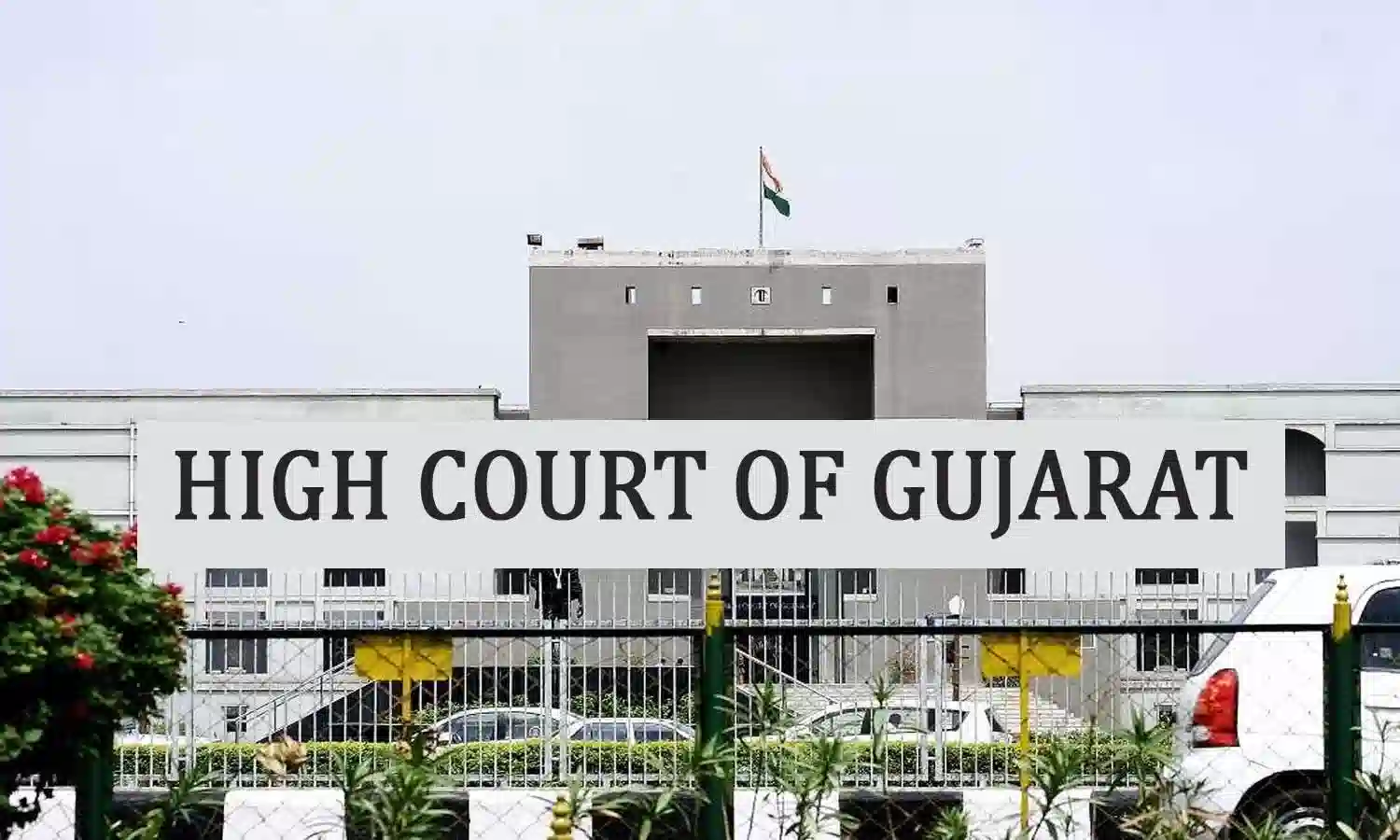
The Gujarat High Court has recently issued comprehensive guidelines imposing a complete ban on the use of artificial intelligence in judicial processes. The policy was announced on Saturday during a conference of district court judges in Gujarat. The court clarified that AI shall not be used in any manner for taking decisions, drafting orders, preparing judgments, considering bail or sentences, or conducting any essential part of judicial proceedings.
According to the High Court, artificial intelligence technology carries significant risks, including misconceptions, bias, breach of confidentiality, and erosion of judicial independence. Judicial decisions and orders must rely solely on human discretion and expert review. The court instructed that AI shall not be employed, directly or indirectly, in making judicial decisions, applying the law, interpreting facts, evaluating arguments, determining rights or entitlements, sentencing, granting bail, issuing interim orders, or drafting final decisions.
FCRF Launches Premier CISO Certification Amid Rising Demand for Cybersecurity Leadership
No AI in Fact Examination or Order Drafting
The policy document further clarified that AI shall not be used to examine facts, law, or procedures in any judicial proceeding. The court emphasized that no decision or order can be written, generated, or substantially influenced by AI, even if a judge subsequently reviews it.
Expert Views on Protecting Judicial Discretion
Experts consider this step crucial for protecting judicial independence, transparency, and confidentiality. Senior legal analyst Professor R. K. Mehra stated, “AI technology can process information rapidly, but it cannot fully comprehend judicial discretion and sensitivity. Its use could reduce human elements in decisions and affect public confidence in the judicial system.”
Limits on Tech: Administrative Use Only
The High Court also stressed that judicial officers should limit the use of technological tools to administrative tasks only, such as document management, recording, and information collection, not decision-making. Additionally, subordinate courts and police officials were instructed to avoid misleading language, improper terminology, and disrespectful tone in filings.
Legal experts note that AI-based systems, such as big data analytics and automated tools, if not monitored and controlled, could pose a risk to judicial fairness and confidentiality in sensitive cases. The High Court policy ensures that all judicial decisions remain fully grounded in human judgment, free from technological bias.
In conclusion, the Gujarat High Court’s initiative is a significant step toward strengthening the independence, transparency, and accountability of the judicial system. Judicial officers must now rely solely on human discretion and deep legal understanding in all decisions, orders, and judgments.
About the author – Ayesha Aayat is a law student and contributor covering cybercrime, online frauds, and digital safety concerns. Her writing aims to raise awareness about evolving cyber threats and legal responses.
