
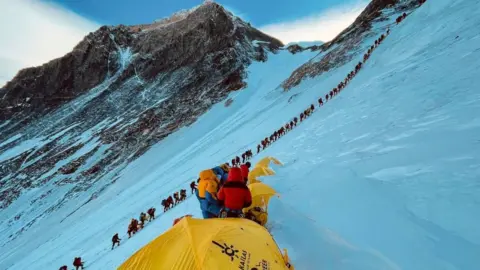
A shocking fraud linked to the world’s highest peak, Mount Everest, has rattled the global adventure tourism industry. Authorities in Kathmandu have uncovered an elaborate ₹165 crore (approximately $20 million) insurance scam, where trekking guides, agencies, helicopter operators, and medical personnel allegedly colluded to defraud international travel insurers.
Investigations have revealed that at least 32 individuals are facing charges of organized crime and fraud, pointing to a deeply entrenched network operating within the Everest trekking ecosystem.
How the ‘Illness’ Trap Was Orchestrated
According to investigators, certain trekking guides deliberately tampered with food and beverages given to foreign trekkers. Substances such as baking soda were allegedly mixed into consumables, causing symptoms like nausea, dizziness, and vomiting.
These symptoms were then misrepresented as acute altitude sickness, a potentially life-threatening condition common in high-altitude regions like Everest Base Camp. Given the risks associated with such illnesses, trekkers were pressured into तत्काल evacuation via helicopter.
FCRF Launches Premier CISO Certification Amid Rising Demand for Cybersecurity Leadership
Helicopter Rescues Turned Into Profit Machine
Once declared “seriously ill,” trekkers were airlifted from remote mountainous zones via helicopter—often presented as an emergency life-saving measure. They were then taken to hospitals or clinics allegedly linked to the fraud network.
At these facilities, patient conditions were exaggerated, and in many cases, entirely fabricated medical reports were created. Unnecessary treatments were also administered to inflate insurance claims.
Each helicopter evacuation can cost thousands of dollars, typically covered by international travel insurance. This made the rescue operations a lucrative revenue stream for the accused.
Web of Forged Documentation
A critical pillar of the scam was the systematic fabrication of documents. Medical reports, flight logs, and billing records were manipulated to create a convincing narrative for insurance companies.
These forged documents made it appear that the rescues and treatments were medically essential, enabling large payouts. Authorities estimate that the network siphoned off around ₹165 crore through such fraudulent claims—making it one of the biggest scams linked to Himalayan tourism.
Who Are the Accused
The 32 accused individuals include trekking agency operators, guides, helicopter company officials, and hospital staff. The scale and diversity of those involved indicate a coordinated operation spanning multiple layers of the tourism and emergency response system.
Investigators believe the network may have been active for several years before being exposed.
Why the System Was Vulnerable
Experts point out that in high-altitude zones like the Everest region, helicopter rescues are often the only viable life-saving option. Due to harsh terrain and limited infrastructure, decisions must be made quickly.
This leaves little room for insurers to independently verify claims on the ground, creating opportunities for exploitation. The urgency and unpredictability of altitude-related illnesses further complicate oversight.
Impact on Tourism and What Lies Ahead
The revelations have cast a shadow over Nepal’s tourism credibility. Every year, thousands of international trekkers visit Mount Everest and surrounding trails, contributing significantly to the economy.
However, this scandal may erode trust among tourists, raising concerns about safety and ethical practices. Legitimate operators and guides could also suffer reputational damage due to the actions of a few.
Legal proceedings against the accused are currently underway. Authorities are also probing whether more such cases exist and whether insurance companies will initiate recovery of the defrauded amounts.
The case underscores a critical need for stronger regulation, transparency, and monitoring in the adventure tourism sector—especially in high-risk environments where lives and large financial stakes intersect.
