
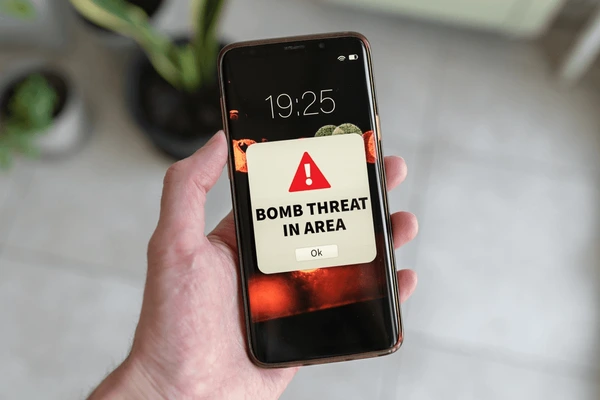
In a major breakthrough, police have arrested a man from Mysuru for allegedly sending more than 1,100 hoax bomb threat emails to various institutions across India, triggering panic and repeated security alerts.
The accused is reported to have targeted a wide range of locations, including schools, airports, hospitals, and government establishments, causing widespread disruption and forcing authorities to conduct multiple emergency evacuations and security checks.
Nationwide panic triggered by coordinated threats
According to investigators, the accused systematically sent threatening emails warning of bomb explosions at prominent locations. These messages were often timed strategically to create maximum panic and strain security agencies.
Over time, the repeated threats led to large-scale mobilisation of bomb squads, police personnel, and emergency services, significantly impacting public safety operations and diverting critical resources.
FCRF Launches Premier CISO Certification Amid Rising Demand for Cybersecurity Leadership
Digital trail leads to arrest
Authorities launched a detailed cyber investigation to trace the origin of the emails. Using technical analysis, including IP tracking and digital forensics, police were able to identify the accused and apprehend him from Mysuru.
Officials stated that the accused had used various methods to mask his identity online, but consistent digital footprints ultimately led investigators to his location.
While the exact motive is still under investigation, preliminary findings suggest that the accused may have been acting independently. Authorities are examining whether the threats were intended to create panic, gain attention, or disrupt normal functioning.
Investigators are also analysing the pattern, timing, and targets of the emails to determine if there was any larger intent or coordination involved.
Serious legal consequences likely
Police have registered multiple cases against the accused under provisions related to criminal intimidation, public mischief, and cyber offences. Given the scale of the threats and the disruption caused, the accused is likely to face severe legal consequences.
Officials have emphasised that hoax threats are treated as serious offences, as they not only spread fear but also burden already stretched emergency services.
Rising misuse of digital platforms
The case highlights the growing misuse of digital communication tools for spreading false threats. Experts warn that such incidents can have far-reaching consequences, including economic disruption and psychological distress among the public.
Authorities have reiterated that strict action will be taken against individuals engaging in such activities, and urged citizens to use digital platforms responsibly.
About the author – Ayesha Aayat is a law student and contributor covering cybercrime, online frauds, and digital safety concerns. Her writing aims to raise awareness about evolving cyber threats and legal responses.
