

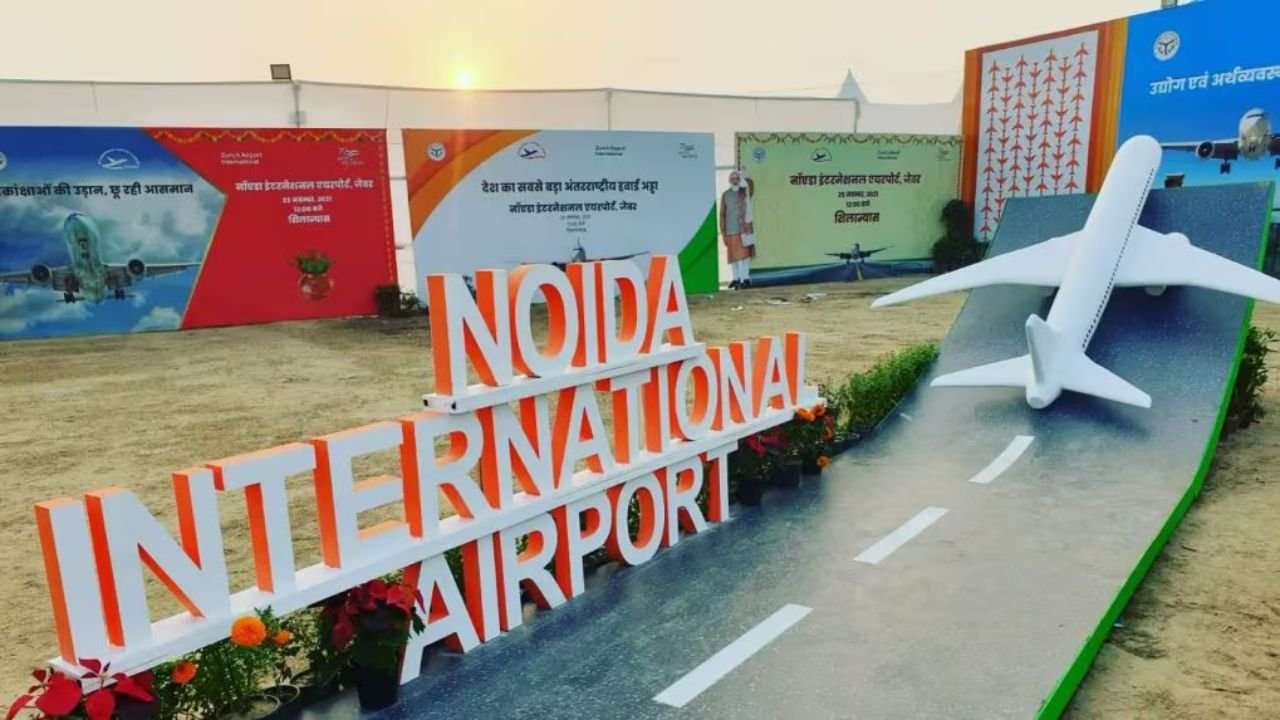

New Delhi | The Noida International Airport in Jewar, Uttar Pradesh, is set to become operational, with Prime Minister Narendra Modi scheduled to inaugurate the mega project on March 28, 2026. The airport is poised to become the largest in India and has already set a benchmark in the infrastructure sector for its rapid development timeline.
What makes the project stand out is its execution speed. From site clearance to construction and regulatory approvals, every stage has been completed with remarkable efficiency. Strong coordination between the Centre and the state government, coupled with private sector participation and global technical expertise, has ensured timely delivery.
FutureCrime Summit 2026 Calls for Speakers From Government, Industry and Academia
The foundation of the project dates back to 2014, when the Centre granted site clearance. Environmental approval followed in 2015, while in-principle approval was granted in 2018. Land acquisition began in 2019, with 1,334 hectares secured swiftly for Phase-1. In total, over 6,700 acres of land were acquired, with provisions made for farmer compensation and rehabilitation.
The airport is being developed under a public-private partnership model by Yamuna International Airport Private Limited (YIAPL), a subsidiary of Zurich Airport International AG. This brought in global expertise and streamlined project management, significantly boosting both speed and quality of construction.
Prime Minister Narendra Modi laid the foundation stone on November 25, 2021. Subsequently, in June 2022, Tata Projects was awarded the civil construction contract. The completion of Phase-1 within just 4–5 years places it among the fastest-developed airports in the country.
Phase-1 includes a 3,900-meter runway, a terminal building spread across 1.38 lakh square meters, 10 aerobridges, 48 check-in counters, 9 immigration counters, and 28 aircraft stands. The airport will initially have the capacity to handle 12 million passengers annually. A successful test flight conducted in December 2024 marked a significant milestone towards operational readiness.
In the final stages, key regulatory approvals were secured in record time. Security clearance was granted by the Bureau of Civil Aviation Security, while the aerodrome license was issued by the Directorate General of Civil Aviation. These approvals have cleared the way for commercial flight operations.
Following the inauguration, domestic and cargo flights connecting 10–12 major cities will begin in the initial phase. International connectivity will be expanded in subsequent stages. Once fully developed, the airport will feature six runways and handle up to 70 million passengers annually.
The launch of Noida International Airport is expected to significantly ease congestion at Indira Gandhi International Airport, providing NCR with a second major aviation hub. It is also projected to contribute around ₹1 lakh crore to Uttar Pradesh’s economy, boosting investment, trade, and employment.
Chief Minister Yogi Adityanath has described the project as a “new engine of growth,” emphasizing its potential to transform the region into a global connectivity hub.
All eyes are now on March 28, when flights from Jewar will mark a new chapter in India’s infrastructure story. The project stands as a strong example of how decisive governance, efficient execution, and coordinated planning can turn ambitious visions into reality ahead of schedule.
