

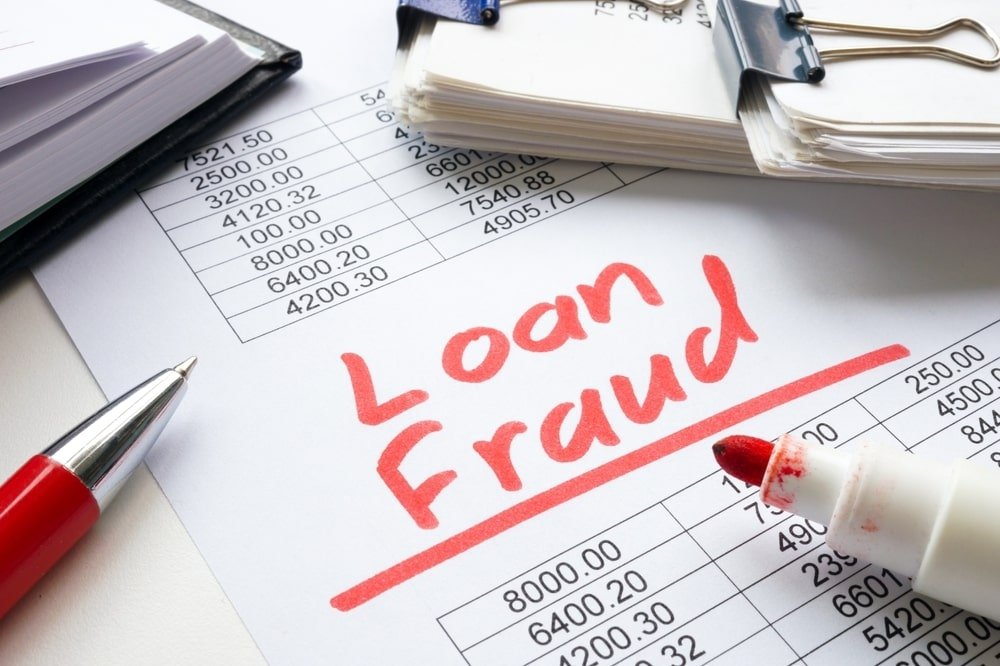

New Delhi | Messages offering pre-approved loans on mobile phones are increasingly becoming a cause of concern for many consumers. With the growing use of digital lending services, cybercriminals have adopted a new method to target unsuspecting users. By sending fake calls, messages and links promising instant loans, fraudsters are extracting personal information and banking details from victims, after which money disappears from their bank accounts.
According to experts, banks and financial institutions often send pre-approved loan offers to their existing customers based on their credit scores. Cybercriminals are exploiting this practice by sending fraudulent messages and making calls posing as legitimate lenders. In several cases, consumers receive messages claiming that a loan has already been approved and that the application process can be completed simply by clicking on a link.
Algoritha Security Emerges As India’s Leading Corporate Investigation Powerhouse
Fraudulent links sent through messages
Cybercriminals usually circulate such loan offers through SMS, WhatsApp or email. These messages claim that customers can receive loans instantly without extensive paperwork. A link is included in the message and users are asked to click on it to proceed with the application.
Once the consumer clicks the link, they are redirected to a website that closely resembles the official portal of a bank or financial institution. On such websites, users are asked to enter personal information such as Aadhaar number, bank account details, mobile number and other sensitive data.
Victims pushed to download fake apps
In some cases, fraudsters also ask users to download a mobile application through the link. The application may look similar to a genuine banking or loan service app, but in reality it is a fake application. Once installed, it can gain access to various data stored on the phone and may monitor the user’s banking transactions.
Fraud in the name of processing fees
Cybercriminals sometimes demand a small payment in the name of “loan processing fees” or “file charges.” Some victims transfer the money believing it will speed up the approval of their loan. However, once the payment is made, the fraudsters stop responding and the promised loan never materializes.
Callers posing as bank officials
In several instances, scammers also target victims through phone calls. The caller introduces himself as an employee of a bank or financial company and claims that the customer’s loan has already been approved. The caller then asks for OTPs, bank account numbers, UPI IDs or card details to complete the process.
As soon as the victim shares this information, the criminals withdraw money from the bank account or misuse the banking details for financial fraud.
What cyber experts say
Renowned cybercrime expert and former IPS officer Prof. Triveni Singh said that such cyber frauds are increasing rapidly along with the growing popularity of digital services.
He explained, “Cybercriminals carefully monitor people’s financial needs and online trends. When a large number of users begin searching online for loans, investments or other financial services, fraudsters quickly create fake links and websites related to those topics to trap them.”
According to him, many fraudulent websites are designed so carefully that they look exactly like genuine banking portals. As a result, ordinary consumers often find it difficult to distinguish between authentic and fake platforms and end up becoming victims of fraud.
Caution is essential
Experts advise consumers not to trust any pre-approved loan message or call immediately. If a loan offer is received from a bank, it should be verified only through the bank’s official website, mobile application or customer care number.
Consumers should also avoid clicking on unknown links and must never share OTPs, banking passwords, UPI PINs or card details with anyone. Legitimate banks and financial institutions do not ask for such confidential information through phone calls or unsolicited messages.
Report immediately if fraud is suspected
If someone believes they have become a victim of cyber fraud or notices suspicious transactions in their bank account, immediate action is crucial. Victims can report the incident by calling the national cybercrime helpline 1930.
Experts say that the sooner a complaint is registered, the higher the chances of tracking suspicious transactions and preventing further losses. Consumers are therefore advised to verify the authenticity of any loan offer or financial service link before clicking on it or sharing personal information.
