
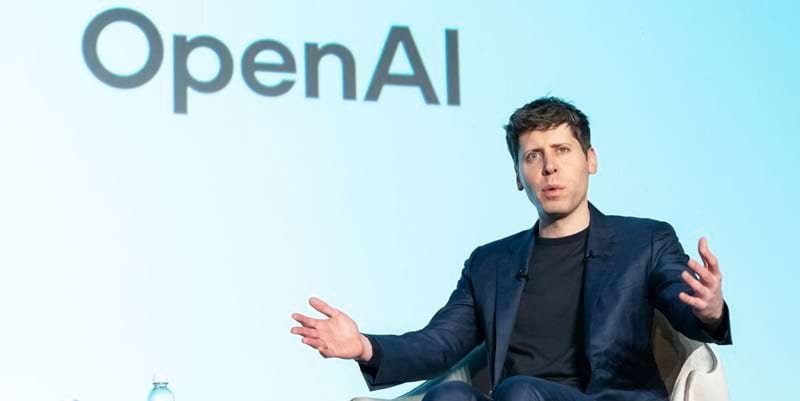
OpenAI has reportedly lost around 1.5 million subscribers in less than 48 hours following backlash over CEO Sam Altman’s decision to enter into a controversial agreement with the U.S. Department of Defense (DoD) to deploy artificial intelligence systems for defence-related projects.
The decision triggered criticism from sections of the tech community and users who raised concerns about the use of AI technology in military operations.
Deal accepted by OpenAI after rival declined
Reports indicate that the Pentagon had approached multiple AI companies for collaboration. While Anthropic, the developer of the Claude AI model, reportedly declined to proceed with the arrangement due to safety and ethical concerns, OpenAI agreed to move forward with the partnership.
The deal allows the U.S. defence establishment to explore the use of OpenAI’s advanced AI systems in classified and strategic environments.
Backlash from users and AI community
The decision quickly sparked online backlash, with users criticising the company for allowing its technology to be used in military applications.
Activist campaigns and social media calls for a boycott of ChatGPT reportedly gained traction, with some users pledging to stop using the platform in protest.
According to reports, the reaction contributed to the sudden drop of approximately 1.5 million paying subscribers within two days.
Internal developments at OpenAI
The controversy also coincided with internal developments within the company. Reports suggested that a senior OpenAI research executive resigned and joined rival AI firm Anthropic shortly after the Pentagon deal became public.
Industry observers say the episode highlights growing tensions within the AI industry regarding ethical boundaries, national security partnerships and the potential military use of artificial intelligence.
Debate over AI and national security
The incident has reignited debates about whether AI companies should collaborate with defence agencies. Supporters argue that such partnerships help governments strengthen national security and maintain technological leadership.
Critics, however, warn that deploying advanced AI systems in military contexts could raise concerns around autonomous weapons, surveillance and ethical governance of artificial intelligence.
As governments worldwide explore the strategic use of AI, the balance between innovation, security and ethical safeguards continues to remain a contentious issue.
About the author – Ayesha Aayat is a law student and contributor covering cybercrime, online frauds, and digital safety concerns. Her writing aims to raise awareness about evolving cyber threats and legal responses.
