

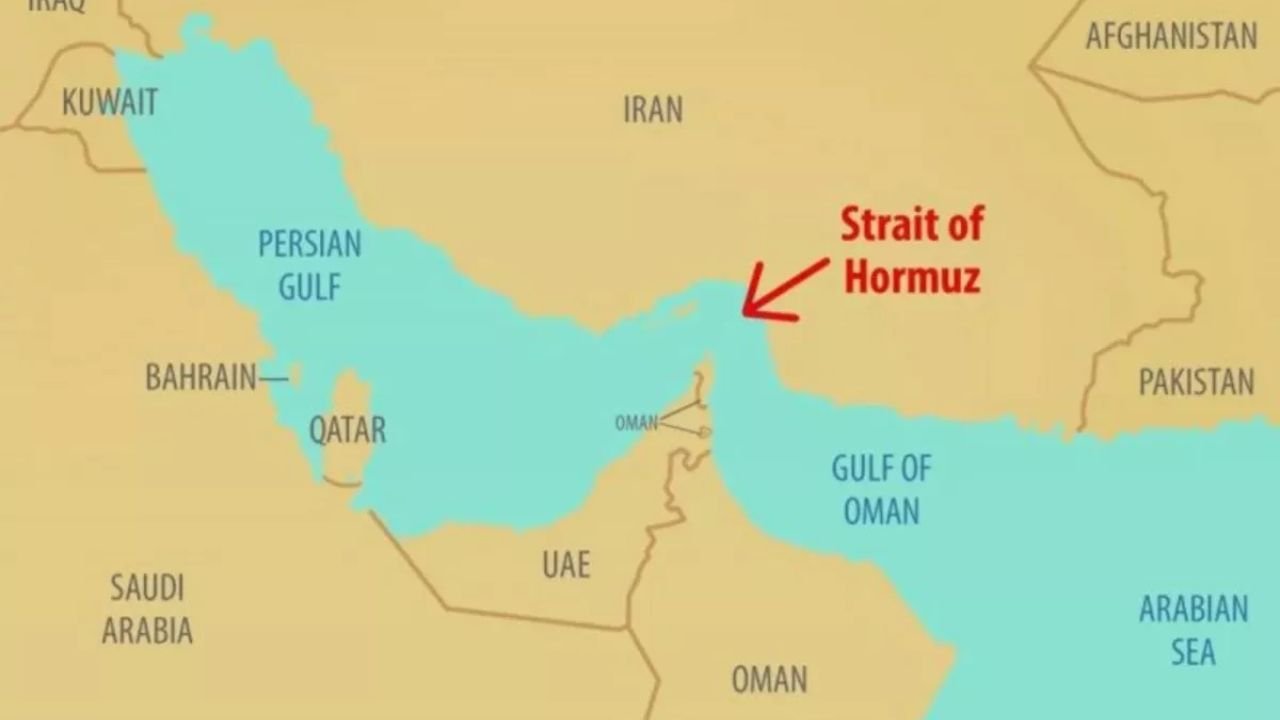

New Delhi | Ongoing tensions in West Asia could pose a serious challenge to India’s economic stability. Global research firm BMI Research has warned that if the Strait of Hormuz is closed, energy supply disruptions could reduce India’s GDP growth by nearly 0.5 percentage points. Experts believe such a situation may adversely affect investment flows and overall trade activity.
According to the report, global uncertainty is likely to increase after March. Due to military tensions in West Asia, international investors may adopt a risk-averse strategy. This could particularly impact emerging economies in South Asia. For import-dependent countries like India, the situation is considered more sensitive.
FCRF Launches Flagship Certified Fraud Investigator (CFI) Program
India meets a large portion of its crude oil demand through imports. Data shows that nearly 88 per cent of crude oil requirements are fulfilled through overseas sources. If maritime routes are disrupted or insurance companies stop covering oil tankers, transportation costs could rise sharply. This may put pressure on domestic petroleum prices and push inflation upward. Experts also believe that rising energy costs could increase industrial production expenses.
The impact of the West Asia conflict will not be limited to the energy sector alone. Potential benefits from global trade agreements may also weaken. Analysts suggest that India’s prospects for expanding trade partnerships with the European Union and the United States could face uncertainty. However, long-term free trade agreements are expected to support export growth.
BMI has projected India’s economic growth rate at around 7 per cent for the financial year 2026-27 but has also warned that geopolitical conditions could lead to revisions in this estimate. The report advises investors to remain cautious and closely monitor global developments.
Security risks in West Asia are also expected to rise following recent events in the region. After military strikes by the United States and its allies in February, regional tensions have escalated. Subsequent missile and drone attacks have influenced the global energy market. Concerns over safety have also been reported in major business cities of the Gulf region.
Experts say that if the Hormuz waterway remains blocked for a prolonged period, it could disrupt the international oil supply chain significantly. This may lead to a sharp rise in global crude oil prices. Some analysts fear that if instability continues, oil prices may even cross the $100 per barrel mark.
Indian policymakers are closely monitoring the global situation. Discussions are underway to diversify energy sources and strengthen alternative supply arrangements. Experts suggest that increasing strategic oil storage capacity and expanding import sources will be essential to address future challenges.
Overall, the geopolitical crisis in West Asia may emerge as a major test for the Indian economy. Investment, trade, energy security, and inflation management will require careful and balanced policy responses. The coming months are expected to play a crucial role in shaping India’s economic direction amid global uncertainty.
