

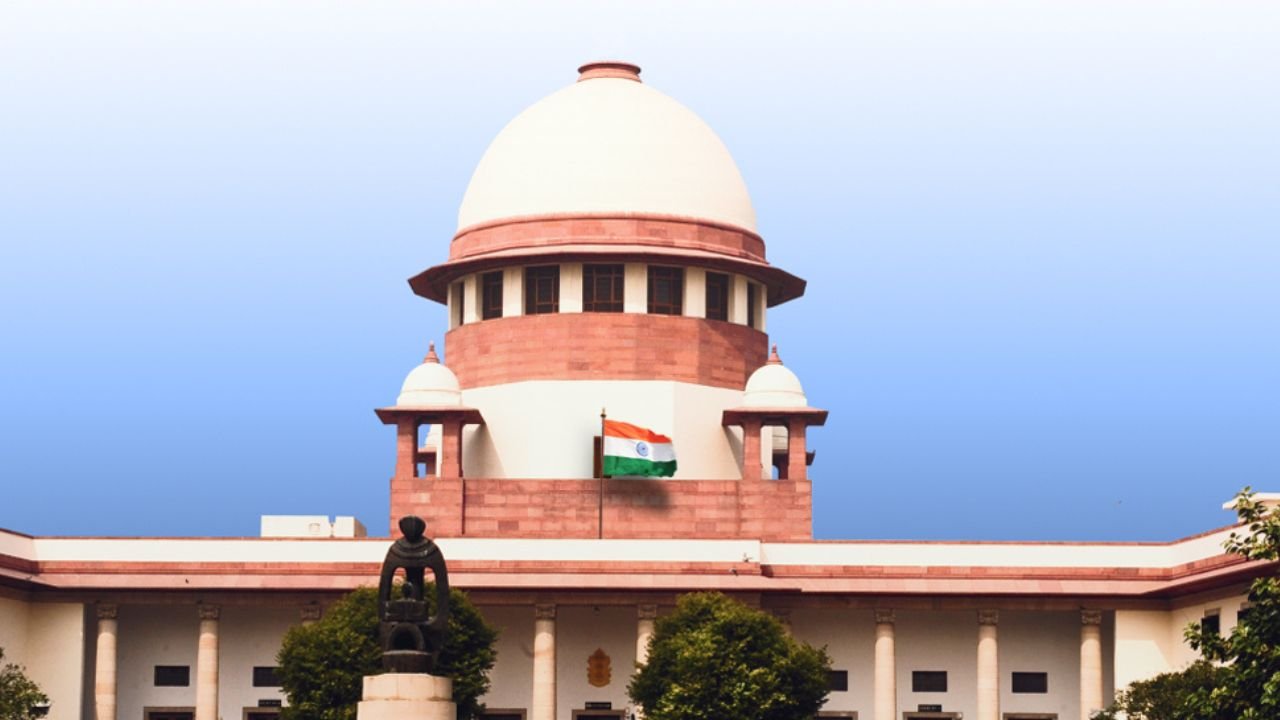

New Delhi: The Supreme Court has taken a stern view of the alleged use of artificial intelligence-generated fake judgments in judicial proceedings, warning that reliance on non-existent rulings could amount not only to a legal error but, in certain circumstances, judicial misconduct.
The strong observations came during the hearing of a petition challenging a decision of the Andhra Pradesh High Court. While examining the records, the Bench noted that certain precedents cited by a trial court in its order appeared to be non-existent and were allegedly generated through an AI-based tool. The development prompted serious concern within the court.
FCRF Launches Flagship Certified Fraud Investigator (CFI) Program
The Bench observed that judicial orders must rest on verified facts, evidence, and authentic legal precedents. If a court cites judgments that do not exist in law reports or official databases, it undermines the credibility of the justice delivery system. The judges remarked that the use of fabricated or artificially generated decisions directly affects the fairness and integrity of judicial proceedings.
Questions Over Fairness and Due Process
During the proceedings, the court emphasized that the judicial process cannot be reduced to mechanical reproduction of material sourced from unverified digital platforms. Judges bear the responsibility of ensuring that every authority cited in an order is genuine and relevant to the matter at hand. Any lapse in verifying legal precedents could have far-reaching consequences for litigants and the justice system alike.
The Bench made it clear that such conduct, if established, would not be treated lightly. Passing orders based on non-existent authorities may invite legal consequences and could fall within the scope of misconduct. The court underscored that technological convenience cannot replace judicial scrutiny and independent application of mind.
Institutional Concern Beyond Individual Case
The Supreme Court clarified that the issue extends beyond the merits of the individual dispute under consideration. It touches upon a deeper institutional concern—how emerging technologies are being used within the judicial ecosystem.
With AI tools increasingly being accessed for legal research and drafting assistance, the court indicated that clear boundaries must be drawn. Technology can serve as an aid, but it cannot substitute due diligence. Any automated output must be independently verified before being relied upon in judicial reasoning.
The judges observed that unchecked dependence on AI-generated content may create systemic risks. Erroneous or fabricated references, if incorporated into judicial orders, could distort legal records and set problematic precedents. Such developments would erode public confidence in the judiciary.
Notice to Top Law Officers
Recognising the wider implications, the Supreme Court issued notice to the Attorney General and the Solicitor General, seeking their assistance on the broader legal and institutional framework governing the use of AI in courts. The Bench indicated that it may consider laying down guidelines to regulate how technological tools should be used in judicial functions.
The court wants clarity on safeguards, verification protocols, and accountability mechanisms to prevent misuse or over-reliance on AI platforms in legal proceedings. The matter is expected to trigger a comprehensive debate on balancing innovation with judicial responsibility.
Wider Implications for the Legal Community
Legal experts note that while digital research platforms and AI tools have improved efficiency in drafting and case law retrieval, they also carry inherent risks if used without proper validation. Courts across jurisdictions have faced instances where AI tools produced incorrect or entirely fictitious case citations.
The Supreme Court’s intervention signals that the Indian judiciary is alert to these emerging challenges. The emphasis, observers say, is not on rejecting technology but on ensuring that its use aligns with established judicial standards.
Next Hearing Crucial
The matter will be taken up for further hearing after responses from the top law officers. Depending on the findings, the court may examine whether disciplinary action is warranted and whether structured guidelines should be framed.
The message from the apex court is unambiguous: the credibility of judicial decisions rests on authenticity, verification, and accountability. In an era of rapid technological change, those foundational principles cannot be compromised.
