

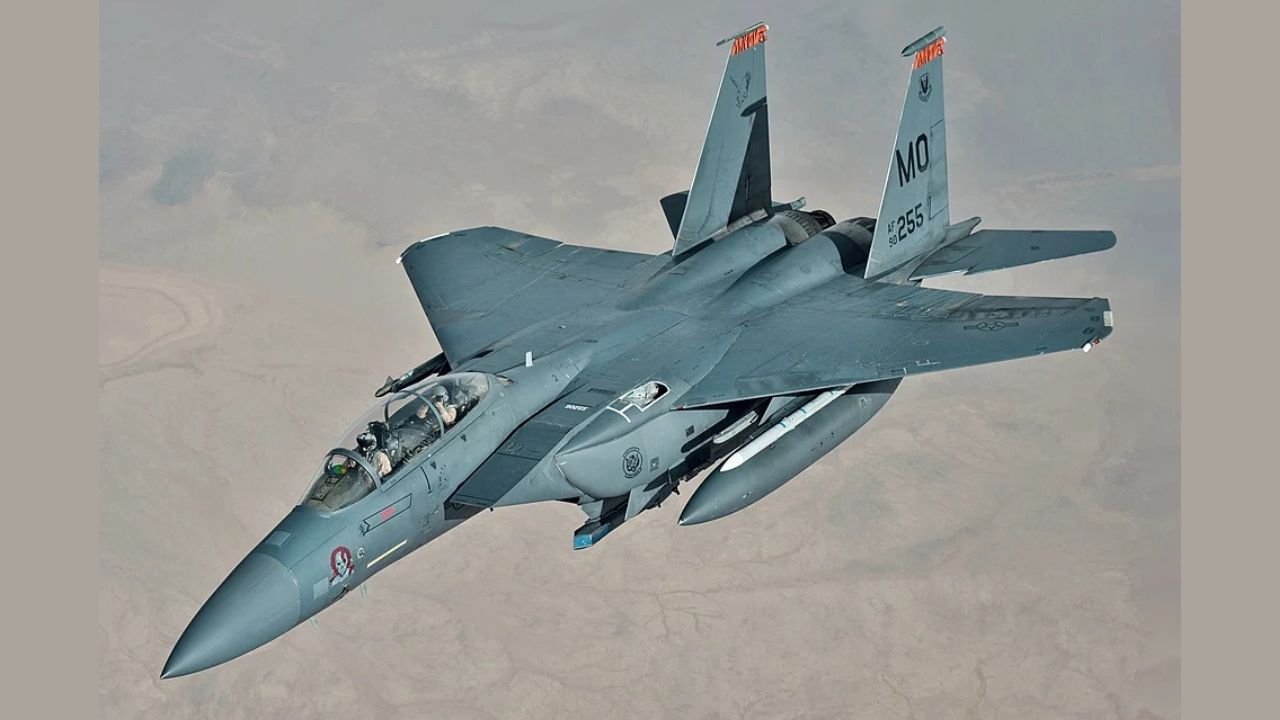

New Delhi | Three United States F-15E Strike Eagle fighter jets were reportedly downed in a friendly fire incident over Kuwait during an ongoing military operation in the Middle East, according to military officials. The accident occurred on the night of March 1 while the aircraft were flying in support of the operation code-named Epic Fury. Authorities confirmed that all six aircrew members survived the incident and are in stable medical condition.
The United States Central Command shared information about the event on social media platform X. According to the statement, three F-15E Strike Eagle aircraft of the United States Air Force were involved in the friendly fire episode at approximately 11:03 p.m. Eastern Time on March 1 while operating over the airspace of Kuwait.
FCRF Launches Flagship Certified Fraud Investigator (CFI) Program
Following the incident, emergency search and rescue operations were immediately launched. The aircrew members were safely recovered from the crash site and were provided with medical evaluation and necessary treatment. Military officials said there was no report of life-threatening injuries and that the condition of all rescued personnel remained stable.
Reports indicate that Kuwaiti defence units also acknowledged the possibility of an operational error leading to the accident. Authorities in Kuwait stated that the incident may have occurred due to identification confusion during the mission. Military agencies of both United States and Kuwait have launched a joint probe to determine the technical and operational causes of the friendly fire event.
The United States military expressed appreciation for Kuwait’s cooperation in the ongoing security campaign, emphasising the importance of regional partnership in maintaining operational effectiveness. Officials stated that the objective of the current campaign is to weaken strategic military infrastructure and target specific installations in the region, though details of operational targets remain under review.
Military sources claimed that since the launch of the campaign, the United States forces have allegedly conducted strikes on more than one thousand locations linked to Iranian military and security assets. The reported targets include command and control centres, integrated air defence systems, ballistic missile facilities, naval assets including submarines and vessels, as well as military communication networks.
The incident has triggered international concern amid the already tense security environment in the Middle East. Several countries have urged restraint and called for diplomatic dialogue to resolve the escalating conflict, warning that prolonged military confrontation could threaten global stability. Defence analysts noted that modern aerial warfare relies heavily on integrated communication and identification systems to avoid operational miscalculations.
US military officials stated that a detailed technical investigation is underway to determine the exact cause of the crash. Radar tracking records, communication logs and mission coordination data are being examined as part of the inquiry. Authorities have also reportedly strengthened safety protocols for other aircraft participating in the operation.
Security experts believe that even minor coordination failures during combat operations can lead to significant strategic and human losses. The friendly fire incident has renewed discussion on the need for improved battlefield identification technology, secure communication channels and real-time monitoring systems in modern warfare.
With geopolitical tensions continuing across the Middle East, the incident is being viewed as a reminder of the risks associated with large-scale military operations in densely monitored airspaces. Officials from the United States and Kuwait have reiterated their commitment to completing the investigation and implementing additional safeguards to prevent similar occurrences in the future.
