
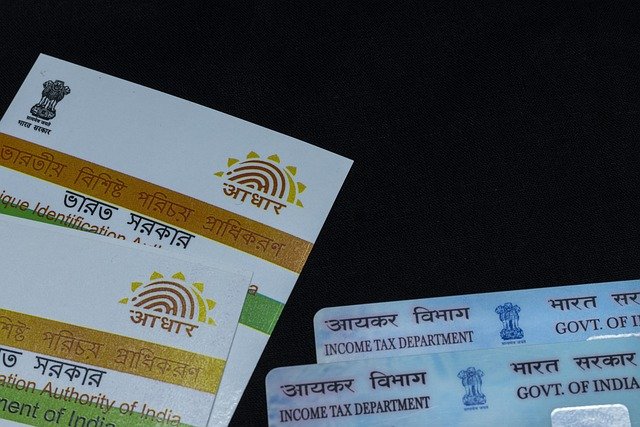
A potter in Uttar Pradesh’s Raebareli district, who earns his livelihood by selling ₹2 clay cups and small earthen items, has been left stunned after receiving a Goods and Services Tax (GST) notice of ₹1.25 crore. Mohammad Saeed, a resident of the Harchandpur area, claims he has never operated any company or large-scale business and suspects that his Aadhaar and PAN details were misused to float a fake firm in his name.
After the notice reached him, Saeed and his family approached local authorities, asserting that they have no connection with the company mentioned in the document. “We sell a few dozen clay cups and small pots every day. We have never even imagined doing business worth crores. If my documents have been misused, there must be a proper investigation,” Saeed said.
Certified Cyber Crime Investigator Course Launched by Centre for Police Technology
Fraudulent GST Registration Exposed
According to the notice, substantial tax liabilities have been shown against a firm allegedly registered in his name. The family maintains that they were never informed about any GST registration or commercial activity linked to Saeed. He has categorically stated that he never authorised anyone to use his documents for business purposes.
Local sources indicate that preliminary suspicions point towards fraudulent GST registration carried out using identity documents. In recent years, several such cases have surfaced across the country, where Aadhaar and PAN details were misused to create shell companies and generate fake invoices to claim input tax credit.
Family’s Plea and Legal Remedies
The family has urged the administration to conduct a detailed cyber and financial investigation to identify those responsible. They have also appealed for a stay on any coercive action until the probe is completed, citing their limited financial capacity to fight a prolonged legal battle.
Legal experts say that if a GST registration has been fraudulently obtained using someone’s identity documents, the affected person can file an objection with the department and seek cancellation of the registration. In such cases, verification of identity records, bank account details and digital signatures becomes crucial. Experts advise victims to immediately submit a written complaint clarifying that they have no association with the alleged business activities.
Investigation Underway and Broader Concerns
Local administrative officials have indicated that a preliminary inquiry is underway. If misuse of documents is confirmed, appropriate legal action will be initiated against those found guilty.
Residents of the village say Saeed’s family has been engaged in traditional pottery for years, earning a modest income through daily sales in local markets. Neighbours have appealed to authorities to handle the matter with sensitivity, given the family’s socio-economic background.
The incident has once again raised concerns over the safety of identity documents and the monitoring of GST registrations. Experts believe that in an era of digital transactions and online registrations, stricter Know Your Customer (KYC) verification mechanisms are essential to prevent misuse of documents belonging to economically vulnerable individuals.
For now, Mohammad Saeed and his family await the outcome of the investigation. “We only want the truth to come out,” he said, hoping to be relieved of a liability he insists has nothing to do with him.
About the author – Ayesha Aayat is a law student and contributor covering cybercrime, online frauds, and digital safety concerns. Her writing aims to raise awareness about evolving cyber threats and legal responses.
