
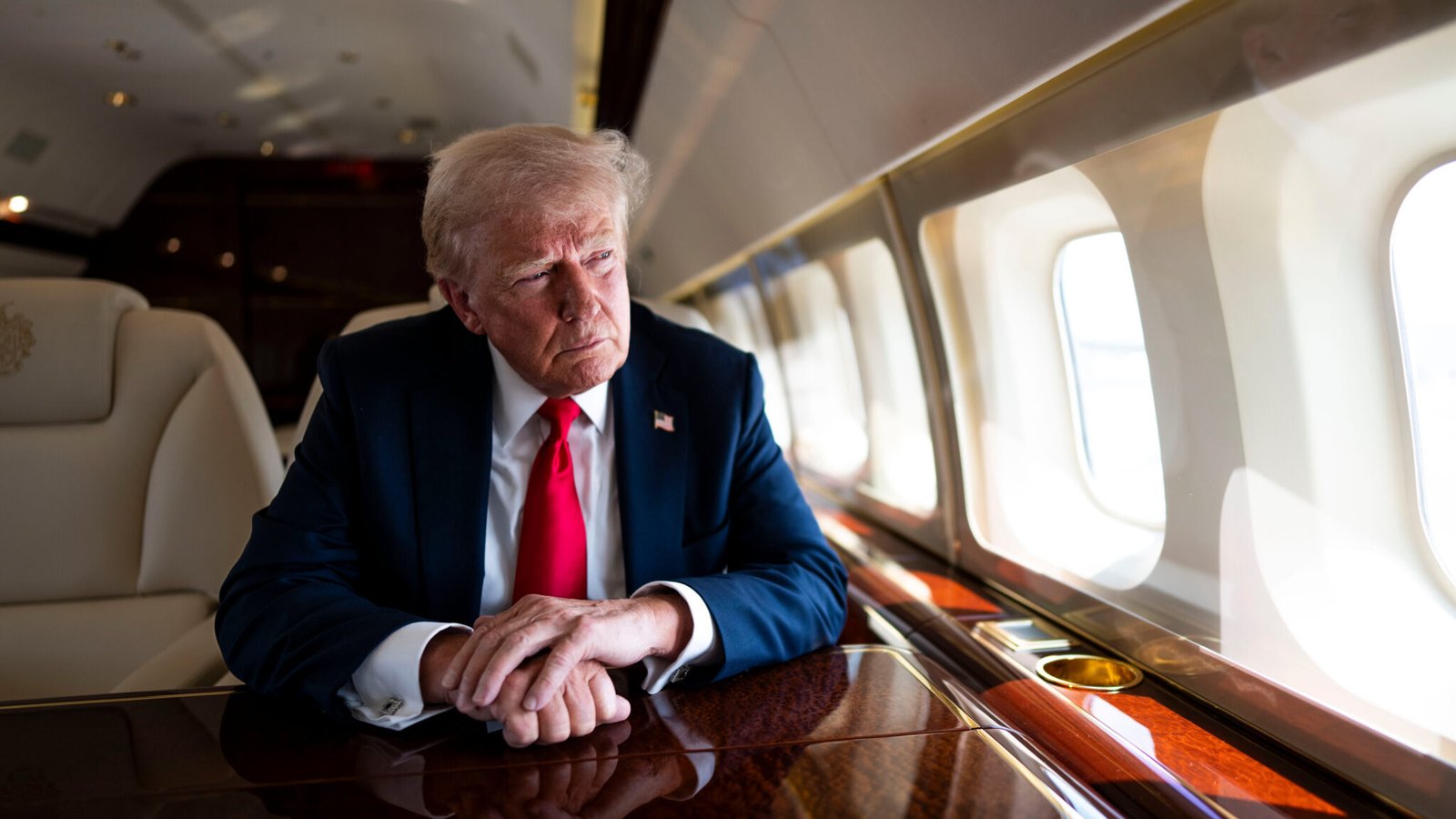
A legal battle brought by a small U.S. toymaker has delivered a major blow to former President Donald Trump’s tariff policy, with the U.S. Supreme Court ruling that the sweeping import duties imposed under the International Emergency Economic Powers Act (IEEPA) exceeded presidential authority and must be struck down. The decision, which may open the door for billions of dollars in tariff refunds to importers, stems from a lawsuit led in part by Illinois-based educational toy company Learning Resources and its sister firm hand2mind, whose legal challenge captured national attention.
Toy Company Takes on Trade Policy
Learning Resources, a family-owned business headquartered in Vernon Hills, Illinois, was among the first plaintiffs to file suit shortly after Trump announced a drastic expansion of tariffs that hit everyday importers. The company imports most of its educational toys — many manufactured in China — and argued that the tariff regime, justified under emergency powers, would seriously damage its operations and finances.
In 2025, the company reportedly faced duty bills that climbed well into the millions of dollars, sharply increasing the cost of goods and forcing operational adjustments, including scaling back expansion plans. Executives argued that relocating complex manufacturing infrastructure from established overseas facilities to the U.S. would be prohibitively expensive and impractical.
Certified Cyber Crime Investigator Course Launched by Centre for Police Technology
Supreme Court Ruling And Rationale
On February 20, 2026, the U.S. Supreme Court ruled 6-3 that the IEEPA — the statutory authority cited by Trump to impose the tariffs — does not grant presidents the power to unilaterally levy import duties. The majority opinion, authored by Chief Justice John Roberts, underscored that tariff authority rests with the U.S. Congress, not the executive branch, unless explicitly granted by law.
The decision marked a significant rebuke to the administration’s expansive interpretation of emergency powers. By drawing a clear line between taxation authority and emergency economic actions, the court effectively halted the tariff framework that had been applied to imports from countries including China, Canada and Mexico.
Potential Refunds And Economic Impact
Although the court did not provide details on how or when tariffs already collected might be returned, the ruling could entitle businesses like Learning Resources and others that paid into the controversial system to seek refunds amounting to billions of dollars. Researchers and trade groups suggest that hundreds of billions in tariff revenue collected since 2025 could be subject to repayment, pending further legal and administrative proceedings.
For small import-dependent companies — which make up a large portion of the U.S. importer base — the decision has relieved immediate uncertainty and preserved operational viability. Public statements from Learning Resources’ leadership emphasised that the lawsuit was about unlawful taxation, not political ideology, and expressed hope that the ruling would allow businesses to focus back on innovation and growth.
Broader Trade Policy Implications
The ruling is likely to reverberate through U.S. trade policy, underscoring the constitutional separation of powers in tariff setting and potentially restraining future executive attempts to use emergency authorities for broad economic measures. Meanwhile, political leaders and trade lawyers are watching closely as the administration considers whether to pursue alternative legislative avenues to impose similar duties in the future.
About the author – Ayesha Aayat is a law student and contributor covering cybercrime, online frauds, and digital safety concerns. Her writing aims to raise awareness about evolving cyber threats and legal responses.
