

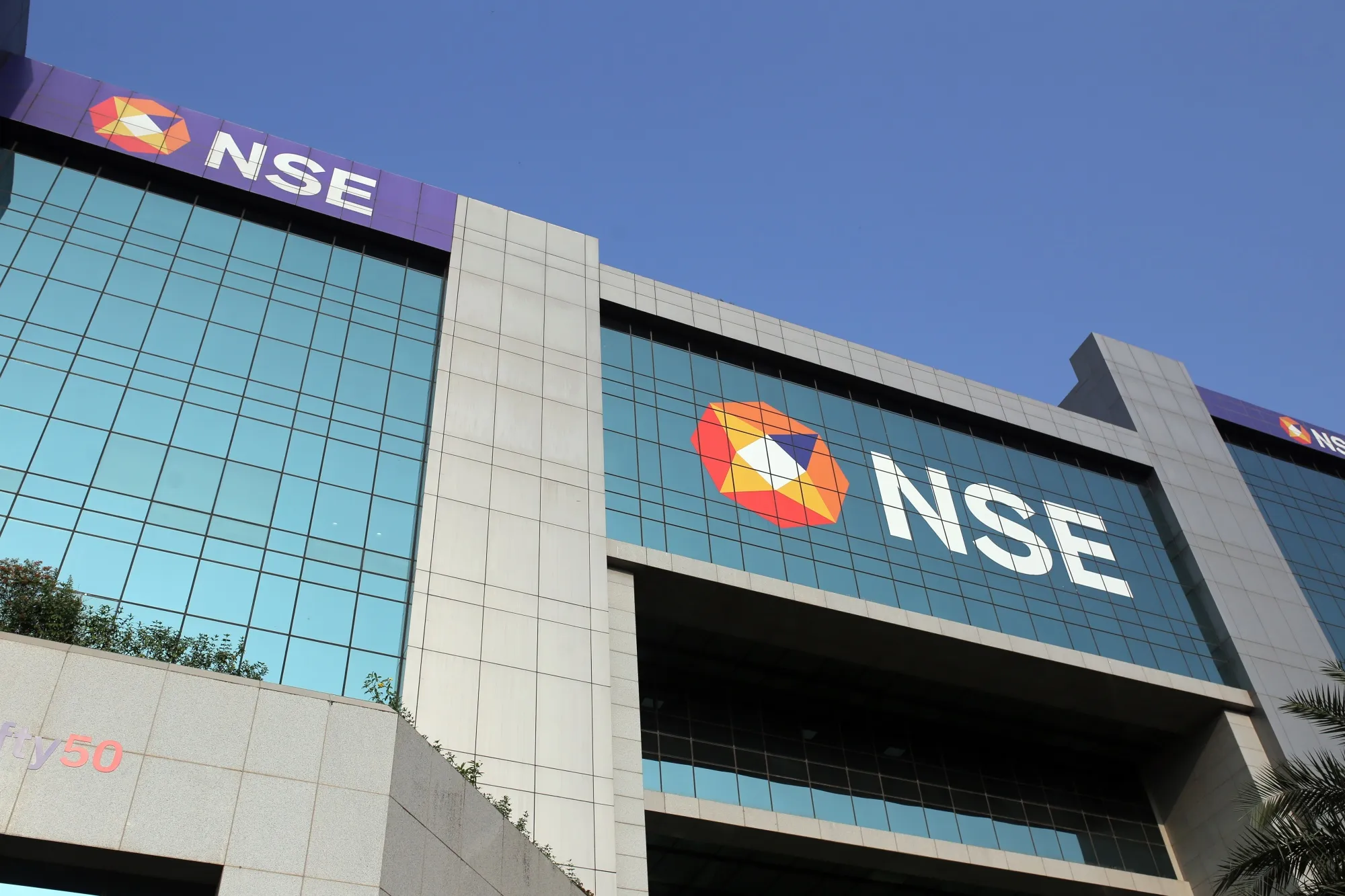

Mumbai: India’s capital markets are set for a major technological transformation as the National Stock Exchange (NSE) prepares to upgrade its trading infrastructure to nanosecond-level response times from April 11. The move is expected to make order matching and trade execution nearly 1000 times faster than the current system, significantly enhancing the exchange’s ability to handle surging market volumes.
At present, NSE operates with a response time of about 100 microseconds and can process roughly 5 to 6 million transactions per second. Following the upgrade, its processing capacity will rise to nearly 100 million transactions per second. According to the exchange, the sharp reduction in latency will enable near real-time market response and improve price discovery efficiency.
Certified Cyber Crime Investigator Course Launched by Centre for Police Technology
A nanosecond is one-billionth of a second, compared with a microsecond, which is one-millionth. Achieving execution at this scale places NSE alongside some of the world’s most technologically advanced exchanges. Market participants say the biggest beneficiaries will be institutional investors and algorithmic traders, for whom even microsecond advantages can influence trading outcomes.
Alongside the speed upgrade, NSE is expanding its colocation infrastructure. The exchange currently operates around 2,000 racks in its data centres and plans to scale this up to about 4,500. Colocation allows trading members to place their servers in close proximity to the exchange’s systems, minimising delays in receiving market data and sending orders. The faster architecture is expected to drive higher activity from high-frequency trading firms.
The exchange is also encouraging the adoption of artificial intelligence-based technology solutions to help vendors build more efficient and cost-effective trading platforms. In parallel, NSE is preparing to introduce new products, including electricity futures, gold futures and contracts for difference (CFDs). Regulatory approval has already been received for 10-gram gold futures, which could broaden participation among smaller investors due to lower capital requirements.
However, the move toward ultra-high-speed trading brings heightened risk. NSE has cautioned brokers and technology partners to prioritise cyber security, noting that any technical failure or cyberattack at such scale could disrupt the entire market. Strong firewalls, real-time monitoring systems and robust fail-safe mechanisms have been identified as essential safeguards.
Market experts believe the upgrade will strengthen India’s competitiveness in global trading technology and make domestic markets more attractive to foreign investors. At the same time, they stress the need for tighter regulatory oversight, enhanced risk controls and safeguards around algorithmic trading to ensure market fairness and stability.
With trading volumes rising rapidly and retail participation at record levels, the shift to nanosecond execution is being viewed as a potential game-changer. The key challenge will be ensuring that the high-speed infrastructure delivers efficiency gains without compromising transparency, resilience or investor protection.
Follow for daily updates on cybercrime, corporate fraud, DFIR, hacking, investigations, and digital forensics
