


New Delhi: In a major move to strengthen transparency and accountability in public procurement, the Indian Railways has directed all its zones and production units to conduct stringent scrutiny of high-value tenders. The Railway Board has made it clear that any suspicion of cartelization, bid rigging, collusive pricing, or compromise on quality in major contracts must invite immediate action.
According to sources, the latest directive places high-expenditure contracts in the engineering, electrical, signaling & telecommunications, and mechanical departments under enhanced vigilance oversight. The emphasis is on preventive vigilance—aimed at detecting and addressing irregularities at an early stage and eliminating systemic weaknesses before they escalate.
Moving Beyond Routine Checks: Technical Evaluation Now Mandatory
Under the new 2026 vigilance framework, routine procedural compliance will no longer suffice. Vigilance teams have been instructed to conduct in-depth technical assessments of critical components such as high-grade concrete, signaling cables, foundations of overhead equipment, and other safety-sensitive infrastructure elements.
A senior official noted that while earlier scrutiny focused largely on procedural adherence, the new approach prioritizes identifying potential technical failure points. The objective is to ensure that no compromise on construction or supply quality leads to operational risks in the future.
The Board has also mandated compulsory testing of supplied materials. Departments must certify that adequate steps have been taken to prevent bid cartels and ensure fair competition in procurement processes.
Certified Cyber Crime Investigator Course Launched by Centre for Police Technology
Service Contracts Also Under Scanner
The tightened monitoring framework extends beyond infrastructure works. Service contracts—including parking, On-Board Housekeeping Services (OBHS), and mechanized cleaning—will also face stricter scrutiny. With growing private participation in these segments, ensuring a transparent and competitive bidding environment has become a key priority.
Officials clarified that the initiative is not limited to punitive action but forms part of a broader strategy to bring long-term structural reforms to the procurement system. Contracts showing signs of repetitive awards or limited competition will be subject to special review.
Sharper Oversight of E-Procurement Platform
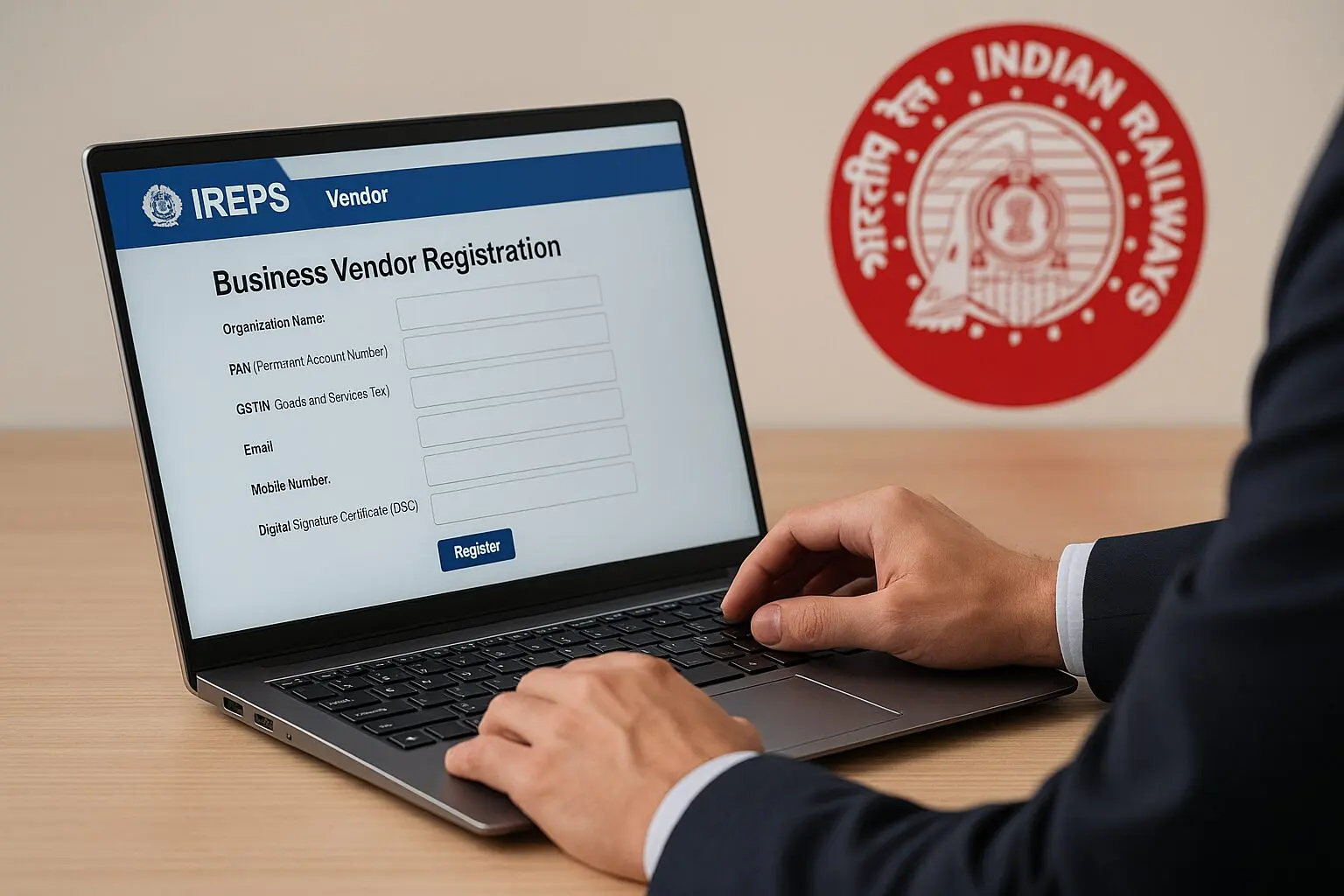
To further enhance transparency, the Board has directed closer monitoring of tender finalization through the Indian Railway E-Procurement System (IREPS). The digital platform is expected to minimize human intervention and reduce opportunities for manipulation.
Data available on IREPS—including digital audit trails, bid histories, and automated documentation—will be analyzed to detect patterns indicative of collusion or coordinated pricing. Vigilance officials have been specifically asked to flag red signals such as identical bid rates, rotational winning patterns, and restricted participation.
Background: Growing Scrutiny of Cartelization
Cartelization in public procurement has been under regulatory scrutiny in recent years. Official data show that the Competition Commission of India (CCI) investigated 35 cartelization cases between FY20 and FY25, with the railway sector featuring among them.
In June 2022, seven companies were found guilty in a case involving the supply of protective tubes in railway tenders. Subsequently, in October 2022, final orders were issued against eight companies accused of forming a cartel in the supply of axle bearings to Eastern Railway. These cases underscored the need for stronger vigilance mechanisms in railway procurement.
Focus on Preventive Vigilance
Senior officials emphasized that the new strategy aims to prevent irregularities rather than react after a scandal surfaces. Through rigorous technical scrutiny of high-value contracts, mandatory material testing, and enhanced digital monitoring, the Railways seeks to safeguard public funds and ensure asset quality.
With thousands of tenders issued annually, the latest directive signals a comprehensive reform push within Indian Railways. The Board believes that institutionalizing transparency and dismantling tender cartels will not only boost competition but also improve project quality and timely execution.
Follow for daily updates on cybercrime, corporate fraud, DFIR, hacking, investigations, and digital forensics
