
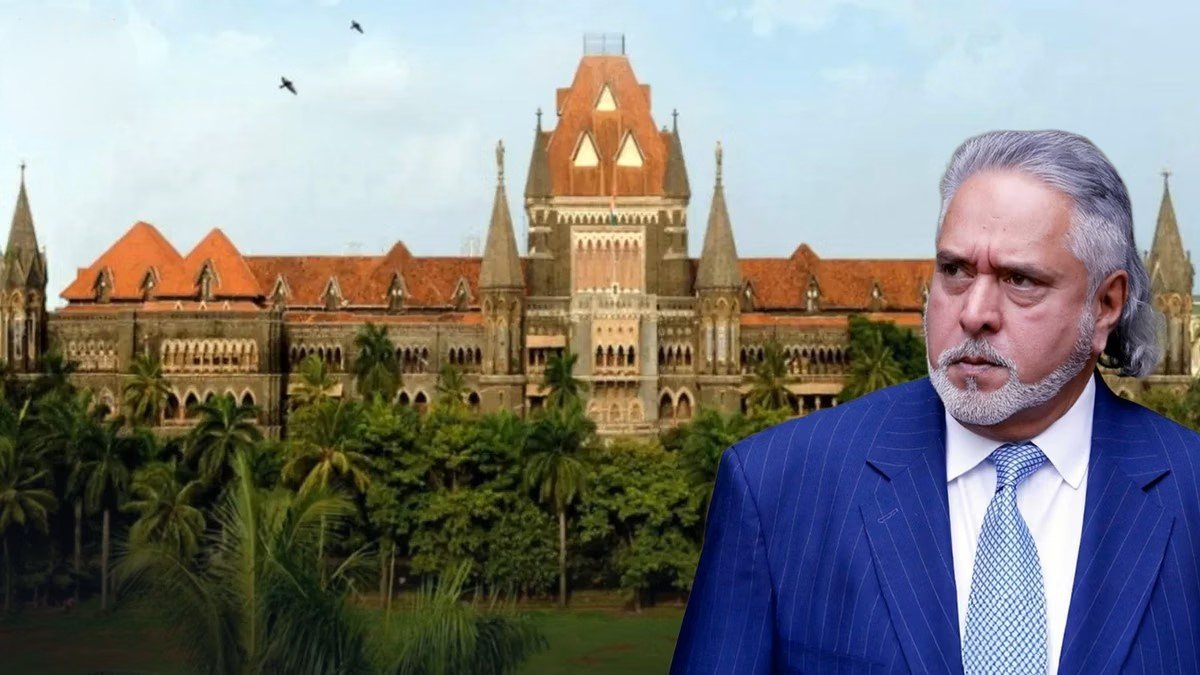
Embattled businessman Vijay Mallya has told the Bombay High Court that he is unable to indicate any timeline for returning to India, citing binding legal proceedings in the United Kingdom and the cancellation of his Indian passport.
In an affidavit filed before the court, Mallya said he remains subject to judicial processes overseas that restrict his movement outside the UK. He also argued that the revocation of his passport has left him without valid travel documents, making it legally impossible for him to enter India even if he wished to do so.
Certified Cyber Crime Investigator Course Launched by Centre for Police Technology
The submission forms part of Mallya’s challenge to his declaration as a fugitive economic offender under the Fugitive Economic Offenders Act. His petition is currently under consideration by the High Court, which is examining whether the designation was legally sustainable and whether due process was followed.
Mallya has contested the fugitive tag, maintaining that he has not deliberately evaded Indian courts. He told the court that his continued stay abroad is the direct result of ongoing legal proceedings, including matters linked to extradition. He further claimed that Indian authorities were aware of his whereabouts at all times and that his departure from India occurred before criminal cases were initiated against him.
In his plea, Mallya has also questioned the constitutional validity of certain provisions of the law, arguing that they violate principles of natural justice. According to his submission, the statute attaches serious civil consequences to the declaration while curtailing legal remedies available to the affected individual.
The case stems from alleged loan defaults linked to the now-defunct Kingfisher Airlines, with Indian enforcement agencies pursuing recovery proceedings and criminal action. The fugitive economic offender framework allows authorities to attach and confiscate properties of individuals accused of major financial offences who are said to be avoiding Indian jurisdiction.
Legal observers say the High Court’s examination is likely to go beyond Mallya’s personal case, potentially setting a precedent on how the Fugitive Economic Offenders Act is applied in situations where accused persons claim they are unable to return due to parallel legal proceedings abroad.
During earlier hearings, Mallya’s counsel had argued that the law should not be invoked mechanically and that courts must consider whether an individual’s absence from India is voluntary or constrained by foreign judicial processes. The defence has also maintained that branding him a fugitive overlooks the fact that he continues to participate in legal proceedings through his lawyers.
On the other hand, investigative agencies have consistently maintained that Mallya owes thousands of crores to Indian banks and that his prolonged stay overseas has delayed recovery efforts. They argue that the fugitive declaration is a crucial tool to prevent economic offenders from shielding assets while remaining outside Indian jurisdiction.
The High Court is now assessing whether procedural safeguards were adequately followed before declaring Mallya a fugitive economic offender and whether his claims regarding passport revocation and UK court restrictions merit legal relief.
The matter has been adjourned for further hearing, with both sides expected to place additional documents on record. The outcome is being closely watched, as it could influence future cases involving high-profile economic offenders who challenge their ability to return to India due to ongoing litigation abroad.
About the author – Ayesha Aayat is a law student and contributor covering cybercrime, online frauds, and digital safety concerns. Her writing aims to raise awareness about evolving cyber threats and legal responses.
