

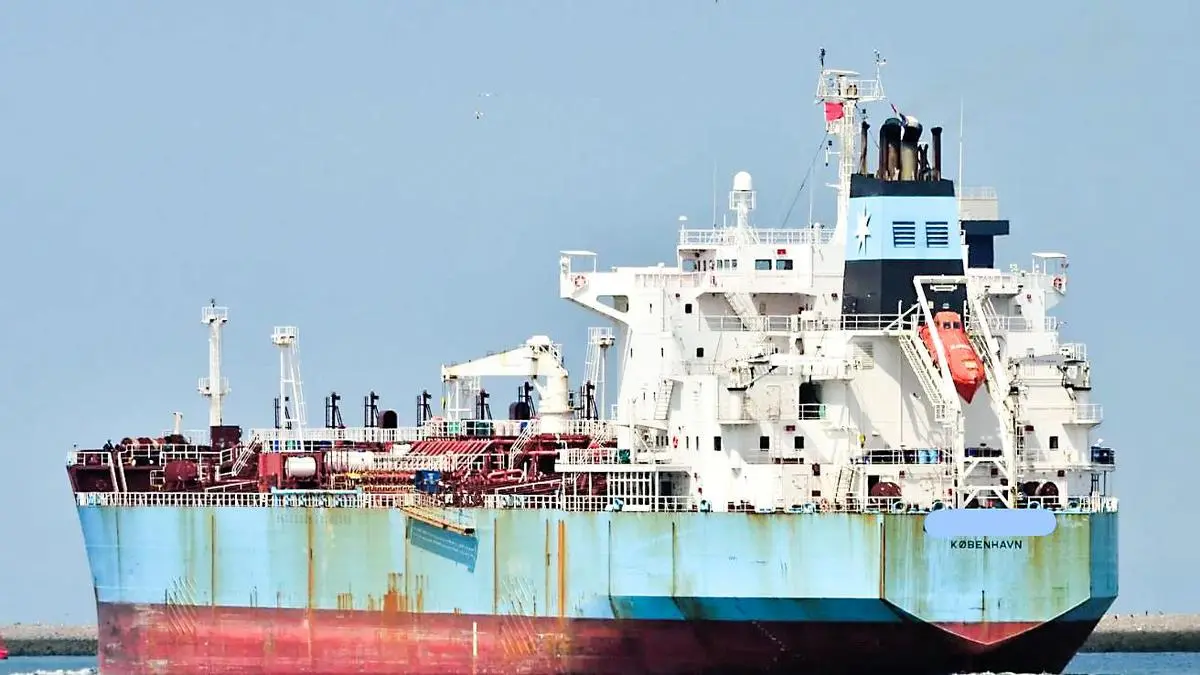

New Delhi: In a significant move against illicit maritime oil trade, the Indian Coast Guard has seized three oil tankers linked to Iran and falling under U.S. sanctions. The vessels were intercepted about 100 nautical miles west of Mumbai, underscoring India’s intensified monitoring of suspicious shipping activity, particularly so-called “dark shipping” and covert ship-to-ship (STS) transfers.
Interception in India’s Maritime Zone
Sources indicated that the tankers were allegedly being used to transfer oil between vessels at sea in order to obscure the cargo’s true origin. Such operations are widely regarded as a common method to bypass international sanctions, with ships often switching off their transponders, manipulating identification data, or altering routes to avoid detection.
Certified Cyber Crime Investigator Course Launched by Centre for Police Technology
Surveillance Intensified Across Sea Lanes
In recent months, India has strengthened surveillance across its Exclusive Economic Zone and coastal waters. The Coast Guard, Navy and other maritime agencies have been directed to maintain real-time monitoring of high-risk vessels. Satellite tracking, aerial and sea patrols, and intelligence coordination are being used to flag discrepancies in vessel movement patterns and cargo documentation.
Officials view preventing Indian waters from being used for illegal STS transfers as strategically critical. As a major energy importer, India places high priority on the security of sea lanes and compliance with international regulatory frameworks. Vigilance in sanctions-related cases is also seen as diplomatically important amid heightened global scrutiny of Iran-linked oil movements.
Documentation and Digital Trail Under Scrutiny
Investigative agencies are now examining the seized tankers’ documentation, cargo manifests, Automatic Identification System (AIS) histories and satellite movement data. The focus is on determining whether Indian maritime zones were used to facilitate illicit transfers and whether there was deliberate concealment of oil origin.
Maritime experts note a rise in “dark shipping” across the Indian Ocean region, with vessels disabling tracking systems to mask routes and cargo exchanges. In such cases, multi-agency intelligence sharing, global shipping databases and satellite imagery play a crucial role in detection and enforcement.
Diplomatic and Strategic Implications
Authorities have not yet publicly disclosed the names of the vessels or detailed the legal proceedings ahead. It is expected that, upon completion of the probe, relevant information may be shared with international partners and regulatory bodies.
The action signals India’s proactive stance in preventing its maritime domain from being exploited for sanctions evasion. Surveillance of high-risk vessels is likely to tighten further, as authorities seek to curb illegal oil trade and opaque maritime transactions in the region.
