
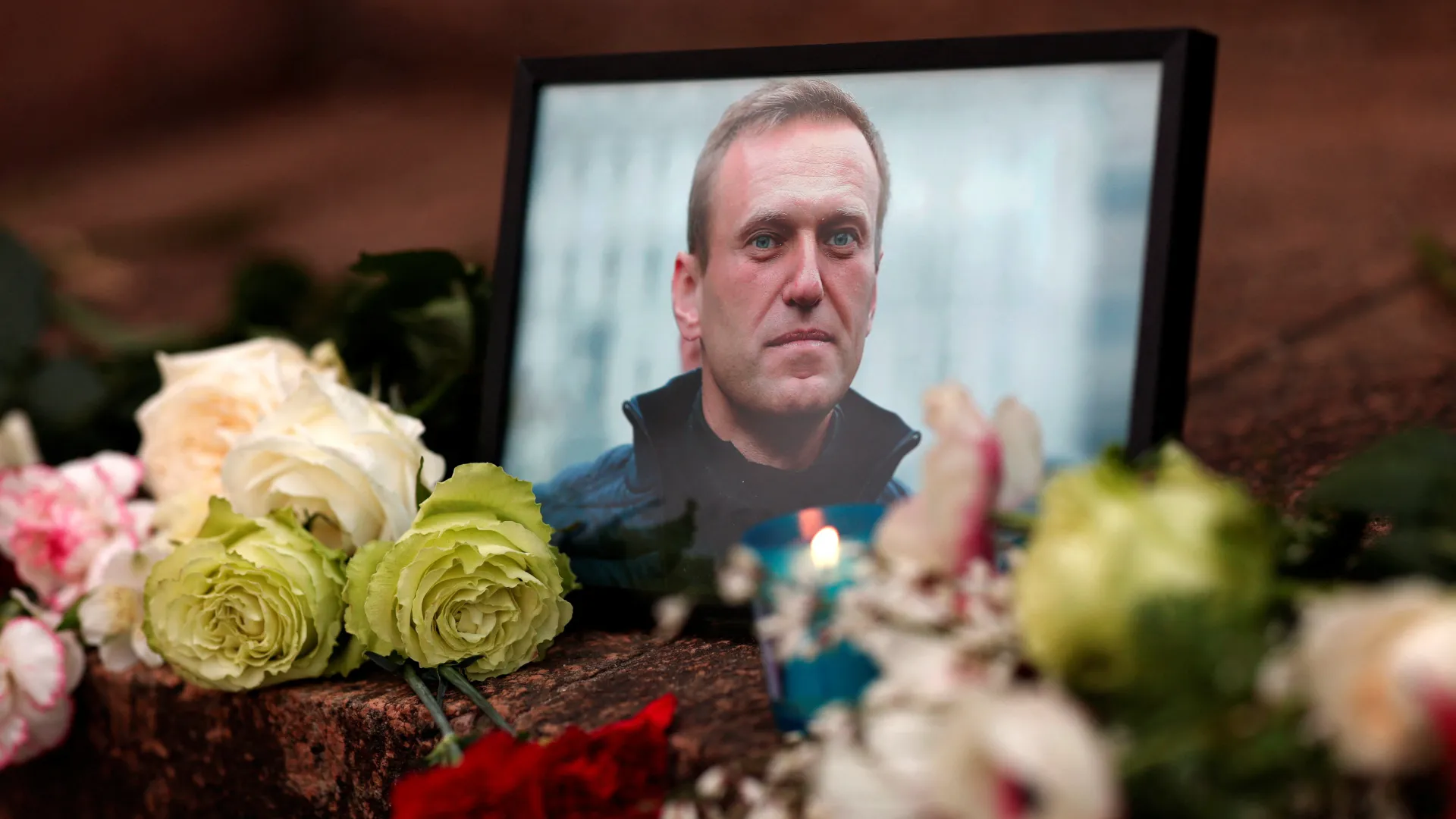
The United States has said it is “not disputing” a joint European assessment that concluded Russian opposition leader Alexei Navalny was fatally poisoned, even though Washington has not formally signed on to the report.
Speaking at a press conference in Bratislava, US Secretary of State Marco Rubio described the findings as “troubling” and said the US has no reason to doubt the conclusions, while emphasising that it was a European report and not an American one.
Certified Cyber Crime Investigator Course Launched by Centre for Police Technology
Rare toxin cited in forensic findings
The joint statement issued by the foreign ministries of the United Kingdom, France, Germany, Sweden and the Netherlands said laboratory analysis detected epibatidine, a highly potent toxin associated with South American poison dart frogs. The substance is not naturally found in Russia, the report noted, and the countries said Moscow had the means, motive and opportunity to carry out the poisoning.
The five nations also announced plans to refer the matter to the Organisation for the Prohibition of Chemical Weapons (OPCW), alleging a breach of the Chemical Weapons Convention.
US position: agreement without formal association
Rubio clarified that the US decision not to formally associate itself with the report does not indicate disagreement with its findings. He said Washington is aware of the case and considers the conclusions credible, but stressed that the document was produced by European governments.
Diplomatic observers see the stance as a calibrated position—supporting allies’ conclusions while maintaining procedural distance.
Navalny’s death and earlier poisoning attempt
Navalny, one of the most prominent critics of President Vladimir Putin, died in February 2024 in an Arctic penal colony while serving a 19-year sentence that he and his supporters said was politically motivated.
He had previously survived a 2020 nerve-agent poisoning, which he blamed on the Kremlin. Russian authorities have consistently denied involvement in both incidents and have maintained that his death in custody was due to natural causes.
Russia rejects allegations
Moscow has rejected the latest claims, reiterating that Western governments are politicising Navalny’s death. Russian officials have said he fell ill after a walk and died of natural causes, dismissing poisoning allegations as unfounded.
Diplomatic and legal implications
If the case proceeds to the OPCW, it could trigger fresh international scrutiny and possible sanctions debates, further straining already tense relations between Russia and Western countries.
For now, Washington’s position signals alignment with European partners on the substance of the findings, while leaving room for independent legal and diplomatic processes.
About the author – Ayesha Aayat is a law student and contributor covering cybercrime, online frauds, and digital safety concerns. Her writing aims to raise awareness about evolving cyber threats and legal responses.
