
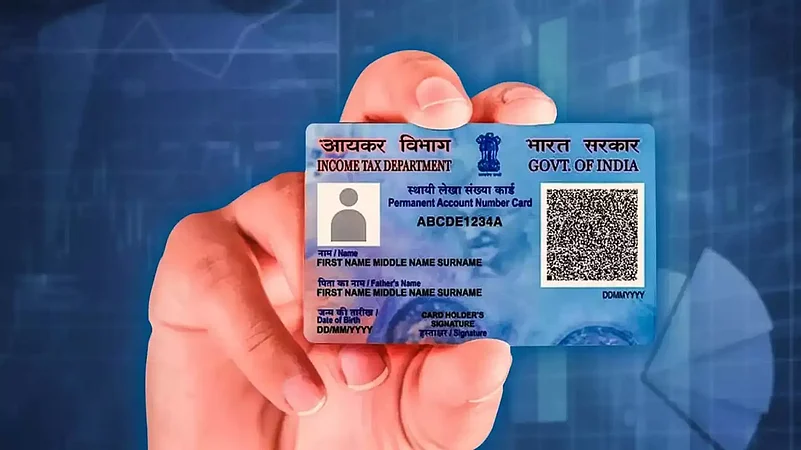
A shocking case of identity-based cyber fraud has surfaced in Uttar Pradesh, where loans worth over ₹25.59 crore were fraudulently raised using the PAN card of a UPSC aspirant. The massive financial irregularity came to light after a routine ₹3,500 online transaction failed, revealing a huge negative lien in the victim’s bank account.
The incident dates back to January 17. Anurag Mishra, who is preparing for the civil services examination in Delhi, attempted to pay his library fee through Google Pay. When the transaction failed, he checked his account status and was stunned to find a negative lien exceeding ₹25 crore in his ICICI Bank account.
A panicked Anurag immediately contacted customer care and later approached the bank branch. Preliminary inquiries revealed that an unknown person had misused his PAN details to open a current account in Varanasi and subsequently availed loans running into crores. Officials said the same account was allegedly used to register a fake firm under GST and route large financial transactions.
Certified Cyber Crime Investigator Course Launched by Centre for Police Technology
Following the complaint, the cyber crime unit swung into action and registered a case. Investigators confirmed that Anurag has no connection with the suspected company and had never applied to open any current account in Varanasi. Yet, loans worth crores and GST-linked records surfaced in his name, pointing to serious lapses in banking verification and KYC procedures.
Preliminary findings have also raised concerns over possible internal lapses or collusion at the bank level, which is now under separate scrutiny. Cyber officials are examining how such a massive liability could be created using a single identity document. Sources said shell firms may have been floated through weak KYC channels or forged papers, after which loan amounts were siphoned off into multiple accounts.
Officials noted that identity theft–driven cyber crimes have risen sharply in recent years, with fraudsters increasingly exploiting PAN and other personal documents to set up shell companies and misuse digital lending systems. In many cases, victims remain unaware until serious discrepancies appear in their banking or credit records.
The incident has triggered anxiety among students and young professionals who rely heavily on digital platforms and online documentation for everyday transactions. Cyber experts warn that identity-based fraud has become more organised and tech-driven, often involving mule account networks and layered financial trails.
Police have urged citizens to regularly monitor bank statements, credit reports and tax records, and immediately report any unfamiliar entries or suspicious activity. They have also advised against sharing PAN, Aadhaar or banking details on unverified platforms, and cautioned people to remain alert to sudden calls or messages seeking personal information.
Authorities said steps have already been initiated to freeze suspect accounts and reverse fraudulent entries wherever possible. Banking regulators have been informed, and a detailed transaction audit is underway. Further disclosures are expected as investigators trace beneficiaries and fix accountability.
What began as a failed ₹3,500 digital payment has now snowballed into a major cyber-financial scam — raising uncomfortable questions about identity security and institutional safeguards in India’s rapidly expanding digital banking ecosystem.
About the author – Rehan Khan is a law student and legal journalist with a keen interest in cybercrime, digital fraud, and emerging technology laws. He writes on the intersection of law, cybersecurity, and online safety, focusing on developments that impact individuals and institutions in India.
