
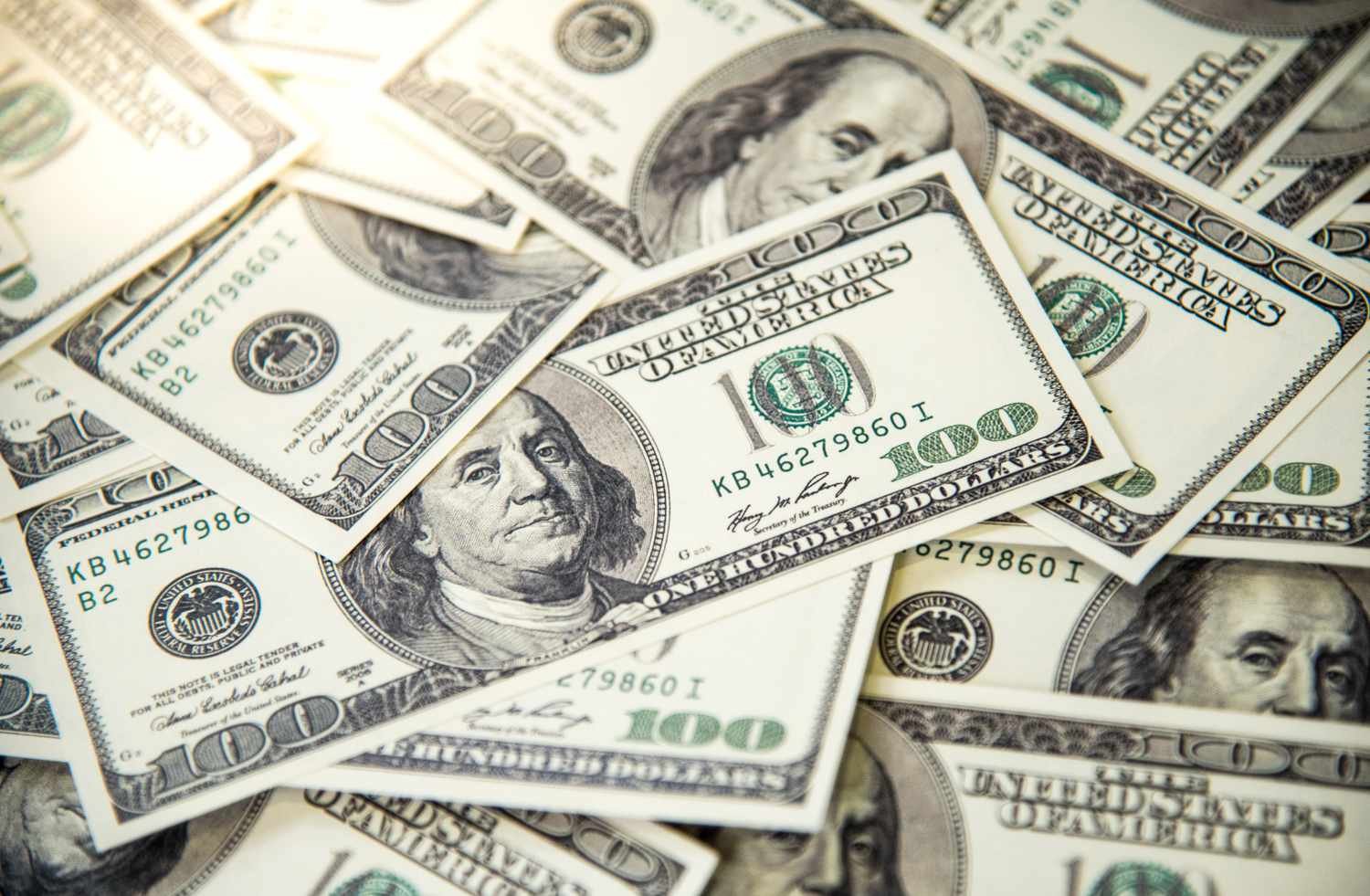
International Desk: Economic power is increasingly being deployed as a geopolitical weapon, with recent disclosures shedding light on how Washington engineered a currency shock in Iran by restricting access to US dollars — a move that sent the rial to historic lows and ignited widespread public unrest.
Senior officials linked to the US financial establishment have indicated that the operation formed part of former president Donald Trump’s “maximum pressure” campaign, aimed at crippling Tehran’s economy without military confrontation. In testimony before lawmakers, US Treasury official Scott Bessent signalled that dollar inflows to Iran were intentionally choked, leaving foreign exchange reserves stranded overseas and tightening liquidity at home.
Certified Cyber Crime Investigator Course Launched by Centre for Police Technology
The impact was swift and severe.
Between November 2025 and January 2026, Iran’s currency slid sharply, pushing up prices of food, fuel and essential imports. With most global trade — from oil and pharmaceuticals to machinery and debt servicing — conducted in dollars, economists say the engineered shortage directly destabilised Iran’s domestic market, eroding household savings and compressing purchasing power.
Banking experts describe the episode as a textbook case of import compression: factories struggled to source raw material, medical supply chains came under strain, and everyday goods became increasingly unaffordable. As inflation accelerated, frustration spilled onto the streets, with protests reported across multiple cities.
Iranian authorities blamed foreign interference for the turmoil, while officials in Washington privately described the pressure campaign as evidence of economic leverage delivering results.
Tehran’s leadership has long accused the US of waging financial warfare. Supreme Leader Ali Khamenei has repeatedly said sanctions punish ordinary citizens more than political elites — a claim echoed by humanitarian groups monitoring conditions inside the country.
The situation grew more sensitive amid heightened US naval activity in the Persian Gulf, even as parallel diplomatic channels sought to prevent escalation. Analysts say the standoff underscores how financial tools now operate alongside military posturing in modern geopolitics.
Former US officials and international policy experts caution that sanctions rarely achieve regime change. Instead, they argue, spiralling prices and unemployment often push populations into survival mode rather than rebellion. Over time, sanctioned states also develop alternative trade routes and informal payment networks, turning economic warfare into a prolonged cat-and-mouse contest.
Yet the acknowledgement that dollar liquidity was deliberately weaponised has sent ripples through diplomatic circles.
“This is a clear warning to emerging economies,” said a senior Asia-based economist. “Overdependence on the dollar-centric system leaves countries exposed to sudden political pressure through banking channels and currency markets.”
For many governments, Iran’s experience has revived debate over diversifying reserves, building bilateral payment mechanisms and reducing reliance on US-controlled financial infrastructure.
What began as a currency squeeze has now evolved into a broader crisis — combining inflation, street protests and rising international tension. Observers warn that if economic sanctions continue to be deployed as aggressively as military tools, future geopolitical battles may be fought less on traditional battlefields and more through clearing houses, correspondent banks and foreign exchange markets.
Iran’s rial collapse is being viewed not merely as a regional event, but as a signal of how financial power can reshape political outcomes — and how fragile national economies can become when global monetary access is turned into a strategic lever.
About the author – Ayesha Aayat is a law student and contributor covering cybercrime, online frauds, and digital safety concerns. Her writing aims to raise awareness about evolving cyber threats and legal responses.
