

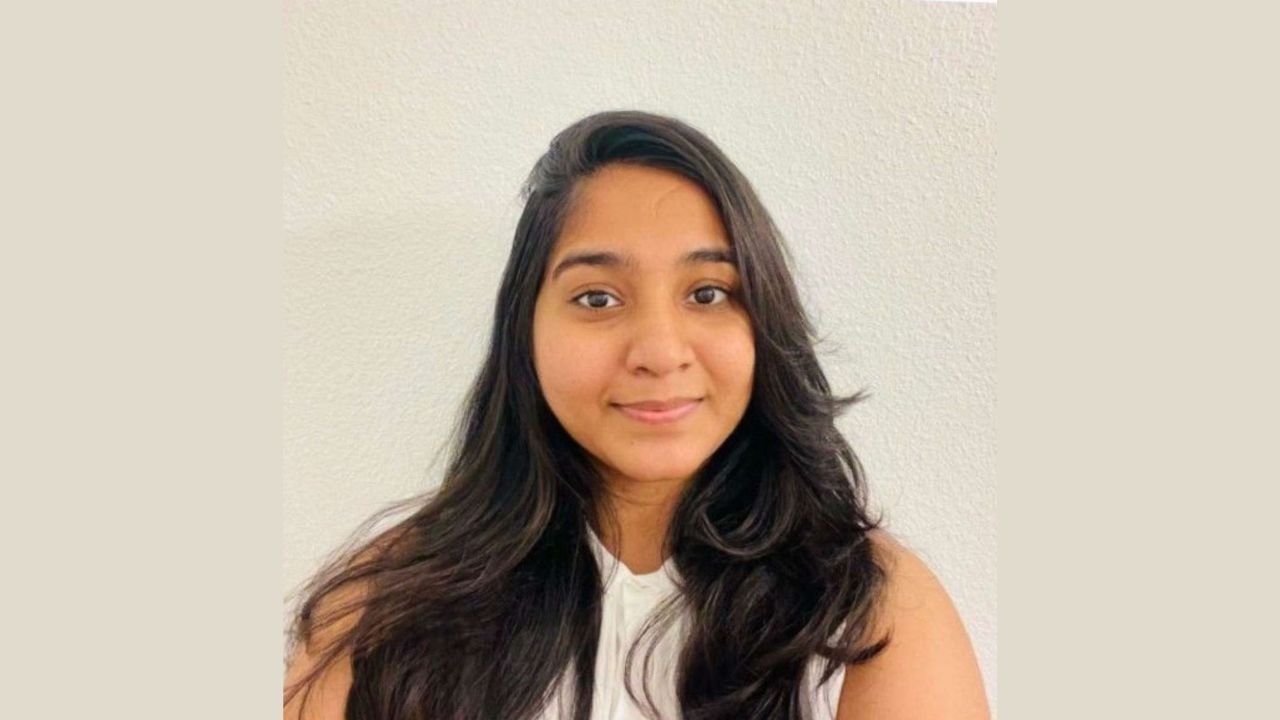

Seattle: The family of Jaahnavi Kandula, a 23-year-old Indian student who was killed after being struck by a speeding police vehicle in Seattle in January 2023, has secured a $29 million (approximately ₹260 crore) settlement with city authorities, bringing a significant civil claim to a close nearly three years after the fatal crash.
The settlement, one of the largest in recent years involving a police vehicle accident in the United States, follows intense public scrutiny over the circumstances of Kandula’s death and the conduct of officers in its aftermath. Nearly $20 million of the payout is expected to be covered by the city’s insurance, according to reports.
Certified Cyber Crime Investigator Course Launched by Centre for Police Technology
Kandula, who had moved to the United States for higher education, was crossing a street in Seattle on January 23, 2023, when she was struck by a police car driven by Officer Kevin Dave. He was responding to an emergency overdose call at the time. Investigations revealed that the patrol vehicle was travelling at approximately 74 miles per hour (around 119 km/h) — significantly above the speed limit — when it hit her.
The impact was severe. Kandula was thrown nearly 100 feet and succumbed to her injuries at the scene. The tragedy triggered widespread concern over police response protocols and road safety during emergency call-outs.
The case intensified months later when body camera footage surfaced showing another officer, Daniel Auderer, making remarks about the incident that sparked outrage. In the recording, Auderer was heard laughing while describing the collision and suggesting that Kandula’s life had “limited value.” The comments drew sharp condemnation from the public and civil rights groups, with many calling them insensitive and dehumanising.
Following internal proceedings, Auderer was dismissed from service. The episode further amplified criticism of policing culture and accountability mechanisms within the department.
For Kandula’s family, the settlement represents a legal resolution but not closure. In earlier statements through legal representatives, the family had emphasised that the loss was irreparable and that no financial compensation could substitute the life of their daughter. However, they had pursued civil action seeking accountability and institutional reform.
Kandula was a graduate student pursuing a master’s degree and was remembered by friends and faculty as a bright and compassionate individual. Her university later honoured her posthumously, awarding her degree in recognition of her academic commitment and contributions to the community.
The case also reignited debate in the US over emergency response driving policies. While police officers are permitted to exceed speed limits when responding to urgent calls, critics argue that departments must enforce stricter safeguards to prevent avoidable fatalities. Data in the US shows that high-speed emergency responses have been linked to a significant number of civilian deaths over the years.
Civil rights advocates have said that the scale of the ₹260 crore settlement underscores the gravity of the case and reflects the city’s recognition of the harm caused. At the same time, they maintain that systemic reform — including improved training, transparency, and accountability — remains essential.
The tragedy struck a chord in India as well, with calls for justice echoing across social media and student communities abroad. Kandula’s death became emblematic of the vulnerabilities faced by international students and the broader issue of police conduct during high-speed operations.
While the settlement formally ends the family’s civil lawsuit, the case continues to be cited in discussions on police accountability and road safety standards in emergency situations. For many, it remains a reminder that behind legal figures and settlements lie lives abruptly cut short — and families forever altered.
