

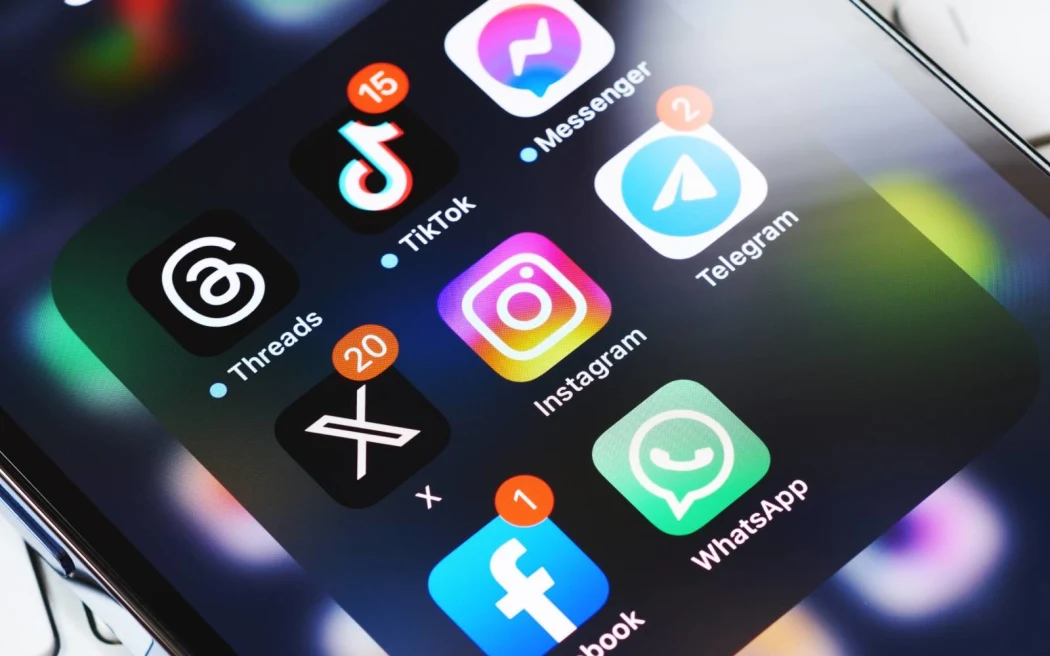
Russia has sharply escalated internet controls by fully blocking major international digital platforms including WhatsApp, YouTube, Instagram and Facebook, effectively cutting millions of users off from global services. According to multiple media reports, the domains of these platforms have been removed from Russia’s national Domain Name System (DNS), rendering them technically unreachable across the country.
Users attempting to access the services are now encountering error messages stating that the domain does not exist, as the system is unable to resolve the corresponding IP addresses. Technology experts say this marks one of Moscow’s toughest digital crackdowns so far, going beyond earlier measures that typically involved throttling speeds or imposing partial restrictions.
Certified Cyber Crime Investigator Course Launched by Centre for Police Technology
International media websites also hit
The latest action is not limited to social media platforms. Several prominent international news outlets have also become inaccessible inside Russia, including the BBC, Deutsche Welle and Radio Free Europe/Radio Liberty. In addition, Tor Browser, widely used for anonymous web access, has reportedly been blocked.
Digital rights groups warn that the move has severely curtailed Russians’ access to independent information and international news, further isolating the country’s online ecosystem from the rest of the world.
Crackdown enforced through ‘sovereign internet’ framework
Under Russian law, all internet service providers are required to operate through the country’s state-controlled DNS infrastructure, overseen by the communications regulator Roskomnadzor. This framework forms the backbone of Russia’s “sovereign internet” legislation, which aims to bring the national internet under tighter domestic control and reduce reliance on foreign digital infrastructure.
Reports indicate that since 2021, Russia has steadily restricted the use of alternative DNS services such as Google DNS. The current move is seen as an extension of that policy, with foreign platforms now being removed directly at the DNS level — a step that makes conventional workarounds far more difficult.
Foreign platforms face near-total shutdown
Technology analysts say the decision will drastically limit the presence of international digital companies and media organisations within Russia. While state-backed platforms and domestic social networks are expected to gain prominence, ordinary users may find it increasingly difficult to access global services.
Human rights organisations have criticised the move as a serious blow to freedom of expression, noting that DNS-level blocking is significantly more effective and restrictive than traditional website bans, as it leaves users with few alternative routes to reach blocked content.
Experts view the latest crackdown as part of a broader strategy by Moscow to exert complete control over its digital environment. With WhatsApp, YouTube and Instagram now inaccessible, millions of Russians have suddenly lost access to everyday communication tools, raising concerns about the wider impact on personal connectivity, business operations and information flow.
Observers say the development underscores Russia’s accelerating push toward a closed, state-managed internet — a shift that could permanently reshape how citizens communicate and consume information in the country.
About the author – Rehan Khan is a law student and legal journalist with a keen interest in cybercrime, digital fraud, and emerging technology laws. He writes on the intersection of law, cybersecurity, and online safety, focusing on developments that impact individuals and institutions in India.
Follow for daily updates on cybercrime, corporate fraud, DFIR, hacking, investigations, and digital forensics
