

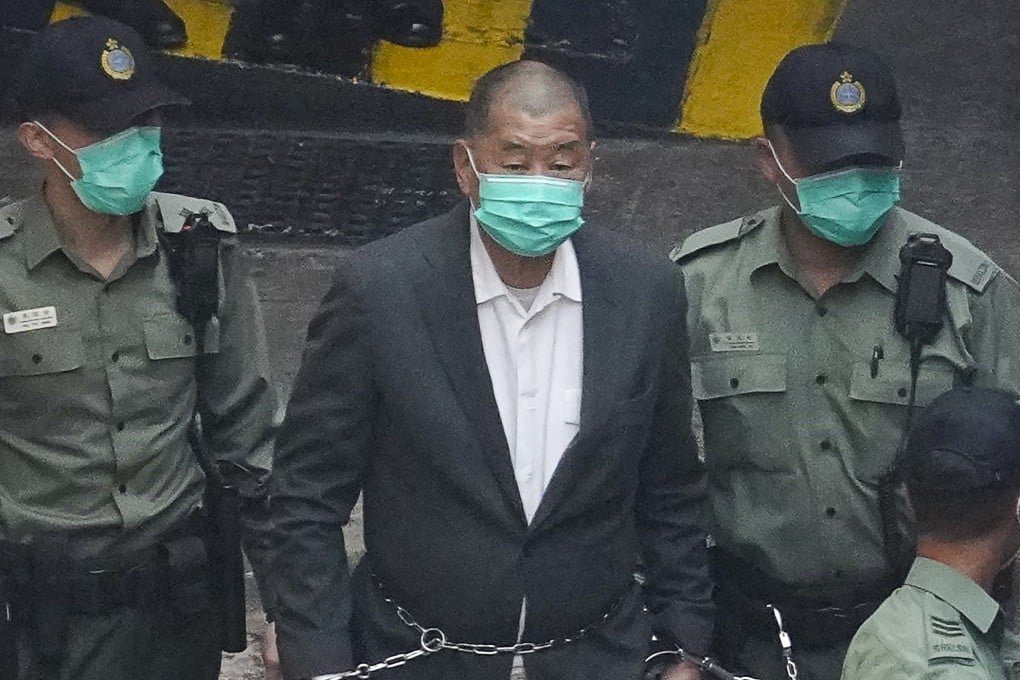

Hong Kong: In one of the most closely watched national security trials in Hong Kong’s recent history, media tycoon Jimmy Lai has been sentenced to a total of 20 years in prison after being found guilty on three major charges. The verdict brings to an end a prolonged legal battle spanning nearly five years and marks a defining moment in the enforcement of the city’s national security law.
The court convicted Lai on two counts of conspiracy to collude with foreign forces and one count of publishing seditious material. The sentencing order, delivered on Monday, combines penalties across all three charges. Lai had been convicted in December 2025, with the court reserving its decision on sentencing until the conclusion of final arguments.
Certified Cyber Crime Investigator Course Launched by Centre for Police Technology
During the trial, prosecutors argued that Lai used his media platforms and international connections to undermine national security after the law came into force. The court accepted the prosecution’s case that his actions went beyond journalism and constituted deliberate attempts to invite foreign interference in Hong Kong’s internal affairs.
Lai, once among the city’s most influential media entrepreneurs, is the founder of the now-defunct Apple Daily newspaper. The publication was widely known for its strong criticism of Beijing and its vocal support for pro-democracy movements. According to the court, several articles and editorial pieces published after the implementation of the national security law were deemed to have crossed legal boundaries by promoting hostile narratives and encouraging external pressure on China and Hong Kong.
The case dates back to August 2020, when Lai was first arrested shortly after the national security law was introduced. That arrest triggered a series of investigations and prosecutions that kept the businessman in and out of court for years. Over time, additional charges were filed, and Apple Daily eventually ceased operations, a development that sparked intense debate over press freedom and state authority.
During the proceedings, the defence maintained that the content cited by prosecutors fell within the scope of journalistic expression and political dissent. Lawyers argued that criticism of government policies and engagement with international audiences should not be criminalised. However, the court rejected these arguments, ruling that national security cases require strict interpretation and that freedom of expression cannot be used as a shield for actions deemed harmful to state interests.
The verdict has drawn global attention, with the case widely seen as a test of how the national security law is applied in Hong Kong. Human rights organisations and press freedom advocates had previously raised concerns about the implications of the trial, warning that it could have a chilling effect on journalism and public discourse. Supporters of the law, however, have argued that it is necessary to restore stability and prevent external interference.
Legal observers say the sentence sends a clear message about the authorities’ uncompromising stance on national security. They note that the scale of the punishment reflects the seriousness with which the court viewed the charges and could influence how media organisations and public figures operate in the future.
The ruling comes amid broader political and legal changes in Hong Kong, where the national security framework has reshaped governance, law enforcement and civil society over the past few years. Several high-profile arrests and convictions have already taken place under the law, but Lai’s case stands out because of his prominence, international profile and the symbolic weight attached to Apple Daily.
At present, it remains unclear whether Lai will pursue an appeal or what course future legal proceedings may take. Legal experts say any appeal would likely focus on constitutional interpretations and the balance between national security and civil liberties.
Regardless of the next steps, the sentencing of Jimmy Lai is expected to have lasting implications. Analysts believe it will shape the contours of Hong Kong’s media environment and serve as a reference point for how national security legislation is interpreted and enforced in the years ahead.
About the author — Suvedita Nath is a science student with a growing interest in cybercrime and digital safety. She writes on online activity, cyber threats, and technology-driven risks. Her work focuses on clarity, accuracy, and public awareness.
