
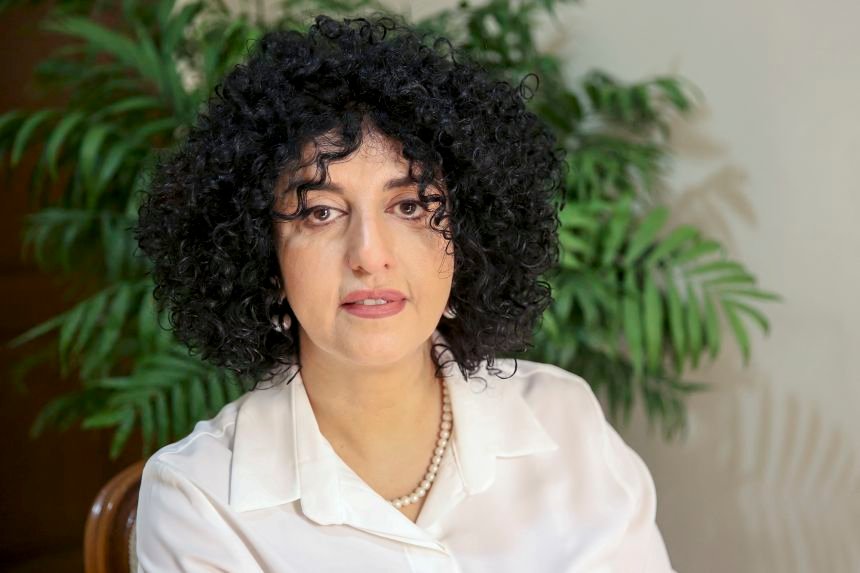
An Iranian court has sentenced Nobel Peace Prize laureate and prominent human rights activist Narges Mohammadi to six years in prison and imposed a two-year ban on her leaving the country, according to her legal counsel. The verdict has triggered strong reactions from international human rights organisations and renewed concerns over the shrinking space for civil liberties in Iran.
The court found Mohammadi guilty of “gathering and collusion to commit crimes,” her lawyer said, describing the ruling as the latest episode in a prolonged legal battle linked to her rights activism. The sentence adds to a series of convictions she has faced over the years for her outspoken stance against capital punishment and her criticism of alleged abuses within Iran’s prison system.
Certified Cyber Crime Investigator Course Launched by Centre for Police Technology
Supporters of Mohammadi insist that the charges stem from her peaceful advocacy rather than any criminal conduct. They argue that her work — which has focused on women’s rights, political prisoners and conditions of detention — has repeatedly been criminalised under broadly defined legal provisions.
Legal observers noted that the ruling comes at a time when judicial pressure on civil society figures has intensified. Human rights groups say the six-year prison term is disproportionate and appears aimed at deterring dissent. The travel ban further curtails Mohammadi’s ability to engage with international human rights platforms, where she has long highlighted issues related to Iran’s justice system and the status of women.
Over the past decade, Mohammadi has been convicted in multiple cases linked to her activism, including allegations involving propaganda and national security. Each conviction has prompted condemnation from rights organisations worldwide, many of which have repeatedly called for her immediate release and the annulment of verdicts they consider politically motivated.
Rights groups say the latest judgment reflects a broader pattern of judicial action against activists, journalists and lawyers. In recent months, several high-profile figures have faced fresh prosecutions, extended sentences or new restrictions, raising fears that authorities are tightening control following periods of public unrest and protest.
Analysts argue that Mohammadi’s international recognition has not insulated her from domestic legal action. Instead, they see the ruling as a signal that global honours will not influence the authorities’ approach toward critics at home. “The message is clear,” said a regional analyst. “Prominence does not translate into protection.”
The Nobel Committee, while awarding her the Peace Prize, had cited Mohammadi’s “fight against the oppression of women in Iran and her struggle to promote human rights and freedom for all.” Following the sentencing, international organisations renewed calls for diplomatic pressure, urging governments to raise the issue in bilateral engagements and at global forums.
Within Iran, state-aligned media defended the judicial process, asserting that the ruling was delivered in accordance with national law and that courts operate independently. Critics, however, counter that vaguely worded charges are frequently used to suppress peaceful dissent and criminalise social activism.
Concerns have also resurfaced over Mohammadi’s health. During earlier periods of incarceration, her family and lawyers had raised questions about access to adequate medical care. Advocacy groups warn that the latest sentence heightens those risks, particularly if prison conditions remain unchanged.
Mohammadi’s legal team is preparing to challenge both the prison term and the travel ban. However, based on previous cases, observers say prospects for relief remain limited. For now, the verdict has intensified international scrutiny of Iran’s human rights record and reignited debate over the treatment of activists within its judicial system.
Experts caution that the ruling could add to Iran’s diplomatic pressures at a time when it is already under close international watch. For Mohammadi’s supporters, the sentence has come to symbolise both the cost of dissent and the resilience of those who continue to speak out despite the risks.
About the author – Ayesha Aayat is a law student and contributor covering cybercrime, online frauds, and digital safety concerns. Her writing aims to raise awareness about evolving cyber threats and legal responses.
