


When the Union government launched the Sahyog portal in 2024, it was framed as a technical solution to a growing administrative problem: how to issue and enforce content takedown notices across a vast and fragmented digital ecosystem. The portal centralised the process, allowing authorities to issue notices to intermediaries for what the law terms “unlawful online content.”
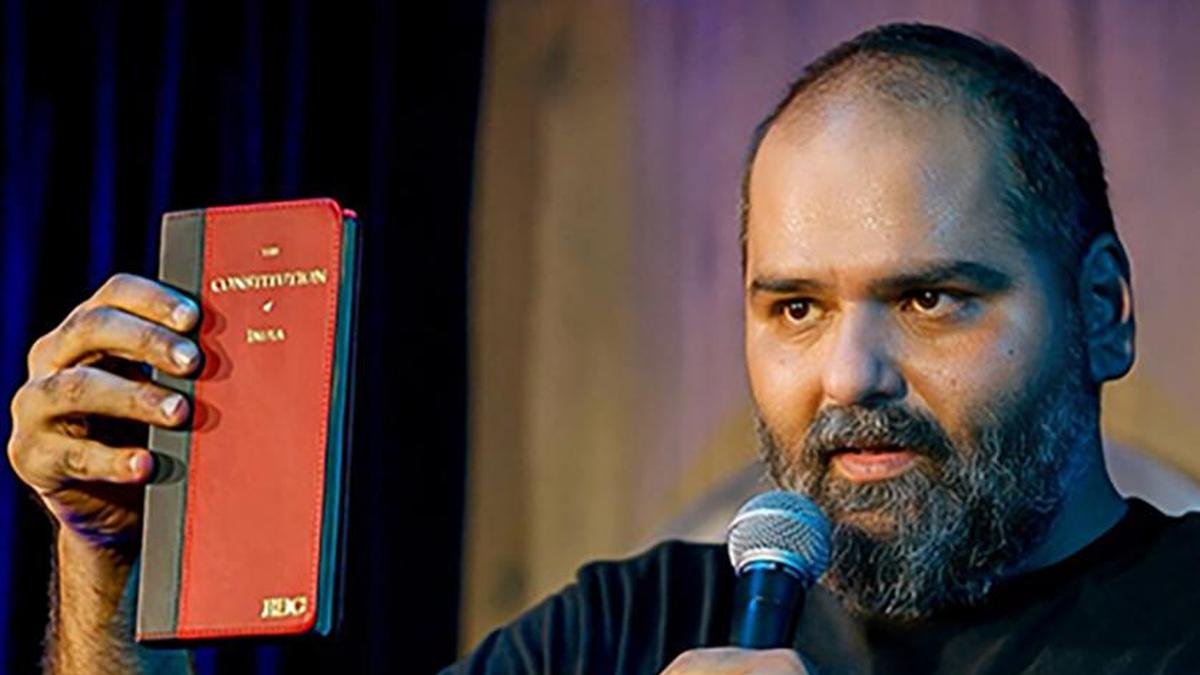
But for Kunal Kamra, a stand-up comedian known for his political satire, Sahyog represents something far more consequential. In a petition filed before the Bombay High Court, Mr. Kamra has challenged the constitutional validity of the portal itself, arguing that it enables the blocking and removal of online content on “wholly vague grounds,” without adequate procedural safeguards.
The petition also targets amendments made to the Information Technology Rules in October 2025, particularly provisions that mandate swift takedowns once a government notification or court order is issued.
Vagueness, Speed, and the Chilling Effect on Speech
At the heart of Mr. Kamra’s challenge is Rule 3(1)(d) of the IT Rules, which requires intermediaries to remove or disable access to content relating to broadly defined categories such as state security, public order, or defamation—often within 24 hours.
According to the petition, this combination of speed and vagueness has a “profound and deeply prejudicial impact” on fundamental rights guaranteed under the Constitution. The argument is not merely about one comedian or one portal, but about the structural effect such a system could have on democratic discourse.
By automating compliance and centralising takedown mechanisms, the portal, the petition contends, discourages platforms from questioning or scrutinising government orders, thereby chilling lawful speech before courts can meaningfully intervene.
A Wider Context of Contestation and Control
The legal challenge comes amid a broader recalibration of India’s digital governance framework. Over the past few years, courts and regulators have increasingly grappled with the balance between user rights, platform responsibility, and state authority.
Mr. Kamra’s petition explicitly links the Sahyog portal to the broader concern that citizens’ ability to “talk freely and express themselves” is being constrained by administrative tools that operate largely outside public scrutiny. It also raises questions about whether such systems align with constitutional protections for free speech and the free flow of information.
The case is unfolding alongside separate proceedings against Mr. Kamra related to alleged breach of privilege, stemming from comments made during a stand-up performance about Maharashtra’s political leadership—underscoring how speech, satire, and state power are colliding across multiple forums.
Courts as Arbiters of Digital Democracy
By asking the Bombay High Court to suspend the operation of the Sahyog portal pending a full hearing, the petition places the judiciary squarely in the role of constitutional referee. The court will now be called upon to examine not just the legality of a portal or a rule, but the deeper question of how democratic oversight is maintained in an era of algorithmic governance and rapid digital enforcement.
As the case moves forward, its implications are likely to extend well beyond one comedian’s challenge. The outcome could shape how India defines the limits of state control over online speech—and how much discretion the Constitution allows in the name of efficiency, security, and order in the digital public square.
