
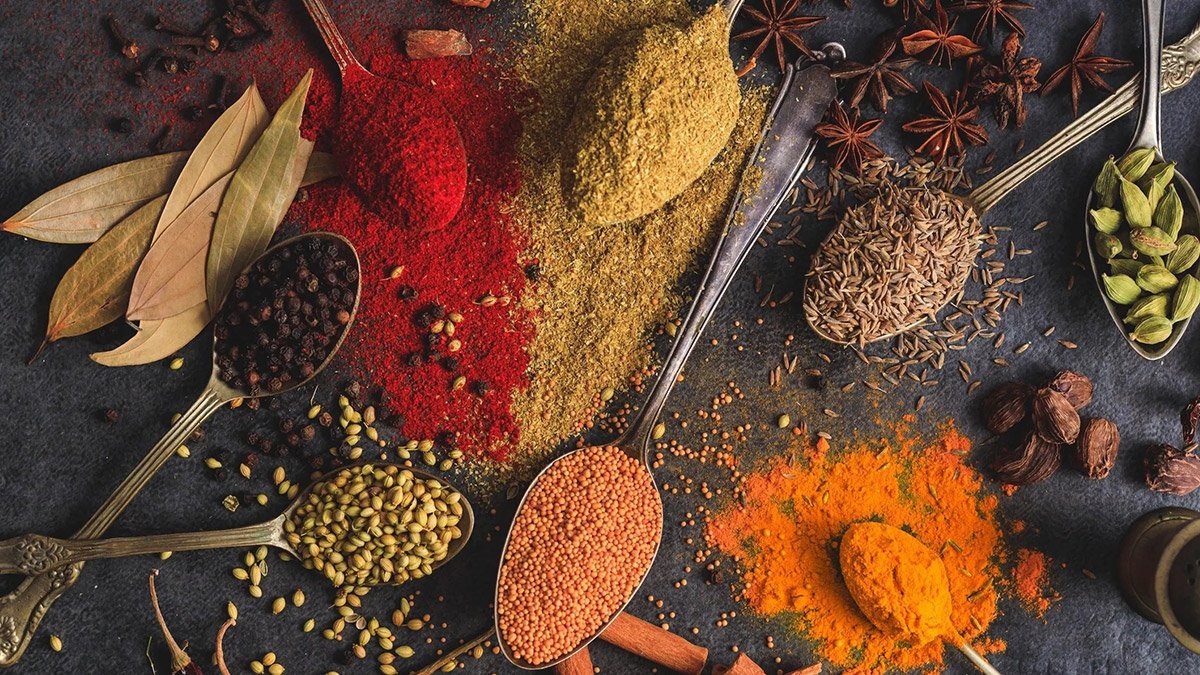
After cracking down on adulterated bottled water and substandard desi ghee, the Uttar Pradesh government has now turned its focus to food oils and spices, ordering a statewide enforcement drive against adulteration and unsafe products. The campaign will include fresh sampling of brands that have previously failed quality tests, with strict action planned against violators, including suspension of licences and closure of business operations.
Officials said the directive applies not only to loose products but also to branded oils and spices, signalling a tougher stance against organised food adulteration. All food inspectors across the state have been instructed to intensify surveillance and submit detailed reports on test failures recorded over the past one year.
Certified Cyber Crime Investigator Course Launched by Centre for Police Technology
According to sources, special emphasis has been placed on brands whose even a single sample has failed laboratory testing. In such cases, inspectors have been directed to collect additional samples. If the brand’s manufacturing unit is located within Uttar Pradesh, samples will be drawn directly from the production facility. If the product is manufactured outside the state, fresh samples will be taken from the same distribution point where the earlier failed sample was collected.
The move comes as part of a broader enforcement push by the Food Safety and Drug Administration, which has been carrying out successive campaigns against unsafe food and illegal pharmaceutical trade. Officials said food inspectors were also asked to report how many traders had filed appeals in cases where oil or spice samples were found substandard or unsafe, and whether action was taken in cases where no appeal was filed.
In particular, inspectors were asked to clarify whether businesses were shut down and licences suspended in cases where traders failed to challenge adverse laboratory reports. The department is now scrutinising these responses to identify gaps in enforcement and ensure uniform action across districts.
Series of high-impact enforcement drives
The fresh focus on oils and spices follows a series of major enforcement actions by the department in recent months. After the exposure of a large racket involving codeine-based cough syrups, authorities launched an extensive campaign against unsafe drinking water. As part of that drive, licences of 169 bottled water manufacturing units were cancelled across the state, and their operations were ordered to be shut down.
This was followed by action against adulterated desi ghee, where three brands were banned across Uttar Pradesh after samples were found to be unsafe or substandard. Officials said these steps were necessary to protect public health and restore consumer confidence in essential food products.
Now, edible oils and commonly used spices have been placed under similar scrutiny, given their widespread consumption and the health risks posed by adulteration. Oils mixed with cheaper substitutes and spices diluted with artificial colours or harmful substances can cause long-term health complications, particularly among children and elderly consumers.
Repeat sampling and stricter accountability
Officials said repeat sampling of failed brands is a key component of the new drive. “One failed sample is no longer the end of the process,” a senior official said. “If a brand has failed once, it will be tested again to rule out systemic adulteration or unsafe manufacturing practices.”
The department has also sought district-wise data on the number of failed samples over the last year, signalling a move towards data-driven enforcement. Brands found repeatedly violating safety standards could face extended bans, prosecution under food safety laws, and blacklisting from government supply chains.
Message to traders and manufacturers
The renewed campaign sends a clear warning to traders and manufacturers that compliance with food safety norms is non-negotiable. Officials said internal reviews would also assess whether field-level enforcement has been consistent and whether penalties imposed in the past were adequate.
With oils and spices now firmly on the enforcement radar, authorities said inspections and sampling would be stepped up in wholesale markets, retail outlets and manufacturing units over the coming weeks.
The department maintained that the objective of the drive is not merely punitive but preventive—ensuring that adulterated and unsafe food does not reach consumers. However, it made clear that businesses found flouting the law would face swift and decisive action.
The statewide campaign is expected to have a significant impact on the food trade, particularly on brands and suppliers with a history of quality violations, as Uttar Pradesh tightens its food safety net in phases across essential commodities.
About the author – Ayesha Aayat is a law student and contributor covering cybercrime, online frauds, and digital safety concerns. Her writing aims to raise awareness about evolving cyber threats and legal responses.
