
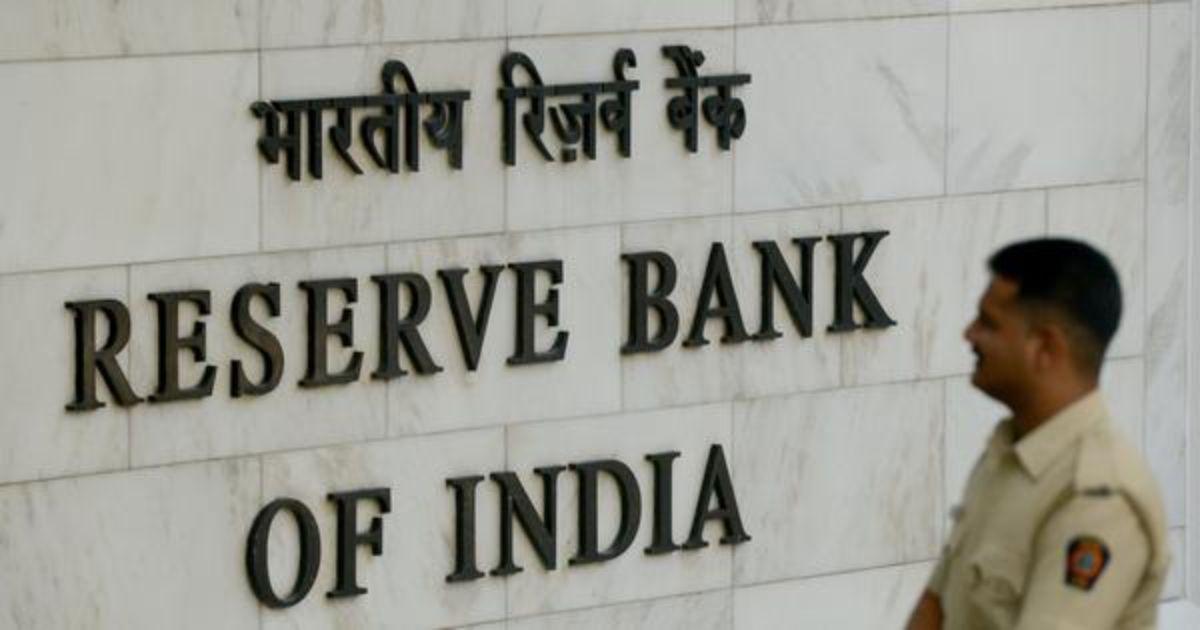
The Reserve Bank of India’s Monetary Policy Committee (MPC) has widened its policy lens beyond interest rates, announcing a clutch of measures aimed squarely at strengthening customer protection across banking and digital payments. At its February 2026 meeting, the committee signalled a hard line on coercive loan recovery practices while proposing a compensation framework of up to ₹25,000 for victims of small-value digital fraud, underscoring a sharper regulatory focus on everyday consumer risks.
The decisions come amid a steady rise in complaints linked to aggressive recovery methods and unauthorised electronic transactions, even as digital payments deepen their footprint across the country. The MPC said new guidelines would be rolled out to make banks and financial institutions directly accountable for the conduct of recovery agents, while also limiting customer liability in select fraud scenarios.
Certified Cyber Crime Investigator Course Launched by Centre for Police Technology
Recovery agents under tighter supervision
In a significant move, the MPC decided to bring the entire loan recovery process under stricter regulatory oversight. Banks and non-banking financial companies (NBFCs) will be required to enforce clear, enforceable rules governing the conduct of recovery agents. The objective is to curb instances of intimidation, harassment and mental pressure reportedly used to extract repayments from borrowers.
Under the proposed framework, lenders will be held responsible for the actions of agents engaged by them, including third-party agencies. Recovery procedures are expected to be standardised, documented and auditable, with an emphasis on transparency and grievance redressal. The central bank indicated that the reforms are intended to deter fear-based tactics and restore dignity to borrower interactions without diluting legitimate recovery rights.
Fresh curbs on mis-selling
The MPC also flagged concerns over mis-selling of loans and other financial products, where customers are sold products without full disclosure of terms, costs or risks. Separate guidelines are to be issued to ensure that sales practices meet higher disclosure and suitability standards.
Regulators believe that clearer rules and accountability will reduce disputes arising from hidden charges, unsuitable products and misleading assurances—an area that has generated a growing volume of consumer complaints in recent years.
Digital fraud: relief framework proposed
On digital payments, the MPC proposed a compensation framework for customers affected by unauthorised electronic transactions, particularly in small-value fraud cases. Under the proposal, eligible customers could receive compensation of up to ₹25,000, with their liability capped provided incidents are reported promptly and due care has been exercised.
The central bank said the move is designed to bolster confidence in digital payments by ensuring that losses are not automatically borne by customers, especially as fraudsters exploit scale and speed in online ecosystems. The framework is expected to define timelines for reporting, investigation and settlement, alongside responsibilities for banks and payment service providers.
Focus on safer digital payments
To further strengthen safeguards, the central bank will issue a discussion paper on enhancing digital payment security. The paper is expected to explore new protective measures, improved authentication, faster alerts and stronger dispute resolution mechanisms. Particular attention will be paid to vulnerable user groups, including senior citizens, who are often disproportionately targeted by fraud schemes.
By inviting stakeholder feedback through a discussion paper, regulators aim to future-proof security standards as payment volumes and use cases continue to expand.
A broader consumer protection pivot
Taken together, the MPC’s decisions reflect a broader pivot toward consumer protection within the financial system. While monetary policy continues to anchor inflation management and growth, the committee made it clear that trust, fairness and safety are essential to the system’s long-term stability.
With new guidelines on recovery practices and mis-selling, alongside proposed relief for digital fraud victims, the central bank is signalling that compliance failures affecting customers will face tighter scrutiny. Market participants expect implementation details and timelines to be clarified through subsequent circulars, after which lenders will need to recalibrate internal controls, agent management and customer communication.
As India’s banking and payments landscape becomes more complex and digital-first, the MPC’s latest measures aim to ensure that convenience and credit expansion are matched by accountability—placing the customer firmly back at the centre of the system, said the Reserve Bank of India.
About the author – Ayesha Aayat is a law student and contributor covering cybercrime, online frauds, and digital safety concerns. Her writing aims to raise awareness about evolving cyber threats and legal responses.
