

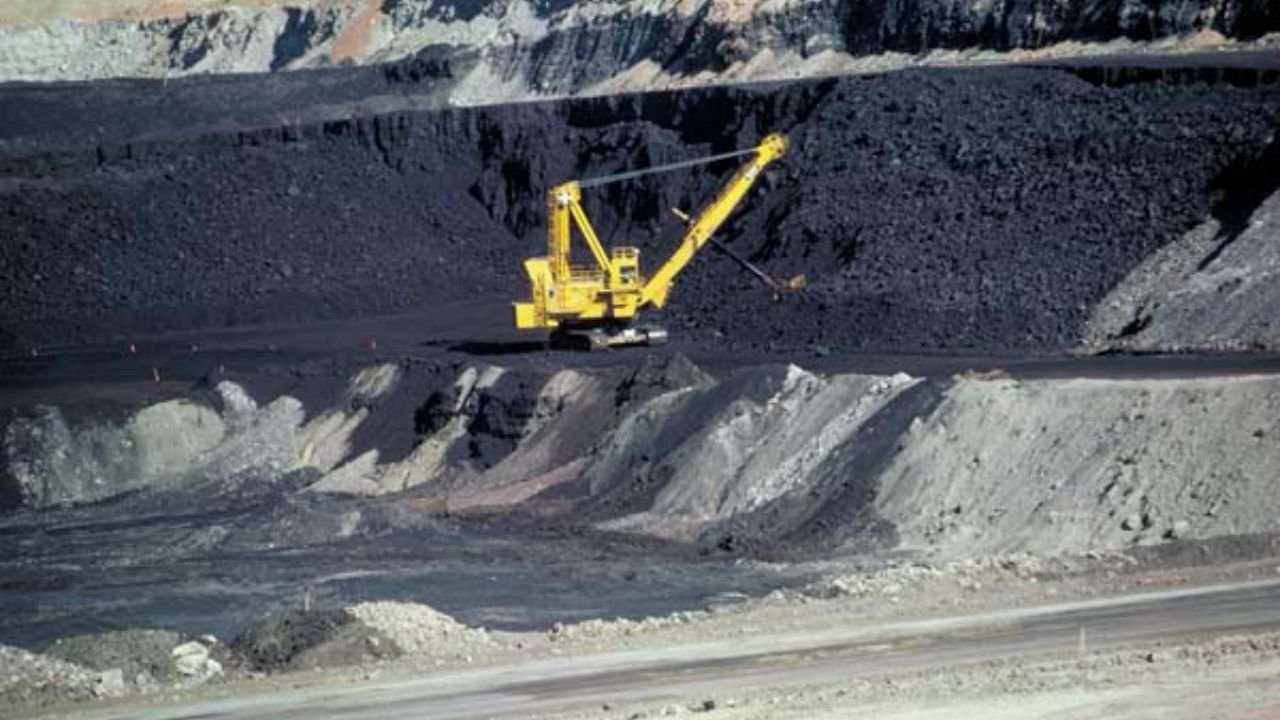

Shillong: At least 18 labourers were killed after a powerful explosion ripped through an illegal coal mine in Meghalaya’s East Jaintia Hills district on Thursday, triggering a frantic rescue operation amid fears that more workers remain trapped deep underground.
Officials confirmed that the blast occurred inside a clandestine mining shaft at a remote village in the district, an area long notorious for outlawed “rat-hole” coal mining. The explosion is believed to have trapped labourers working inside the narrow tunnels, leaving them with little chance of escape.
Police teams recovered 18 bodies from the mine by late evening, while rescue personnel continued to clear debris and toxic fumes from the shaft. Authorities said the exact number of workers present at the time of the blast is still being verified, raising concern that the death toll could climb.
Certified Cyber Crime Investigator Course Launched by Centre for Police Technology
Explosion deep inside shaft
Preliminary findings suggest the blast occurred deep inside the mine, possibly triggered by the ignition of accumulated methane gas or explosive material used to loosen coal seams. The narrow, unregulated tunnels typical of illegal mines severely hampered rescue efforts, officials said.
Local residents alerted authorities after hearing a loud explosion followed by smoke billowing from the mine opening. By the time rescue teams arrived, visibility inside the shaft was near zero, and oxygen levels were dangerously low.
Illegal mining under scrutiny again
The tragedy has once again thrown the spotlight on Meghalaya’s long-running battle with illegal coal mining. Despite a ban imposed years ago by the National Green Tribunal, clandestine operations continue across parts of the State, particularly in the coal-rich belts of East Jaintia Hills.
Unregulated mines often lack basic safety measures, ventilation systems or emergency exits. Labourers—many of them migrants—work for long hours in cramped tunnels, exposed to toxic gases and frequent cave-ins.
“This is a man-made disaster,” said a senior official involved in the rescue operation. “These mines operate outside the law, with no safety audits, no trained personnel and no emergency planning.”
Rescue hampered by terrain and fumes
Rescue teams comprising police, disaster response units and local volunteers worked through the night, battling unstable ground and hazardous air conditions. Pumps were deployed to remove toxic gases, while heavy equipment was brought in to widen access points.
Medical teams were placed on standby at nearby health centres, even as hopes of finding survivors diminished with each passing hour.
Pattern of repeated tragedies
This is not the first deadly incident linked to illegal mining in Meghalaya. Over the past decade, dozens of workers have died in cave-ins, flooding incidents and gas explosions linked to rat-hole mines. Despite periodic crackdowns, enforcement has struggled to keep pace with the scale of illegal activity.
Activists argue that economic dependence on coal mining, coupled with weak oversight and difficult terrain, has allowed unlawful operations to persist.
Calls for accountability
The incident has sparked renewed calls for accountability and stronger enforcement. Legal experts say repeated disasters underscore the failure to fully dismantle illegal mining networks and rehabilitate affected communities.
Families of the deceased labourers gathered near the site, many demanding compensation and assurances that such incidents would not be repeated. Officials said relief measures and ex-gratia assistance are being processed, though formal announcements are awaited.
What lies ahead
Authorities have ordered a detailed probe to determine the exact cause of the explosion and identify those responsible for running the illegal mine. Sources said criminal liability could extend to mine operators, facilitators and anyone found enabling unlawful extraction.
As rescue operations continue, the tragedy stands as a stark reminder of the human cost of illegal mining—where profit repeatedly outweighs safety, and enforcement gaps prove fatal.
For Meghalaya, the deadly blast is yet another warning that unless illegal coal mining is decisively stamped out, such disasters will continue to claim lives in the shadows.
About the author — Suvedita Nath is a science student with a growing interest in cybercrime and digital safety. She writes on online activity, cyber threats, and technology-driven risks. Her work focuses on clarity, accuracy, and public awareness.
