
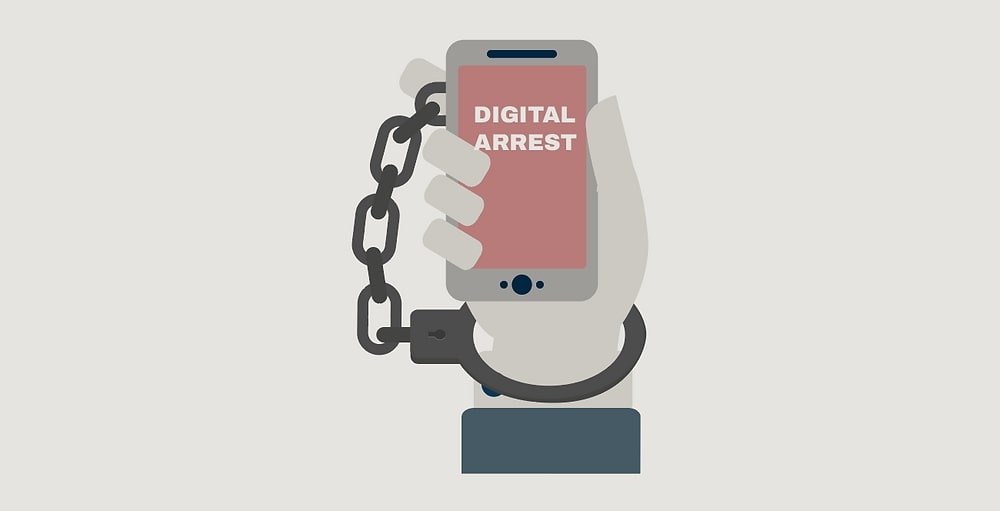
In a chilling case of cyber fraud, a woman doctor posted at a government hospital in Mathura was duped of ₹5.35 lakh after being threatened with arrest and summoned to a fake online court hearing. The racket came to light when the fraudsters returned with a fresh demand of ₹30 lakh, prompting the victim to approach the police. A case has been registered at the cyber crime police station and investigations are underway.
Preliminary findings have revealed that a portion of the defrauded amount was withdrawn from an ATM in Telangana, while the remaining sum was routed through multiple bank accounts, indicating an organised cyber crime network.
The victim, Dr Juhi Varshney, a resident of Bagh Farzana in Agra, is currently posted at a government hospital in Mathura. According to the FIR, she received a phone call on December 6 from a woman claiming to be an official from the Telecom Regulatory Authority of India (TRAI) notification unit.
The caller alleged that a mobile number registered in Dr Varshney’s name had been used to send objectionable messages in Mumbai and that an FIR had already been registered in the matter. She was told to appear before the Mumbai Crime Branch immediately.
When Dr Varshney expressed her inability to travel, the call was allegedly transferred to another number, described as the cyber crime cell. A man on the line introduced himself as sub-inspector Pradeep Sawant and claimed that her Aadhaar details were under verification. He assured her that a “clearance certificate” could be issued if the process was completed.
Certified Cyber Crime Investigator Course Launched by Centre for Police Technology
Soon after, another caller was added to the conversation, claiming to be the person who had used the SIM card. He said he had been arrested in the Naresh Goyal money laundering case and warned that Dr Varshney’s arrest was inevitable as well.
The call was then escalated to a man posing as IPS officer George Matthew, who reinforced the arrest threat. The next day, yet another individual contacted the doctor via WhatsApp, claiming to be a senior officer, and demanded money to “stop the arrest proceedings”.
Taking advantage of the fact that Dr Varshney has a one-year-old child, the fraudsters proposed that she be produced before a virtual court instead of being physically detained. Under intense psychological pressure, she was first made to transfer ₹35,000 via UPI. This was followed by the transfer of ₹5 lakh from her bank account.
When her account balance dropped to just ₹1,000, the accused asked her to appear before the so-called virtual court on December 8. The following day, they claimed the hearing could not take place and again threatened arrest.
The fraudsters went on to claim that police personnel in plain clothes had reached near her residence and demanded an additional ₹30 lakh to “freeze” the arrest. When Dr Varshney said she could not arrange such a huge amount and sought leave from the Chief Medical Officer to personally appear before the court, the callers continued to intimidate her.
Growing suspicious of the entire episode, she finally contacted the police, leading to the exposure of the scam.
DCP West (Cyber Crime) Aditya Kumar said investigations have confirmed that part of the cheated money was withdrawn from an ATM in Telangana, while the remaining amount was siphoned off through other accounts. “Several technical leads have been obtained and teams are working to identify and trace the accused,” he said.
Police have reiterated that there is no legal concept of ‘digital arrest’. Law enforcement agencies never arrest individuals through phone calls or video conferences. Cyber criminals are increasingly creating fake courtrooms and issuing forged online warrants to terrorise victims.
The public has been advised to immediately report such calls to the local police or the cyber crime helpline, and not to panic or transfer money under any circumstances.
About the author – Rehan Khan is a law student and legal journalist with a keen interest in cybercrime, digital fraud, and emerging technology laws. He writes on the intersection of law, cybersecurity, and online safety, focusing on developments that impact individuals and institutions in India.
