

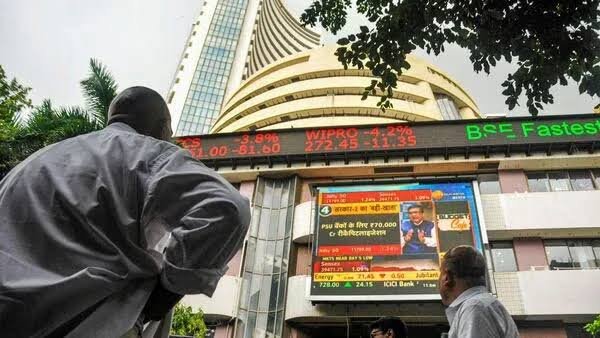

Mumbai: Indian equity markets witnessed a stunning surge on Tuesday, February 3, following the announcement of the India–US trade deal, sharply boosting investor wealth within minutes of the opening bell. In the first 20 minutes of trade alone, the total market capitalisation of companies listed on the Bombay Stock Exchange jumped by nearly ₹20 lakh crore, dramatically lifting market sentiment.
At Monday’s close, the total market capitalisation of BSE-listed companies stood at around ₹455 lakh crore. In early trade on Tuesday, this figure surged to nearly ₹474 lakh crore, before seeing some intraday volatility. The sharp initial rise underlined the market’s strong endorsement of the trade agreement as a major positive trigger for Indian equities.
Reason 1: Trade deal transforms market sentiment
The primary driver behind the rally was the India–US trade deal, under which tariffs on Indian exports to the US are set to be slashed from 50% to 18%. The sharp reduction has significantly improved the outlook for export-oriented companies and strengthened overall investor confidence.
Certified Cyber Crime Investigator Course Launched by Centre for Police Technology
Market participants believe the tariff cut will enhance the global competitiveness of Indian firms, improve export volumes, and support earnings growth in the coming quarters. This optimism translated into aggressive buying across sectors right from the opening bell.
Analysts said the scale of the tariff rollback was larger than expected, prompting investors to quickly reprice stocks linked to exports, manufacturing, and consumption.
Reason 2: India gains edge over regional export rivals
The trade deal has also given India a clear advantage over several regional export competitors in the US market. While Indian exports will now face an 18% tariff, countries such as Bangladesh, Sri Lanka, Taiwan and Vietnam will continue to face 20% duties. Indonesia, Malaysia, Thailand and the Philippines remain subject to 19% tariffs.
This relative advantage strengthened the case for Indian exporters gaining market share in the US, particularly in labour-intensive sectors. Investors responded by piling into stocks with strong overseas exposure, anticipating improved order flows and pricing power.
Reason 3: Support from currency and bond markets
The rally was further supported by positive moves in the currency and bond markets. In early trade, the Indian rupee strengthened by more than 1% against the US dollar, rising to around 90.40. At the same time, the yield on the 10-year benchmark government bond fell by about 5 basis points to 6.72%.
A stronger rupee and lower bond yields are typically viewed as supportive for equities, as they signal improved capital flows, lower funding costs, and better macro stability. Together, these factors added momentum to the equity rally.
Sectoral picture: Textiles soar, autos shine
The most dramatic gains were seen in the textile sector, where nearly all major stocks hit 20% upper circuits. Investors expect textile exporters to be among the biggest beneficiaries of the tariff reduction, given their strong presence in the US market.
Stocks linked to shrimp and marine products also saw heavy buying, reflecting optimism over export demand. Auto stocks joined the rally as well, posting sharp gains, although some investors remained cautious about limited relief for certain heavy industries under US trade rules.
Indices log historic opening
The surge was clearly reflected in benchmark indices. On the National Stock Exchange of India, the Nifty 50 opened with a massive 1,200-point gap-up, one of the largest single-day opening moves in its history in absolute terms. The midcap index crossed the 60,000 mark, while strong buying in banking stocks pushed the Nifty Bank above 61,400 at the open.
What lies ahead?
Market observers caution that while the rally has been driven largely by sentiment, it is backed by tangible policy developments. However, the sustainability of the upmove will depend on how quickly the trade deal translates into higher exports, stronger earnings, and improved corporate guidance.
For now, the India–US trade deal has delivered a powerful confidence boost, triggering one of the most dramatic opening rallies in recent years—and reinforcing investor belief that policy clarity can still move markets decisively.
