
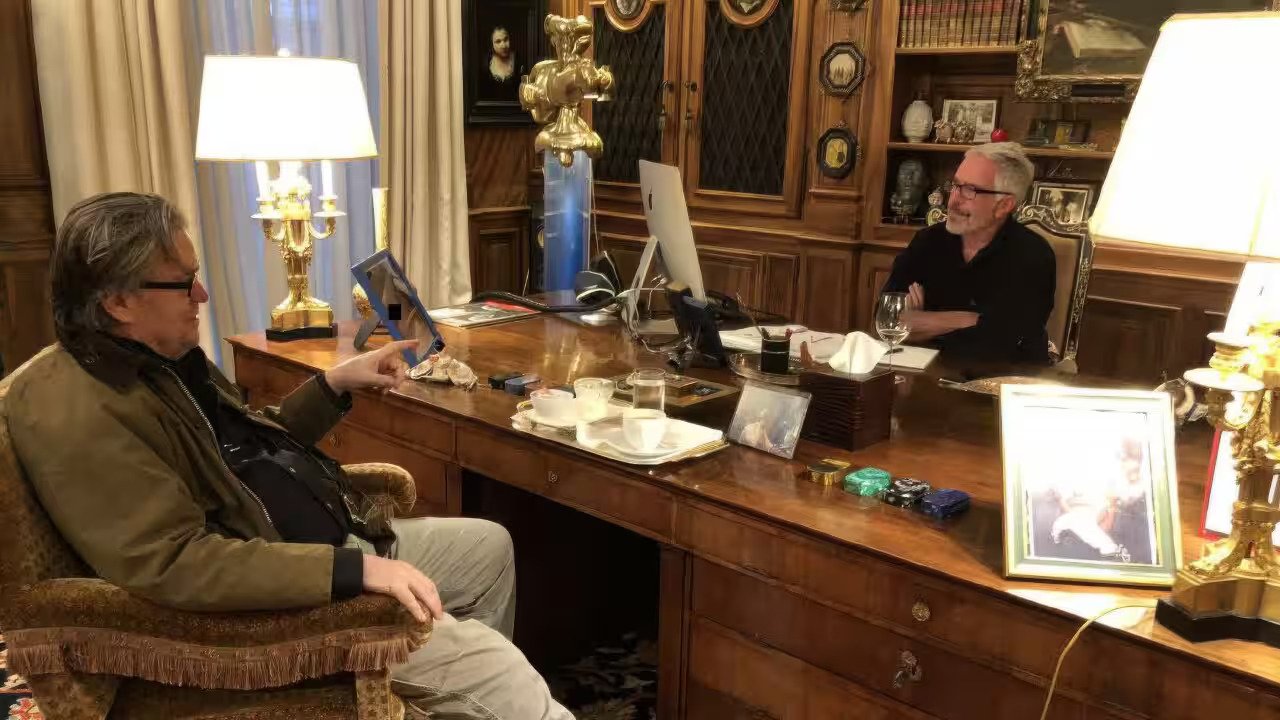
Former US President Bill Clinton and former Secretary of State Hillary Clinton have agreed to testify before a congressional committee investigating the late sex offender Jeffrey Epstein, a move that could defuse a looming confrontation with the Republican-led House of Representatives.
The decision comes just days before a planned vote to hold the Clintons in contempt of Congress for earlier refusing to appear in person. Such a vote, if carried through, could have opened the door to criminal proceedings, sharply escalating the political stakes of the high-profile investigation.
A staffer familiar with the matter confirmed that the two senior Democrats will comply with the House panel’s request, potentially heading off what had been shaping up as a bitter partisan clash.
Certified Cyber Crime Investigator Course Launched by Centre for Police Technology
Contempt threat loomed large
The House Oversight Committee had recommended last week that the Clintons be held in contempt for declining to testify about their past association with Epstein. While the couple had offered to cooperate with the inquiry, they had resisted appearing in person, arguing that the probe was politically motivated.
According to people close to the Clintons, their decision to testify reflects a calculation that continued resistance would only deepen the controversy and allow opponents to frame the issue as defiance of Congress.
“The former President and former Secretary of State will be there,” their deputy chief of staff, Angel Urena, said in a public statement. “They look forward to setting a precedent that applies to everyone.”
Allegations of partisanship
The Clintons have repeatedly alleged that the investigation is being driven by partisan objectives rather than a genuine search for accountability. They have suggested that the focus on their relationship with Epstein serves to deflect attention from politically sensitive questions involving Republican figures, including former President Donald Trump.
House Republicans, however, have rejected those claims, maintaining that the inquiry seeks to establish a full and transparent account of Epstein’s network and his ties to powerful individuals across the political spectrum.
House Speaker Mike Johnson welcomed the Clintons’ decision but stopped short of confirming whether the proposed contempt vote would be withdrawn. “That’s a good development,” he said. “We expect everyone to comply with Congress’s subpoenas.”
Clinton–Epstein connection revisited
Bill Clinton has acknowledged that he flew on Epstein’s private jet several times in the early 2000s after leaving office. He has since expressed regret over the association, stating that he was unaware of Epstein’s criminal activities at the time.
Epstein, a wealthy financier with extensive political and social connections, died in a New York jail in 2019 while awaiting trial on federal sex trafficking charges. His death, officially ruled a suicide, fuelled widespread controversy and speculation, while court filings and document releases in subsequent years have kept his links with influential figures under intense scrutiny.
The current congressional investigation gained renewed momentum following the release of additional Epstein-related documents, which named or referenced several prominent individuals, intensifying pressure on lawmakers to pursue testimony from high-profile witnesses.
High political stakes
Analysts say the Clintons’ agreement to testify could recalibrate the trajectory of the inquiry. By appearing before the committee, they may seek to present their account on record and blunt accusations of non-cooperation, even as the broader political battle over the probe continues.
At the same time, the move places added pressure on the House committee to demonstrate that its investigation is balanced and evidence-driven, rather than selectively targeted.
What comes next
It remains unclear when the Clintons will testify or whether their appearance will be public or conducted behind closed doors. The committee has yet to announce details of the schedule or format.
For now, the decision appears to have paused what could have become a dramatic escalation between Congress and two of the most recognisable figures in modern Democratic politics. Whether it also brings greater clarity to the sprawling Epstein investigation—or simply shifts the political fault lines—will likely become evident in the weeks ahead.
The case underscores how Epstein’s legacy continues to ripple through American politics, forcing long-standing relationships back into the spotlight and testing the boundaries between accountability, privacy and partisanship.
About the author – Ayesha Aayat is a law student and contributor covering cybercrime, online frauds, and digital safety concerns. Her writing aims to raise awareness about evolving cyber threats and legal responses.
