
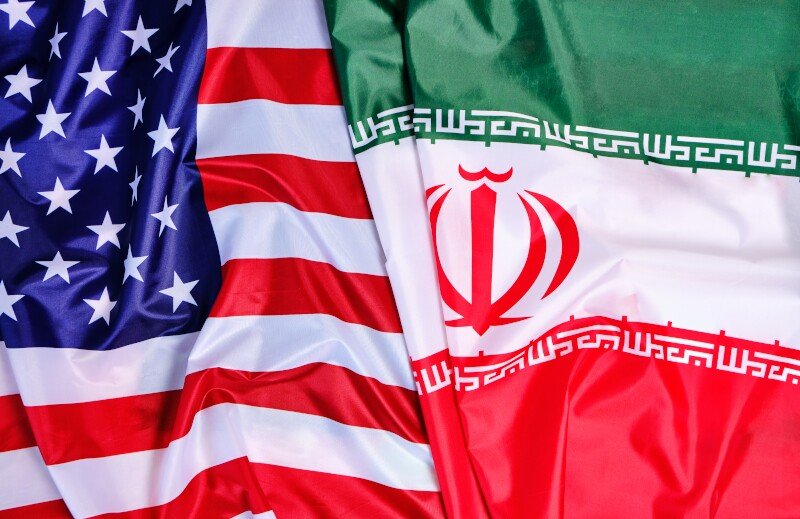
The United States has indicated that military action against Iran may not be inevitable, with Washington signalling a renewed diplomatic opening even as tensions remain elevated across West Asia. The message comes amid an expanded U.S. military presence in the region and sharp rhetoric from Tehran, which has warned of retaliatory strikes on American bases and assets in the event of an attack.
Speaking on Thursday, the U.S. President said discussions with Iran were ongoing and expressed hope that force would not be required, leaving open the possibility of avoiding a military operation. The remarks mark a softer public tone after earlier warnings that time was “running out” for Tehran to address Washington’s concerns.
The comments coincided with heightened military activity, including the deployment of a large U.S. naval fleet to the region, a move that has been closely watched by regional capitals and global markets. While Washington has described the deployments as precautionary, Tehran has viewed them as escalatory and has issued repeated warnings against any strike on its territory.
Iranian authorities have said that any attack would trigger a direct response against U.S. military installations and aircraft carriers operating in the region. The warnings have added to fears of a rapid escalation in a region already strained by ongoing conflicts, disrupted shipping routes and fragile ceasefires.
Certified Cyber Crime Investigator Course Launched by Centre for Police Technology
Diplomatic sources said the latest remarks suggest Washington is attempting to balance deterrence with dialogue, maintaining military pressure while keeping channels open to prevent miscalculation. The dual-track approach reflects concerns that even a limited strike could spiral into a broader regional conflict involving multiple state and non-state actors.
Oil markets and global investors have reacted nervously to the unfolding situation. Crude prices have hovered near multi-month highs in recent sessions, reflecting the risk premium attached to potential disruption in the Strait of Hormuz, through which a significant share of the world’s oil supply passes. Any conflict involving Iran could sharply impact energy flows and global inflation dynamics.
Analysts noted that the shift in tone may also be aimed at reassuring allies and domestic audiences wary of another prolonged military engagement in West Asia. With global geopolitical tensions already high, there is limited appetite among major economies for a fresh conflict that could destabilise energy markets and international trade.
Despite the conciliatory language, officials in Washington have stressed that all options remain on the table if diplomatic efforts fail. The U.S. has reiterated that its objective is to prevent Iran from advancing activities it views as destabilising to regional security, while stopping short of outlining specific red lines publicly.
Iran, for its part, has maintained that it will not negotiate under threat and has accused Washington of using military pressure as leverage. Officials in Tehran have said that while they remain open to dialogue, any talks must respect Iran’s sovereignty and security interests.
Regional observers say the coming days will be critical in determining whether the current standoff de-escalates or hardens further. The presence of heavily armed forces in close proximity increases the risk of incidents, even if neither side actively seeks confrontation.
The situation has also drawn attention from European and Asian capitals, many of which have urged restraint and a return to sustained diplomacy. Several countries with significant economic exposure to West Asia have quietly pushed for back-channel engagement to reduce tensions.
For now, Washington’s message appears calibrated to keep diplomatic doors open without easing military readiness. Whether this approach succeeds will depend on parallel signals from Tehran and the willingness of both sides to step back from the brink.
As negotiations continue behind the scenes, the region remains on edge, with markets, governments and security agencies closely monitoring developments. Any breakdown in talks or misstep on the ground could quickly alter the calculus, turning cautious optimism into renewed crisis.
Further developments are expected as diplomatic contacts continue alongside military deployments.
About the author – Rehan Khan is a law student and legal journalist with a keen interest in cybercrime, digital fraud, and emerging technology laws. He writes on the intersection of law, cybersecurity, and online safety, focusing on developments that impact individuals and institutions in India.
