

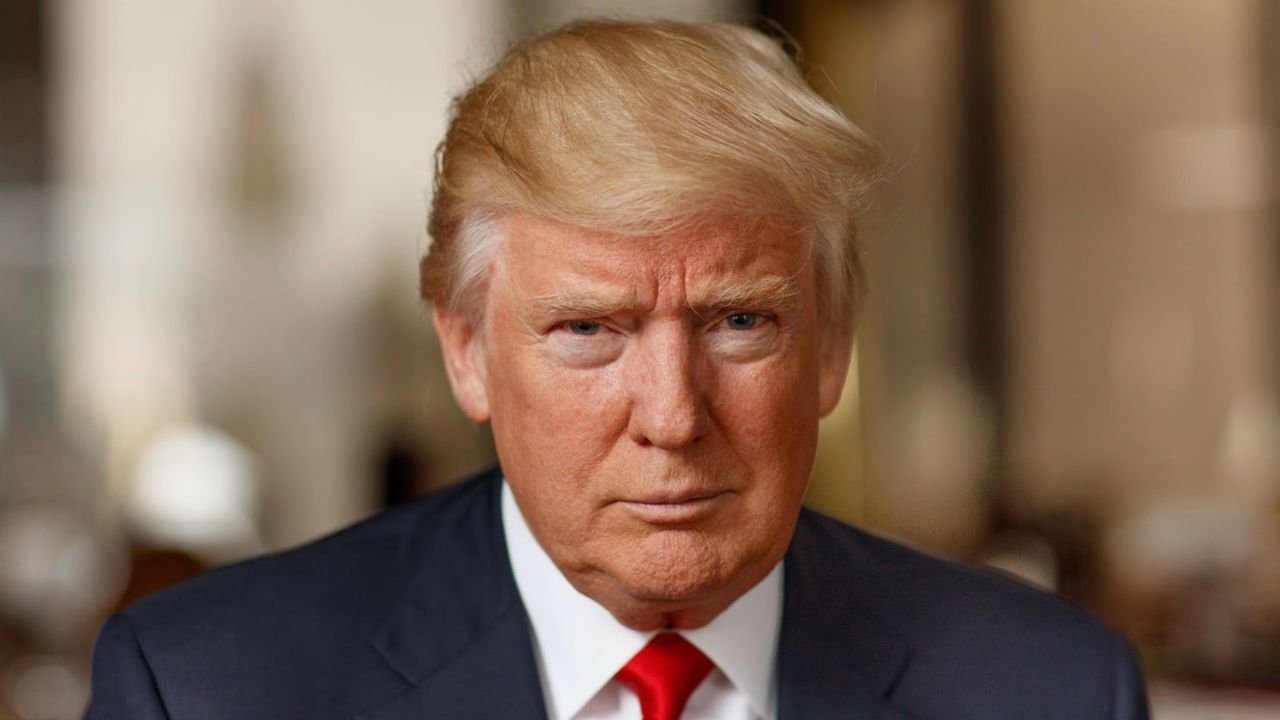

New Delhi: Renewed threats by US President Donald Trump of possible military action against Iran have heightened global geopolitical tensions, forcing New Delhi to assess the potential economic and strategic fallout. While India’s direct trade exposure to Iran remains limited, analysts warn that an escalation could have indirect but significant consequences through higher crude oil prices, disrupted supply chains and pressure on select export sectors.
The latest standoff follows a series of statements from Washington urging Tehran to return swiftly to nuclear negotiations, accompanied by warnings that future military action could be “far worse”. Iran, in response, has rejected talks under threat and signalled that any attack would be treated as an act of war, raising fears of a broader regional conflict.
Certified Cyber Crime Investigator Course Launched by Centre for Police Technology
For India, the immediate concern lies less in bilateral trade volumes and more in second-order effects. In January, the US administration announced a 25% tariff on goods from countries continuing trade with Iran, a move that could heighten competitive pressure on certain Indian exports even as overall exposure remains small.
Official data shows that India’s exports to Iran account for roughly 0.3% of total shipments, while imports are under 0.1%. Exports are dominated by basmati rice, which makes up more than 60% of India’s outbound trade to Iran, followed by tea and other agricultural products. Imports largely consist of fruits and nuts, along with limited crude-linked items.
Credit analysts note that while basmati rice demand is relatively resilient due to its staple status, prolonged instability could disrupt logistics, delay payments and strain working capital cycles for exporters. On the import side, non-essential items such as dry fruits could be quickly substituted if supply routes are affected.
Beyond trade, the larger risk lies in energy markets. Iran accounts for around 4–5% of global crude oil supply, and although India no longer imports Iranian oil directly, any disruption to key shipping routes — particularly the Strait of Hormuz — could trigger sharp spikes in global crude prices. India, which imports the bulk of its oil requirements, remains vulnerable to such shocks.
Market volatility following recent tensions has already underscored this sensitivity, with crude prices briefly jumping before stabilising. Sustained price inflation, analysts warn, would ripple across sectors including oil refining, aviation, petrochemicals, paints, specialty chemicals, flexible packaging and synthetic textiles, depending on companies’ ability to pass on higher costs.
India’s strategic interests are also under scrutiny, most notably its involvement in the Chabahar port project in Iran. The port is a key pillar of New Delhi’s connectivity strategy, offering access to Afghanistan and Central Asia while bypassing Pakistan. India has been seeking a conditional sanctions waiver from Washington to continue operations at the port, but renewed pressure on Tehran could complicate those efforts.
Diplomatically, a wider flare-up would test India’s balancing act between Washington and Tehran. New Delhi has traditionally maintained cautious engagement with both sides, aiming to safeguard its strategic and economic interests without overt alignment. Any escalation could also raise concerns about the safety of Indian nationals working across the Gulf region, where millions are employed.
Ratings agencies have so far said the current situation has not materially impacted Indian corporate credit profiles or trade flows. However, they caution that sharper escalation — particularly involving maritime disruptions or sustained oil price shocks — could alter that assessment rapidly.
Policy watchers say India’s relative insulation from Iran compared to the past offers some buffer, but not immunity. The globalised nature of energy markets and supply chains means geopolitical shocks in West Asia inevitably transmit to domestic inflation, fiscal balances and growth dynamics.
For now, New Delhi is closely monitoring developments, engaging diplomatically where possible and preparing contingency assessments. As tensions rise, the episode serves as a reminder that even limited direct exposure cannot fully shield an import-dependent economy from the fallout of global geopolitical conflict.
About the author — Suvedita Nath is a science student with a growing interest in cybercrime and digital safety. She writes on online activity, cyber threats, and technology-driven risks. Her work focuses on clarity, accuracy, and public awareness.
