
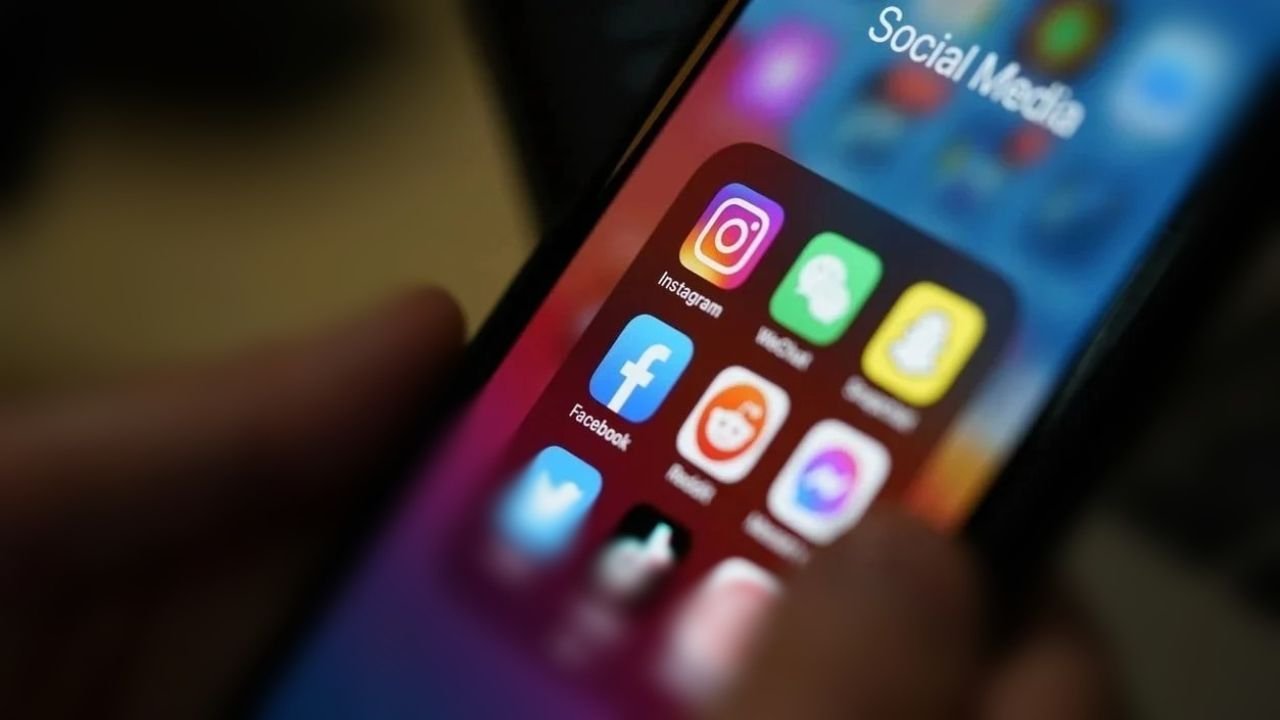
For the first time, major social media companies will face a full courtroom hearing in the United States over allegations that their platforms have harmed children’s mental health. A top court in Los Angeles, California, is set to hear a lawsuit filed by Karen Glenn, the mother of a 19-year-old identified as KGM, accusing some of the world’s largest technology firms of deliberately designing addictive products that negatively affected her son’s psychological wellbeing.
The defendants include Meta, TikTok, Snap, Google and YouTube, which have repeatedly denied claims that their services cause mental health damage among children and adolescents. The upcoming hearing is being closely watched by parents, health experts and regulators, as it could reshape how technology companies are held responsible for the impact of their products on minors.
Certified Cyber Crime Investigator Course Launched by Centre for Police Technology
Core allegations against companies
In her petition, Glenn alleges that social media companies knowingly developed engagement-driven technologies that keep children scrolling for extended periods. According to the lawsuit, these systems were designed to maximise screen time rather than safeguard young users.
The complaint argues that excessive exposure has directly affected children’s sleep patterns, learning ability, emotional stability and self-confidence. It further alleges that by offering their platforms for free, companies strengthened addiction-based models while failing to invest adequately in child safety mechanisms.
Glenn’s legal team has maintained that companies have a duty of care toward young users, a responsibility they allegedly failed to meet despite mounting evidence of harm.
Evidence cited from research
The lawsuit draws support from multiple academic and public health studies. A report from the University of North Carolina has previously warned that excessive social media use can impair children’s cognitive development, reasoning skills and attention span.
Findings from the Stanford School of Medicine have highlighted rising cases of irritability, anxiety, restlessness and anger among children heavily exposed to social media platforms. A Pew Research Center survey further revealed that 48% of teenagers acknowledged that social media has a negative impact on their mental health.
Health experts and parent groups argue that these warnings were consistently downplayed or ignored by companies, even as concerns escalated globally.
A mother’s struggle
According to court filings, KGM began using social media at the age of 10. Glenn said she made repeated efforts to limit her son’s exposure, including installing third-party applications to block access. Despite these measures, the teenager continued to use social media platforms extensively.
The lawsuit claims that prolonged exposure contributed to emotional distress and self-harm tendencies, leaving the family in a prolonged state of fear and helplessness. Glenn argues that parents are being forced to fight technology designed to override safeguards and parental controls.
Why this trial matters
Legal experts say the case marks a turning point. While social media firms have previously faced congressional scrutiny and public criticism, this is among the first instances where a court will hear detailed testimony on algorithmic design, addiction mechanisms and child safety failures.
Advocates believe the case could set legal precedents affecting how platforms design content, recommend videos and target young users.
Settlements raise questions
Ahead of the trial, TikTok and Snap reportedly entered into confidential settlements, a move observers say may have implications for other technology firms facing similar allegations. Campaigners argue that these settlements signal growing legal pressure on the industry.
NGO Heat Initiative chief executive Sarah Gardner said the next six weeks would be crucial. “For the first time, a court will formally listen to parents describe what these platforms have done to their children,” she said, adding that the ruling could influence global regulatory debates.
Industry response and wider impact
While companies have expressed regret in the past before lawmakers and affected families, critics say apologies have not translated into meaningful reforms. Parents’ groups argue that meaningful change will only come when companies face legal consequences.
As the hearing approaches, the case is being seen not just as a legal battle, but as a broader reckoning over how far technology companies should be held accountable for the mental health of the next generation.
The court’s decision, observers say, could resonate far beyond the United States, influencing policy, regulation and corporate responsibility worldwide.
About the author – Rehan Khan is a law student and legal journalist with a keen interest in cybercrime, digital fraud, and emerging technology laws. He writes on the intersection of law, cybersecurity, and online safety, focusing on developments that impact individuals and institutions in India.
