
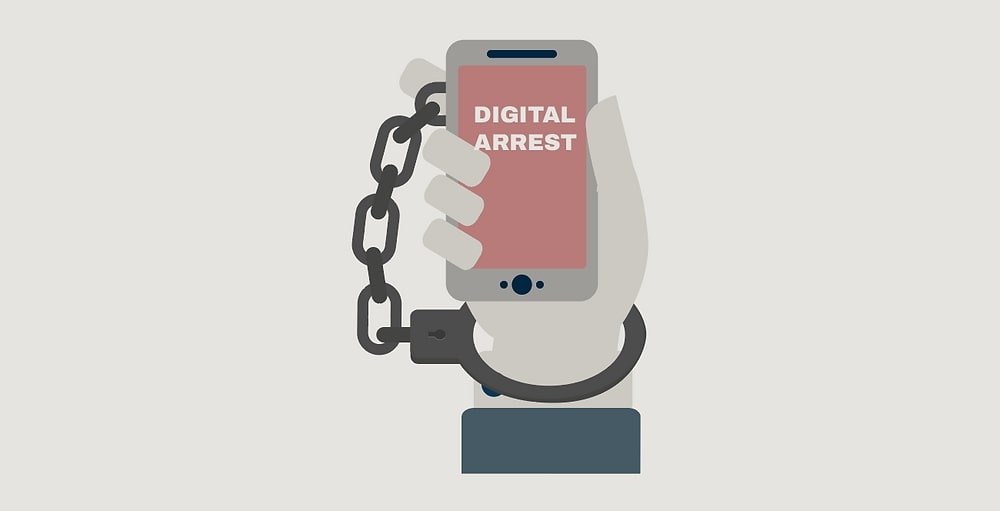
In a major cybercrime breakthrough, cyber police in Bhubaneswar have apprehended a suspect from Uttar Pradesh in connection with a digital fraud case in which a woman was allegedly cheated of around ₹30 lakh after being contacted by a fraudster posing as an official from a government regulatory body.
The arrest comes after the victim lodged a formal complaint at the Bhubaneswar Cyber Police Station, and investigators tracked the accused across state lines. Police seized multiple incriminating items from the suspect, deepening the probe into this example of evolving online deception.
Certified Cyber Crime Investigator Course Launched by Centre for Police Technology
How the Fraud Unfolded
According to police, the victim — whose identity has not been publicly disclosed — was contacted by a person claiming to be an official from the Telecom Regulatory Authority of India (TRAI). The fraudster allegedly warned her that her SIM card was being misused in criminal activities, generating fear and confusion.
Under pressure from these claims, and possibly fearing legal consequences, the victim was coerced into transferring a total of ₹30 lakh across three different bank accounts specified by the fraudster. The transfers were made over multiple days before she became suspicious and approached police.
This kind of deception — where fraudsters impersonate government officials to intimidate victims into transferring money — has become increasingly common in “digital arrest” and impersonation scams nationwide. In similar cases, victims have been told their Aadhaar, bank details or mobile numbers are linked to illegal activities to extract money under threat of legal action.
Arrest of the Suspect in Uttar Pradesh
Following the complaint, cyber investigators carried out technical surveillance and traced the suspect’s activities to Uttar Pradesh. The accused — identified by police as Gulipagi Chiranjib — was taken into custody based on digital evidence connecting him to the fraud.
During the search and seizure operations, police recovered:
- Two mobile phones
- An ATM card
- A cheque book
- A PAN card
- An Aadhaar card
These items are expected to form crucial evidence in the ongoing investigation, including tracing the flow of money and identifying additional accomplices or accounts used in the scheme.
The arrest is seen as a significant development, underscoring the ability of cybercrime units to connect online deception cases to real-world suspects across state borders.
Police Probe and Legal Action
The Bhubaneswar Cyber Police have registered a case under various sections of Indian law related to cybercrime, cheating, and impersonation, including the Information Technology Act, 2000 and relevant sections of the Bharatiya Nyaya Sanhita (BNS) covering fraud and dishonest inducement.
Investigators are now working to:
- Trace the destination accounts where the ₹30 lakh was transferred
- Examine whether stolen funds were further laundered or split among mule accounts
- Identify any co-conspirators or handlers involved in orchestrating the scam
- Review call and message records to map the sequence of coercive contacts used to deceive the victim
As part of the probe, police are also collaborating with banking and telecom partners to retrieve electronic evidence and freeze accounts linked to fraudulent activity.
Warning to Public: How Such Scams Operate
Cybercrime officials stress that fraudsters increasingly:
- Impersonate government regulators, law enforcement, or banks
- Use threatening language to intimidate victims
- Create a sense of urgency or fear of legal action
- Direct victims to transfer money to accounts alleged to be “secure” or “investigative”
These tactics are part of a broader trend of “digital arrest” scams, where victims are manipulated via calls, WhatsApp messages or spoofed official documentation.
Police recommend that if anyone receives such calls:
- Do not share sensitive personal or banking information
- Verify the caller’s identity through official channels
- Avoid transferring money based on threats or pressure
- Report immediately to the National Cyber Crime Reporting Portal or local cyber police
Cybercrime has become increasingly sophisticated, and early reporting often helps authorities track fraudsters before more victims are targeted.
About the author – Ayesha Aayat is a law student and contributor covering cybercrime, online frauds, and digital safety concerns. Her writing aims to raise awareness about evolving cyber threats and legal responses.
