

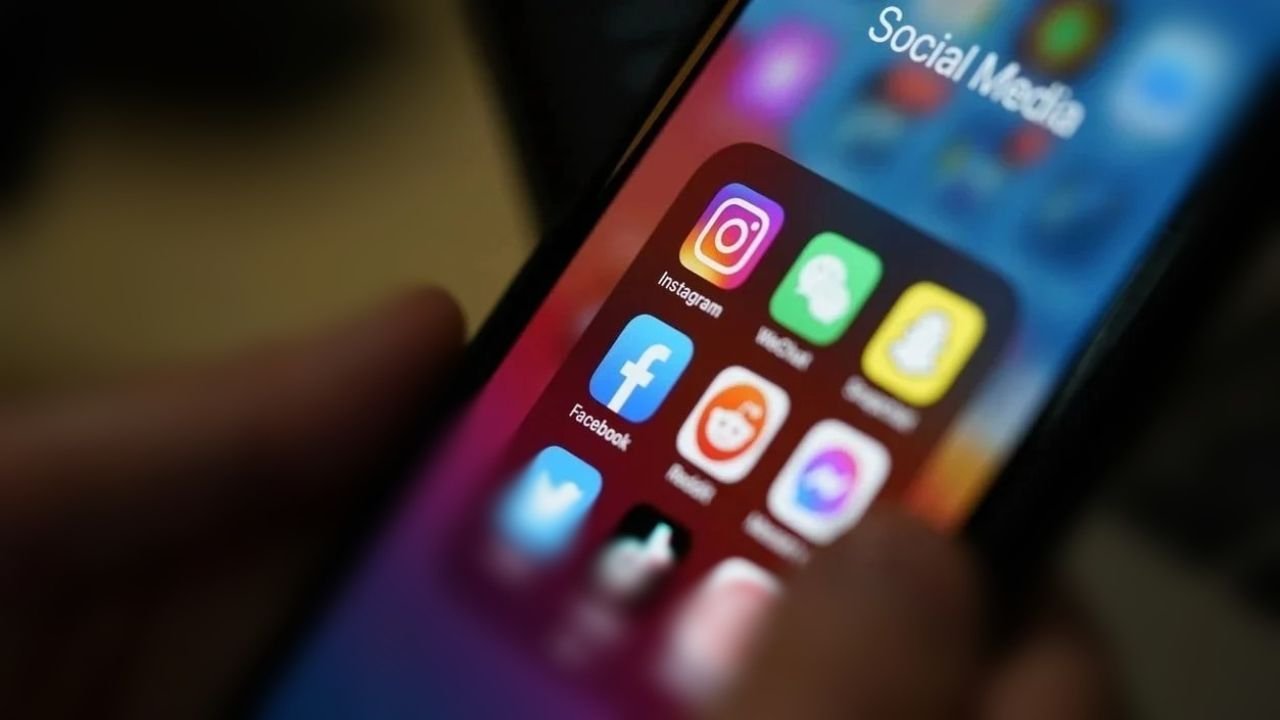

Amaravati: The Andhra Pradesh government has constituted a ministerial panel to examine possible restrictions or a ban on social media access for children below the age of 16, officials said on Friday. The move comes amid rising concerns about online abuse, harmful content and child safety on digital platforms, drawing inspiration from similar age-limit laws being considered internationally.
State Home Minister Vangalapudi Anitha announced that a Group of Ministers (GoM) — headed by IT and Human Resource Development Minister Nara Lokesh — has been tasked with studying global and domestic models on age-based social media regulation. The panel is expected to submit its recommendations to the Chief Minister’s Office within a month.
Certified Cyber Crime Investigator Course Launched by Centre for Police Technology
Panel to Study International and National Models
According to officials, the GoM will examine various frameworks adopted by other governments to regulate or restrict social media use by minors. One key reference point is Australia’s recently enacted legislation, which sets 16 years as the minimum age for social media access and holds platforms responsible for enforcing age compliance.
Anitha said the panel will also analyse models being followed by other state governments in India and global jurisdictions to identify best practices that could be adapted for Andhra Pradesh. She added that recommendations may include not only age limits, but also potential age-verification mechanisms and implementation strategies that balance child safety with digital access.
Addressing Online Abuse and Child Safety
The government’s initiative reflects growing anxiety among policymakers about the impact of social media on children’s mental and emotional well-being. Critics of unfettered social media access argue that young teenagers may be exposed to inappropriate content, cyberbullying, misinformation and online predators before they possess sufficient maturity to navigate these risks.
IT Minister Nara Lokesh has previously indicated that younger users may lack “the cognitive and emotional maturity” to fully understand and contextualise what they encounter online, pointing to potential harms that could affect psychological development. The proposed study panel aims to assess such concerns in detail and recommend proportionate safeguards.
Scope and Timeline of Recommendations
The Group of Ministers includes multiple cabinet members, with Anitha and Health Minister Satya Kumar among those participating in the study process. Officials said the panel’s mandate is not limited to examining an outright ban; it will explore a range of regulatory options, from age verification systems and parental controls to phased restrictions on certain platforms.
Anitha stated that the panel’s findings, including suggested measures and legal options, will be compiled into a report for consideration by both the state and the central government. The government may also consult other stakeholders, including child welfare experts, legal authorities and technology platform representatives, before finalising policy proposals.
Political and Legal Considerations
While the move has been welcomed by some child welfare advocates, it may face legal and constitutional scrutiny. Limiting access to social media — which is widely regarded as a form of digital speech and connection — raises questions about freedom of expression, enforcement challenges and jurisdictional authority within India’s federal structure. Experts note that any regulation must carefully balance child protection goals with fundamental rights and technological feasibility.
The Telugu Desam Party (TDP), which leads the state government, has publicly supported the initiative, framing it as a proactive step to protect children from harmful online influences. Whether the panel will recommend an outright ban akin to Australia’s model, or a set of graduated protective measures, remains to be seen.
Next Steps
With the panel expected to submit its recommendations within a month, analysts say the issue could become a flashpoint in broader debates over digital safety, children’s rights and regulatory frameworks for social media in India. The Andhra Pradesh government’s approach may also influence other states and the Centre as policymakers wrestle with how to protect minors in an increasingly connected world.
About the author — Suvedita Nath is a science student with a growing interest in cybercrime and digital safety. She writes on online activity, cyber threats, and technology-driven risks. Her work focuses on clarity, accuracy, and public awareness.
