

NEW DELHI: Indian investigators say a once-prominent textile and infrastructure company was hollowed out from within, its books manipulated and assets diverted as lenders watched their exposure collapse. At the center of the case is a former promoter now in custody, accused of orchestrating a complex web of shell companies and forged transactions in the years leading up to insolvency.
A Company’s Unraveling Before Insolvency
In the months before insolvency proceedings formally began, investigators allege that key assets of Richa Industries Limited were systematically diverted. According to enforcement agencies, Sandeep Gupta, then a promoter and senior executive of the company, played a central role in the movement of funds and assets away from the corporate debtor just ahead of the Corporate Insolvency Resolution Process, or CIRP.
Authorities say a network of shell entities was created to facilitate those transfers. One such company, Saariga Constructions Private Limited, was set up using the credentials of a former employee of Richa Industries. The entity later emerged as a significant presence in the insolvency process, raising questions about how it obtained its position and influence.
Investigators have framed these moves as part of a coordinated effort to weaken the company’s balance sheet while preserving control in less visible ways. The alleged transactions, they say, were not isolated bookkeeping irregularities but part of a broader pattern that unfolded over several years.
Certified Cyber Crime Investigator Course Launched by Centre for Police Technology
Voting Rights and Control During CIRP
As insolvency proceedings moved forward, Saariga Constructions was said to have secured voting rights in the Committee of Creditors, a body that determines the course of a distressed company’s resolution. Enforcement officials allege those rights were obtained fraudulently, allowing the Gupta family to influence decisions during the CIRP.
During this period, authorities contend, Sandeep Gupta and his family retained unlawful control over Richa Industries’ operations. Investigators say agreements were entered into and remuneration was drawn despite statutory restrictions that apply once insolvency proceedings are underway.
The agency has cited these actions as violations of insolvency norms, arguing that they undermined the integrity of the resolution process itself. The alleged control persisted even as lenders and other stakeholders sought clarity on the company’s true financial position.
Liquidation, Auction, and the Cost to Lenders
The CIRP ultimately failed to produce an approved resolution plan. On June 11, 2025, the National Company Law Tribunal ordered the liquidation of Richa Industries and appointed a liquidator to oversee the process. Several months later, on October 16, 2025, the company’s assets were put up for e-auction with a reserve price of ₹96 crore.
A consortium led by Kaveri Industries, along with Narendra Kumar Srivastava, emerged as the successful bidder. For public sector lenders, however, the outcome reflected steep losses. Indian Overseas Bank and Union Bank of India together received ₹40.29 crore against admitted claims totaling ₹696 crore, amounting to a haircut of roughly 94 percent.
The scale of that loss has figured prominently in subsequent investigations, with agencies examining how the company’s financial position deteriorated so sharply despite years of reported turnover.
Forged Records and Alleged Fund Diversions
Enforcement officials say a forensic review of invoices and ledger entries revealed extensive manipulation. According to the agency, invoices were forged and outstanding balances adjusted through inter-division transfers to conceal the non-receipt of payments. These practices, investigators allege, artificially inflated turnover and misrepresented the company’s financial health to lenders and other stakeholders.
The agency has also pointed to specific transactions it describes as fictitious. Richa Industries is accused of booking bogus purchases of Zero Liquid Discharge plants and machinery worth ₹9.23 crore from a non-operational entity whose tax registrations and business profile did not align with such supplies. Between the 2015–16 and 2017–18 financial years, about ₹16.40 crore was allegedly siphoned off to group entities under the guise of loan repayments.
In 2018–19, company funds were used to acquire a controlling interest in Richa Krishna Constructions Private Limited, a move investigators say diverted a valuable project in Rohtak during the insolvency process. Shares of Richa Infrastructure were also transferred at what authorities described as a “gross undervaluation,” causing further losses to the parent company.
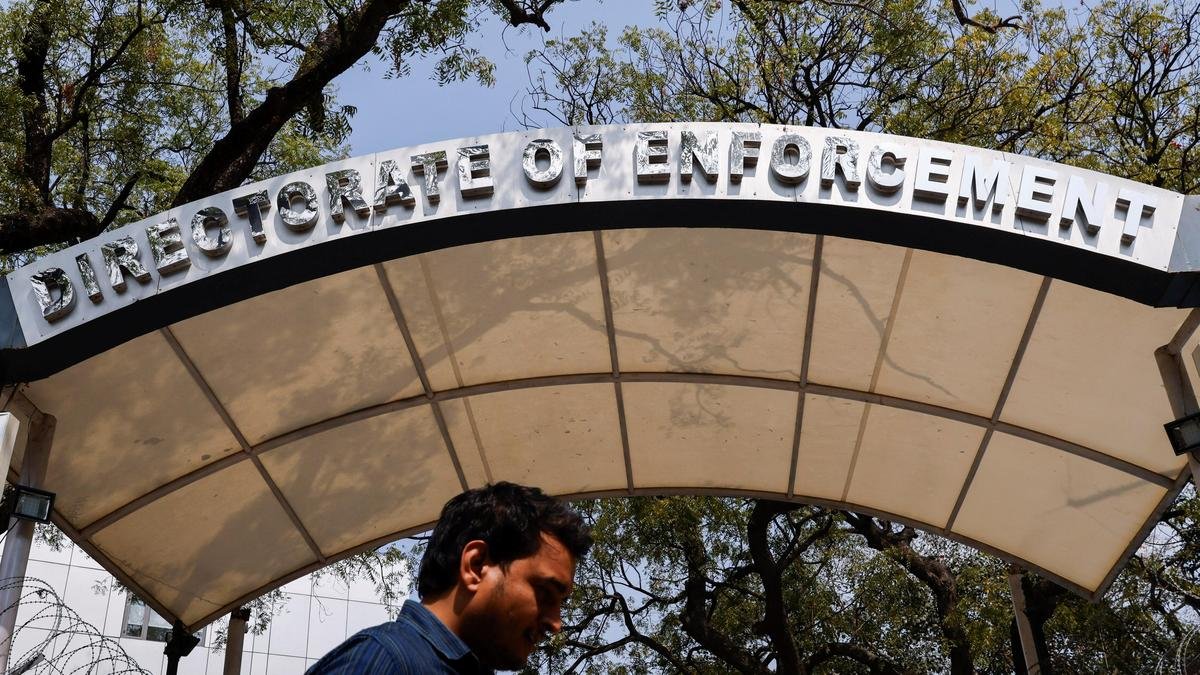
The Enforcement Directorate has arrested Mr. Gupta and taken him into custody for questioning. He was produced before a court in Gurugram and remanded to ED custody
Follow for daily updates on cybercrime, corporate fraud, DFIR, hacking, investigations, and digital forensics
