

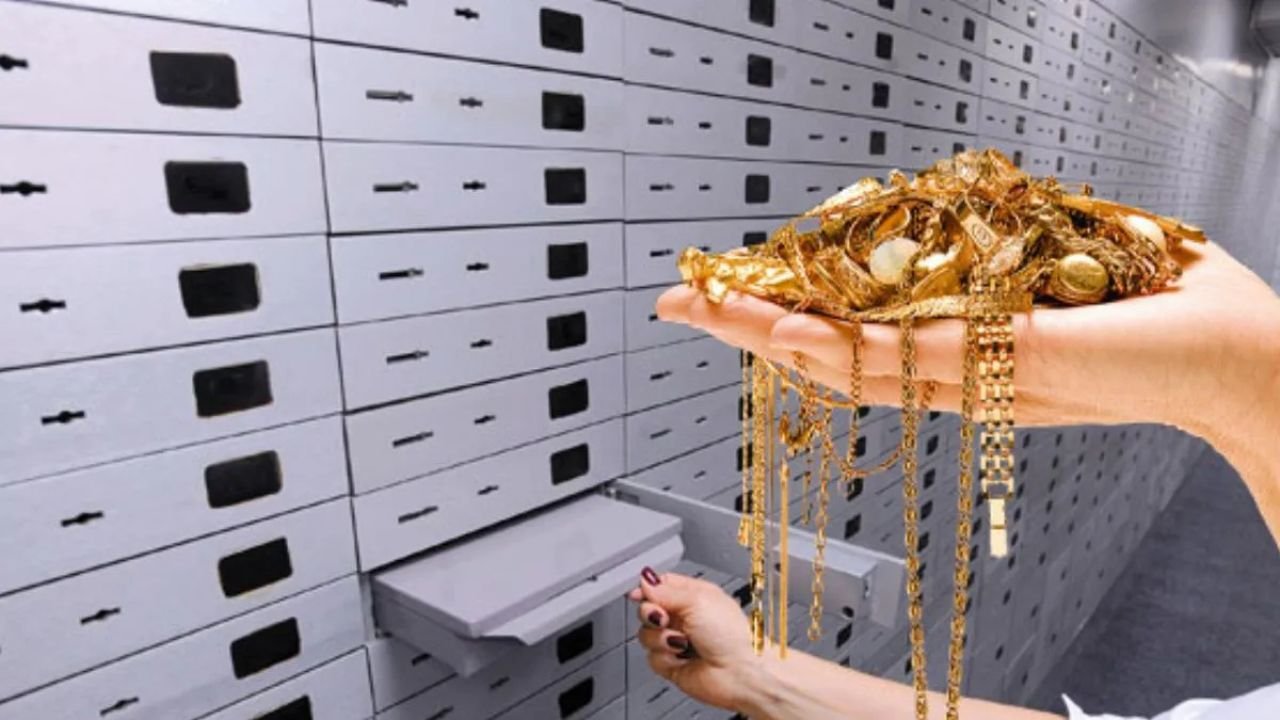

On January 12, Babita Sinha walked into a nationalised bank branch in Kapoorthala, in Lucknow’s Aliganj area, to access a locker she had jointly held with her late husband, Rajesh Sinha, a businessman. According to her police complaint, the locker had long been used to store family gold and silver jewellery—assets she estimates were worth nearly ₹1.5 crore.
When the locker was opened, she found it completely empty. “All the jewellery was missing,” she later told the police. Bank officials were alerted immediately, and an internal verification was initiated. But the exercise yielded no explanation, and no trace of the ornaments was found within the branch.
Within days, Ms. Sinha approached the Aliganj police station, lodging a formal first information report that alleges theft and names unknown bank employees as suspects.
Certified Cyber Crime Investigator Course Launched by Centre for Police Technology
Police Probe Focuses on Internal Access
Investigators say the absence of any visible damage to the locker has sharpened attention on internal processes rather than an external break-in. “There are no signs of forced entry or tampering from outside,” said Ashok Kumar Sonkar, the station house officer at Aliganj. “We are trying to establish how and when the jewellery went missing.”
The police have begun recording statements from bank staff, including officials responsible for locker operations. Locker access logs, CCTV footage, and branch records are being examined to reconstruct the sequence of events and determine whether protocol was breached.
Bank lockers, while widely perceived by customers as among the safest repositories for valuables, are typically accessed through a combination of customer keys and bank-controlled master mechanisms—making the integrity of internal safeguards central to security.
A Gold Loan Raises New Questions
Complicating the case is the discovery of a gold loan taken out in the name of Ms. Sinha’s late husband—an arrangement she says she was unaware of. Police are now investigating whether the missing jewellery may have been used as collateral for the loan, and if so, under what circumstances.
Investigators are probing whether documents were forged, consent was improperly obtained, or internal bank procedures were misused after Mr. Sinha’s death. “We are examining the timing of the loan and the custody of the ornaments,” a police official said, adding that no conclusions had yet been drawn.
The overlap between the missing locker contents and the unexplained loan has widened the scope of the inquiry, bringing scrutiny not just to physical access but also to account-level transactions.
Trust, Safekeeping and Accountability
The case has unsettled customers in the area, many of whom rely on bank lockers as a last line of protection for family wealth accumulated over generations. Unlike deposits, locker contents are not insured, and legal responsibility in cases of loss often hinges on proving negligence or misconduct.
For now, the investigation remains open-ended. Police say forensic review of digital and physical records could take time, particularly if the alleged theft occurred over an extended period rather than in a single incident.
As authorities work to establish accountability, the case has become a stark reminder of the fragile trust that underpins everyday banking—and how its breach can leave customers searching not only for their valuables, but for answers.
About the author — Suvedita Nath is a science student with a growing interest in cybercrime and digital safety. She writes on online activity, cyber threats, and technology-driven risks. Her work focuses on clarity, accuracy, and public awareness.
