
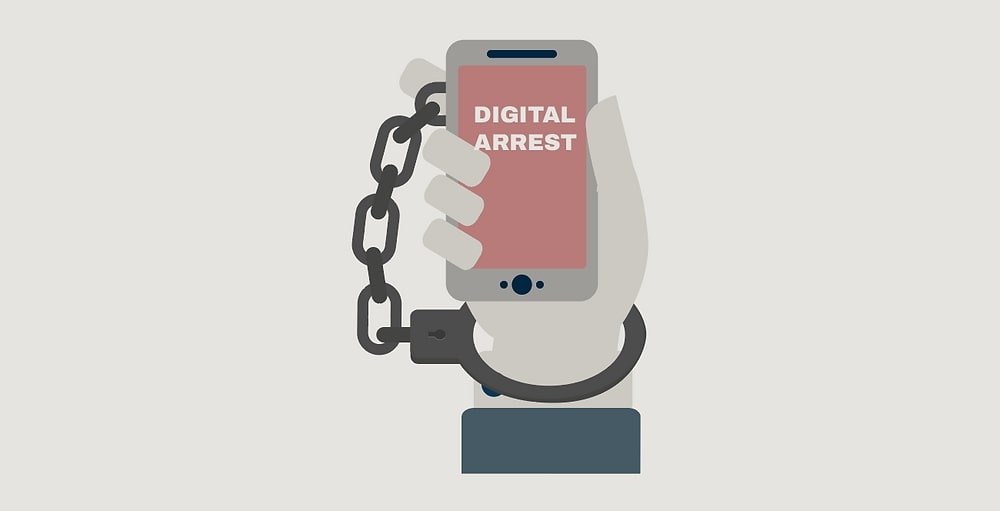
In a stunning third strike against Cambodia’s digital terror factories, Delhi Police Intelligence Fusion & Strategic Operations (IFSO) unit arrested two Uttar Pradesh mule operators linked to ₹15 crore fraud that held South Delhi’s elite NRI doctor couple under 21-day WhatsApp surveillance prison. The operation recovered ₹1 crore cash, 12 mule accounts, passbooks, cheque books—largest single-recovery in IFSO’s blitz against cross-border cyber syndicates.
Certified Cyber Crime Investigator Course Launched by Centre for Police Technology
Anatomy of the ₹15 Cr Psychological Siege
Prestigious South Delhi medical professionals (identities protected) became Cambodia call centre’s highest-value targets in late December 2025. The textbook three-phase digital arrest playbook unfolded with surgical precision:
- Phase 1 – Telecom Trap: Fraudsters posed as TRAI regulators demanding urgent “account verification” via malicious links.
- Phase 2 – Agency Escalation: Callers switched to Lucknow Police/CBI identities, alleging money laundering + Aadhaar misuse with fabricated case numbers.
- Phase 3 – Total Digital Control: 24/7 WhatsApp video surveillance confined victims to home, draining ₹15 crore through repeated transfers while fake “CBI lawyer” applied psychological torture.
UP Mule Empire Crumbles Under IFSO Heat
IFSO’s technical surveillance mastery traced laundered funds from NRI doctors’ accounts → 12 Uttar Pradesh mule accounts → Cambodia crypto conversion. Dawn raids yielded:
• 12 active mule bank accounts
• Multiple passbooks/cheque books
• Transaction ledgers (victim databases)
• Device fingerprints (Cambodia server links)
DCP Vineet Kumar confirmed: “Real-time blockchain tracing + banking intelligence crushed Cambodia’s money trail within 72 hours.” Forensic analysis reveals script libraries, VoIP numbers, victim spreadsheets for nationwide operations.
Cambodia’s Delhi Doctor Harvest: IFSO’s 5-Day ₹24 Cr Takedown
IFSO’s blitzkrieg exposes Cambodia’s surgical focus on India’s medical elite:
Jan 16: GK businesswoman ₹6.9 Cr (3 RTGS transfers)
Jan 18: NRI doctors ₹15 Cr (2 UP mules, ₹1 Cr cash)
TOTAL IMPACT: ₹24.09 Cr in 120 hours
Pattern analysis: Kerala/Malappuram handlers → UP/Bihar mules → Cambodia control with psychological warfare sophistication rivaling state intelligence operations.
Target Profile: Why Doctors Bleed Most
Cambodia syndicates perfected high-value victim selection:
- NRI doctors (liquid overseas assets + prestige pressure)
- South Delhi addresses (social compliance leverage)
- Senior professionals (time-constrained, reputation-sensitive)
- Isolated couples (no immediate family intervention)
IFSO digital forensics uncovered victim ranking algorithms prioritizing net worth + accessibility + psychological vulnerability. “Doctors don’t negotiate—they comply,” revealed seized intelligence.
Mule Account Architecture: Cambodia’s Banking Bypass
UP arrests exposed layered laundering:
Layer 2: 12 UP mules (rapid 24-hour rotation)
Layer 3: Kerala crypto converters (USDT via Binance)
Layer 4: Cambodia servers (final clean wash)
IFSO innovation: AI-powered transaction velocity analysis flagged mule patterns before standard banking alerts, enabling pre-emptive freezing. ₹1 crore cash seizure proves physical recovery viability.
National Security Implications: Cyber-Terror Convergence
IFSO warns Cambodia operations mirror China-Pakistan sleeper cell infrastructure:
- VoIP/SIM box networks (undetectable call origins)
- Psychological warfare (digital arrest SOPs)
- Crypto laundering (USDT global instant transfer)
- Victim databases (pan-India targeting)
DCP Vineet Kumar: “₹15 Cr recovery signals Cambodia networks—your banking trails lead back to Delhi.” International coordination with MEITy/CERT-In targets server infrastructure.
Enforcement Blueprint: IFSO’s 3-Pronged Counterstrike
Delhi’s cyber warfare countermeasures:
- 1. TECHNICAL: Real-time blockchain + AI velocity tracking
- 2. TACTICAL: Interstate mule hunting (UP/MP/Bihar raids)
- 3. STRATEGIC: Cambodia server IP dismantling
Public advisory: 1930 helpline verification—”Genuine agencies never demand digital payments.” IFSO victim recovery rate: 24% in 2026 (national average 8%).
Cambodia’s ₹15 Cr miscalculation: Underestimating Delhi’s fusion of cyber intelligence + street-level enforcement. Further arrests imminent as device forensics map complete syndicate structure.
About the author – Rehan Khan is a law student and legal journalist with a keen interest in cybercrime, digital fraud, and emerging technology laws. He writes on the intersection of law, cybersecurity, and online safety, focusing on developments that impact individuals and institutions in India.
