

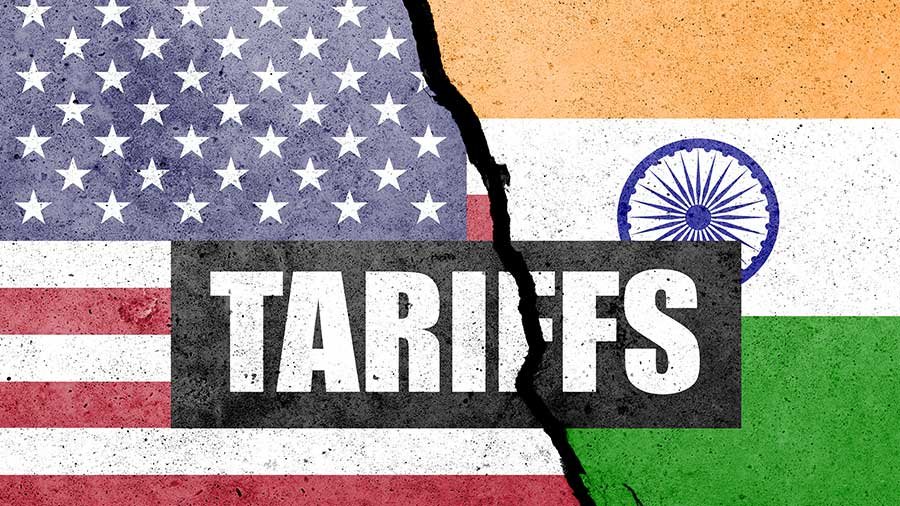
India has imposed a 30% import duty on pulses and lentils originating from the United States, a move that has introduced a new point of friction in bilateral trade relations. The decision is widely viewed as a retaliatory measure following higher tariffs imposed earlier by the U.S. on certain Indian products. Official sources said the tariff has been in effect since October last year, though it was implemented without public announcement.
Policy circles interpret the move as a clear signal of India’s intent to safeguard domestic agricultural interests while asserting its trade autonomy. Pulses form a staple component of India’s food consumption, and the country is regarded as the world’s largest consumer of these commodities, giving it significant influence in global pulse markets.
Certified Cyber Crime Investigator Course Launched by Centre for Police Technology
Emphasis on trade balance
According to official assessments, the tariff decision is not merely retaliatory but is rooted in long-term concerns over trade balance and market stability. India has consistently argued that uneven tariff structures in agricultural trade can adversely affect domestic farmers and disrupt local markets.
In the case of pulses, the import duty has been calibrated to support domestic production while preventing market distortions caused by low-cost imports. Trade analysts note that India’s consumption patterns play a decisive role in global demand, and any policy shift by India inevitably sends signals to exporting countries.
Concerns in the U.S. agricultural sector
Media reports indicate growing unease within U.S. legislative and agricultural circles over the impact of India’s tariff decision. Pulse-producing regions in the U.S. fear that restricted access to the Indian market could weaken their competitive position, particularly for products such as lentils, peas and dry beans.
India is widely recognised as one of the largest destination markets for pulses, and exporters have argued that higher duties could lead to reduced shipments and financial losses. Indian officials, however, maintain that the tariff complies with international trade norms and falls within the scope of permissible measures to protect domestic interests.
Implications for trade negotiations
Experts caution that the move could complicate ongoing efforts to advance broader trade negotiations between India and the United States. While both sides have expressed interest in expanding bilateral trade and exploring a comprehensive trade arrangement, disagreements over tariffs, agricultural access and market reciprocity have persisted.
Indian officials have indicated that any future agreement must address sensitive sectors such as agriculture with care. They have reiterated that unilateral concessions are neither sustainable nor consistent with long-term economic objectives.
Global trade context
Trade specialists view the development as part of a broader global trend marked by rising protectionism and increased reliance on tariff-based policy tools. Across regions, governments are seeking to shield domestic producers from external shocks, leading to greater strain on multilateral trade frameworks.
India’s decision underscores its willingness to adopt firm positions on issues linked to food security and farmer welfare, even at the risk of short-term diplomatic friction. Analysts suggest that such measures are likely to become more common as countries reassess supply chain vulnerabilities and domestic economic priorities.
The road ahead
Officials said India remains open to dialogue and engagement, provided negotiations are guided by principles of reciprocity and fairness. The tariff on pulses will remain under periodic review and could be recalibrated depending on future trade discussions and policy outcomes.
For now, the move is being seen as a definitive statement of intent in India’s trade policy—one that prioritises domestic agriculture and strategic balance over expedient compromises. The coming months are expected to test how both countries navigate these differences while seeking to preserve the broader trajectory of economic cooperation.
About the author – Ayesha Aayat is a law student and contributor covering cybercrime, online frauds, and digital safety concerns. Her writing aims to raise awareness about evolving cyber threats and legal responses.
Follow for daily updates on cybercrime, corporate fraud, DFIR, hacking, investigations, and digital forensics
