


A viral allegation of mass H-1B visa fraud in Texas, amplified by a departing Republican lawmaker, has revived long-running battles over skilled immigration, misinformation and the political use of unverifiable claims.
A Viral Claim Finds a Powerful Amplifier
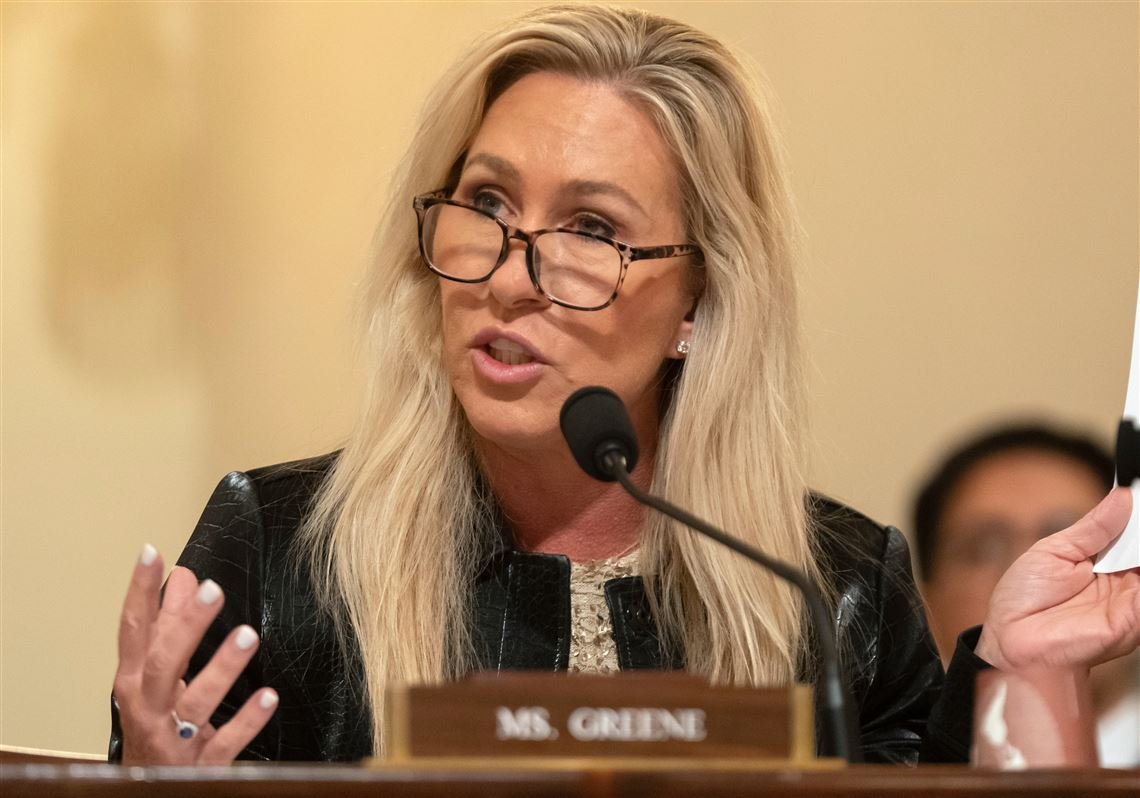
Earlier this month, Marjorie Taylor Greene, a longtime supporter of Donald Trump who has recently broken publicly with him, circulated a video on X that alleged sweeping abuse of the H-1B visa system in North Texas. In a caption accompanying the post, Ms. Greene asserted that “one immigration attorney” had brought in more than 700,000 H-1B visa holders in 2025 alone.
The claim, attributed to an online influencer whose video Ms. Greene reshared, suggested that hundreds of thousands of foreign workers—many allegedly from India—had been funneled into Texas through shell companies operating out of single-family homes. The influencer further alleged that these entities had received government funding, and claimed that demographic changes in North Texas reflected the scale of the purported scheme.
No independent evidence was offered in the video to substantiate the figures, which would far exceed the total number of H-1B visas issued nationwide in any single year.
Certified Cyber Crime Investigator Course Launched by Centre for Police Technology
The Legislative Push to End H-1B
Days earlier, Ms. Greene had taken her opposition to skilled immigration a step further on Capitol Hill. On January 2, she introduced House Resolution 6937, a bill that seeks to eliminate the H-1B visa category entirely by amending the Immigration and Nationality Act.
The measure, formally titled “To amend the Immigration and Nationality Act to eliminate the H-1B program, and for other purposes,” was referred to the House Judiciary Committee, as well as the Energy and Commerce Committee and the Ways and Means Committee. The H-1B program allows U.S. employers to hire foreign workers in specialty occupations and has long been a flashpoint in debates over labor shortages, wages and globalization.
“If Republicans were serious about stopping it, they would pass my bill HR 6937,” Ms. Greene wrote, framing the legislation as a test of the party’s commitment to an “America First” immigration agenda.
Scrutiny Without Corroboration
Despite the attention the allegations have received online, there have been no corroborating reports in major American news outlets or disclosures from federal agencies supporting the claim that hundreds of thousands of H-1B visas were approved through a single lawyer or cluster of companies in Texas.
The influencer whose claims Ms. Greene amplified alleged that the visa applications were processed by a Dallas-based immigration attorney, Chand Parvathaneni, asserting that roughly 400,000 H-1B applicants were approved through him by 2024, with approvals rising to about 700,000 in 2025. The statements were presented without documentary evidence or official data.
U.S. Citizenship and Immigration Services publishes annual statistics on H-1B filings and approvals, which historically number in the tens of thousands, constrained by statutory caps. The scale described in the viral video would represent a dramatic departure from those limits.
Immigration Politics in an Election Year
The episode unfolded against a backdrop of renewed immigration enforcement rhetoric from the Trump administration, which recently announced stricter rules for the H-1B program, including a sharply higher financial threshold for certain applicants. Supporters have described the changes as a deterrent to abuse; critics argue they function as a de facto barrier to skilled migration.
Ms. Greene, who resigned from Congress earlier this month, has increasingly used social media to press her case, blending legislative action with online amplification of claims that resonate with segments of the Republican base. The controversy illustrates how immigration policy debates—particularly those involving complex visa systems—are being shaped not only by laws and regulations, but by viral narratives whose reach can outpace verification.
