

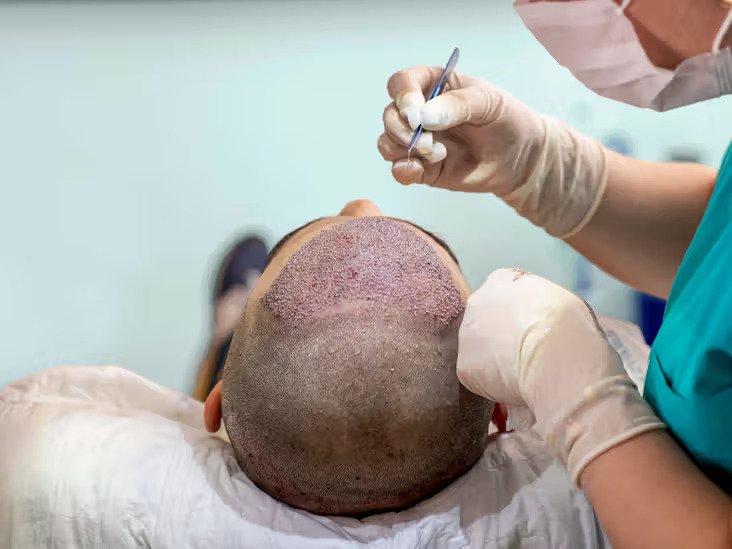
The Centre is preparing to introduce stringent regulations for the hair transplant industry, moving the procedure firmly into the domain of medical surgery. The step follows a rising number of complaints, the proliferation of illegal clinics and multiple deaths linked to unsafe practices. Under the proposed framework, hair transplants will no longer be permitted in salons or beauty centres and will instead be carried out only in regulated medical settings by qualified doctors.
According to the proposed norms, the procedure will be restricted to certified dermatologists and trained plastic surgeons. The government’s view is that hair transplantation is not a cosmetic service but a surgical intervention involving anaesthesia, invasive techniques and a high risk of infection if performed without proper safeguards. Reclassifying it as a surgical practice is aimed at enforcing uniform safety standards and accountability across the sector.
Certified Cyber Crime Investigator Course Launched by Centre for Police Technology
Officials familiar with the matter said the industry, valued at around ₹2,100 crore annually, has expanded rapidly with limited oversight. Low-cost advertising and aggressive marketing have led to the mushrooming of centres where technicians without medical degrees allegedly perform procedures under the cover of a doctor’s name. Such practices, authorities say, have placed patients at serious risk and eroded trust in the sector.
Modern hair transplant procedures commonly involve Follicular Unit Extraction (FUE) and Direct Hair Implantation (DHI) techniques. Market research agency Mordor Intelligence estimates that nearly 79.5% of the industry’s revenue comes from male patients. India witnesses an estimated 3.5 lakh hair transplant procedures every year, making it one of the fastest-growing cosmetic medical segments in the country.
However, the rapid growth has been accompanied by troubling safety concerns. Since 2016, at least six patient deaths have been linked to complications arising from hair transplant procedures. Officials said many unlicensed and low-cost centres lack basic emergency equipment and are ill-equipped to handle complications related to anaesthesia, bleeding or infection. In several cases, post-operative care is either inadequate or entirely absent.
Medical experts stress that hair transplantation is a complex clinical procedure rather than a routine beauty treatment. It involves making incisions on the scalp, extracting hair follicles from donor areas and implanting them at recipient sites, often under local anaesthesia. Such procedures require a sterile operating environment, infection control protocols and trained surgical staff—conditions rarely met in non-medical establishments such as salons.
The proposed regulatory overhaul also aligns with a May 2022 order of the Delhi High Court, which classified hair transplantation as an aesthetic surgery. The court had ruled that the procedure must be performed only by qualified doctors and only after obtaining informed and written consent from the patient, underscoring the medical risks involved.
In preparation for the new framework, the National Council for Clinical Establishments has drawn up minimum standards for hair transplant clinics. These include mandatory registration, availability of essential medical infrastructure, trained personnel and emergency response facilities. Clinics that fail to meet these benchmarks may be barred from offering the service once the rules come into force.
The Ministry of Health and Family Welfare, however, is not expected to notify the final rules immediately. Officials said the regulations will be formally issued only after the High Court delivers a final verdict on a pending petition related to hair transplant practices. Until then, consultations and internal reviews are likely to continue.
The government maintains that the objective of the proposed changes is not to curb the industry’s growth but to make it safer, more transparent and professionally accountable. By bringing hair transplantation clearly under the ambit of medical surgery, authorities hope to prevent avoidable deaths and ensure that patient safety is placed above commercial considerations.
About the author – Ayesha Aayat is a law student and contributor covering cybercrime, online frauds, and digital safety concerns. Her writing aims to raise awareness about evolving cyber threats and legal responses.
