

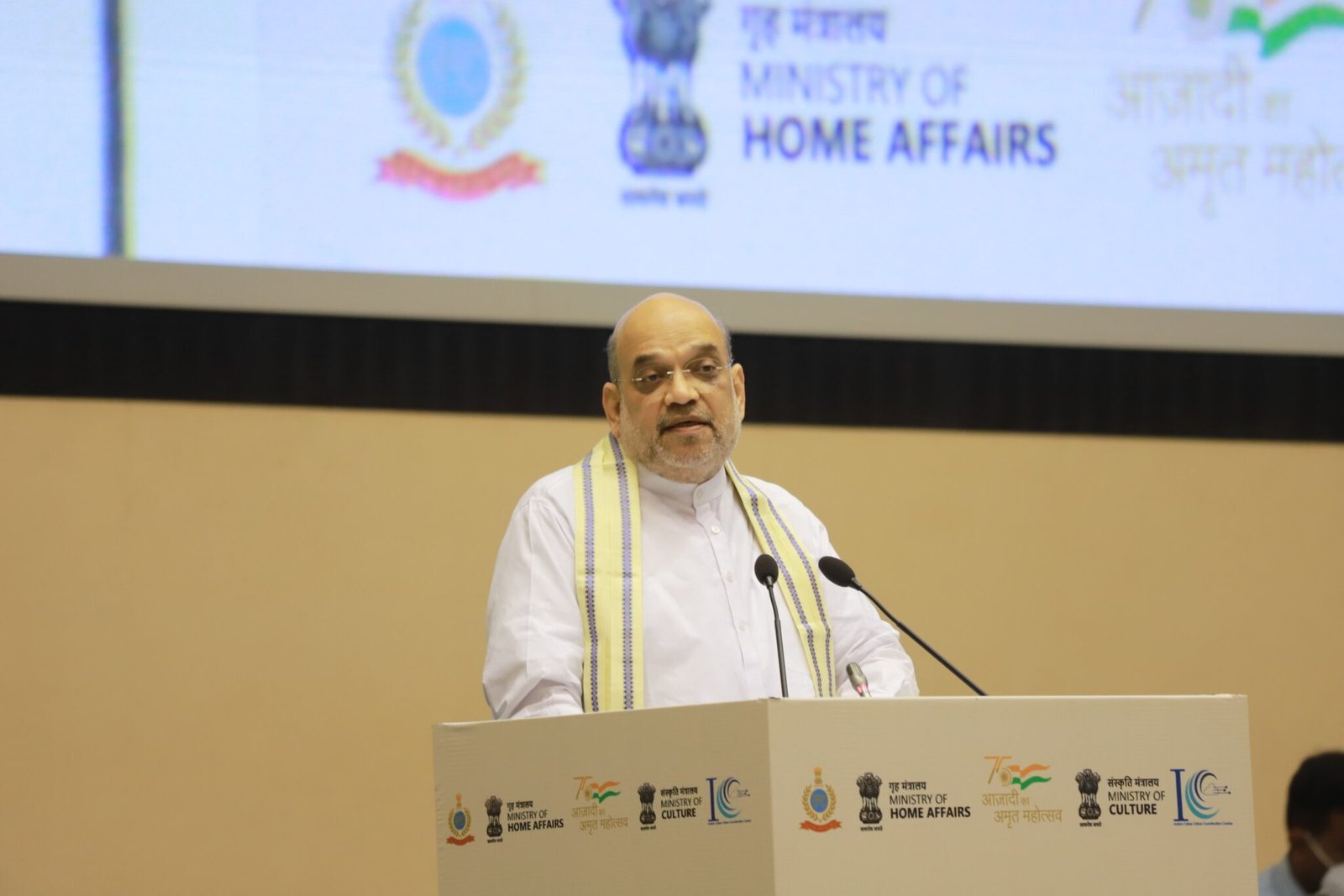
In a major relief for millions of cyber fraud victims across India, the Ministry of Home Affairs (MHA) has approved a comprehensive Standard Operating Procedure (SOP) for the National Cybercrime Reporting Portal’s Cyber Financial Crime Reporting and Management System . This timely intervention promises to expedite refunds in small-value cyber fraud cases involving amounts below ₹50,000, eliminating the cumbersome requirement for court orders and addressing prolonged account freezes that have plagued innocent account holders . As cybercrimes surge, this reform underscores the government’s commitment to victim-centric justice in the digital age.
Certified Cyber Crime Investigator Course Launched by Centre for Police Technology
Core Provisions of the New MHA SOP
The SOP establishes a standardized protocol for all financial intermediaries, including banks, payment aggregators, non-banking financial companies (NBFCs), e-commerce platforms, stock-trading apps, and mutual fund houses, to handle transactions flagged as suspicious via cybercrime complaints . Key highlights include:
Rapid Refunds for Low-Value Frauds: Victims can reclaim funds under ₹50,000 without judicial intervention; banks must lift account freezes within 90 days if no court or restoration order is in place .
Three-Tier Grievance Redressal: A structured escalation mechanism ensures time-bound resolution of complaints related to unjustified fund freezes, providing a clear path from initial reporting to final settlement .
Uniform Compliance Mandate: All entities must follow these guidelines uniformly, reducing discrepancies and delays that previously left victims in limbo amid investigations .
This framework not only accelerates financial recovery but also prevents undue hardship for individuals whose accounts are inadvertently frozen during cyber probes.
Alarming Rise in Cyber Fraud Losses: Data Breakdown
Cyber fraud has inflicted devastating financial blows on Indians, with the Indian Cyber Crime Coordination Centre (I4C)—operating under MHA—reporting cumulative losses exceeding ₹52,976 crore from fraud and cheating cases over the past six years . The escalation is stark:
2025: ₹19,812.96 crore lost across 2,177,524 complaints.
2024: ₹22,849.49 crore from 1,918,852 cases.
2023: ₹7,463.2 crore.
2022: ₹2,290.23 crore.
2021: ₹551.65 crore.
2020: ₹8.56 crore .
These figures highlight the explosive growth in digital scams, fueled by sophisticated tactics like phishing, UPI frauds, and investment cons, making the SOP a critical tool for damage control.
High-Level Committee Targets ‘Digital Arrest’ Menace
Complementing the SOP, MHA has constituted a Supreme Court-mandated inter-departmental panel to dissect the rising threat of ‘digital arrest’ scams, where fraudsters impersonate officials to extort money . Chaired by the Special Secretary (Internal Security), the committee includes representatives from MeitY, DoT, External Affairs, Law & Justice, RBI, CBI, NIA, Delhi Police, and I4C’s CEO as Member-Secretary, with Attorney General R Venkataramani in attendance .
Key focus areas from its inaugural December 29, 2025, meeting:
- Operational Challenges: Reviewing enforcement hurdles and court directives.
- Legal Gaps: Identifying deficiencies in IT Act Section 46 adjudication and Telecom Act rules.
- Investigation Thresholds: CBI’s proposal for monetary limits—high-value cases to central agencies, low-value to states with MHA support.
- Victim Compensation: Fixing accountability on negligent banks, telcos, or entities, ensuring systemic failures do not penalize innocents .
RBI updates include AI-driven fraud detection advisories and an impending SOP for suspicious account freezes. The panel seeks more time, with the next SC hearing on January 20, 2026 .
Implications for Victims and the Legal Landscape
For everyday Indians—from Delhi’s urban professionals to rural UPI users—this SOP marks a shift toward proactive cybercrime response, potentially restoring faith in digital banking . Legal experts note it aligns with calls for balanced investigations under CrPC and IT Act, preventing overreach while pursuing perpetrators. As a law student delving into cyber forensics, this development signals evolving frameworks for digital evidence handling and swift restitution, vital amid India’s booming fintech ecosystem.
About the author – Ayesha Aayat is a law student and contributor covering cybercrime, online frauds, and digital safety concerns. Her writing aims to raise awareness about evolving cyber threats and legal responses.
