

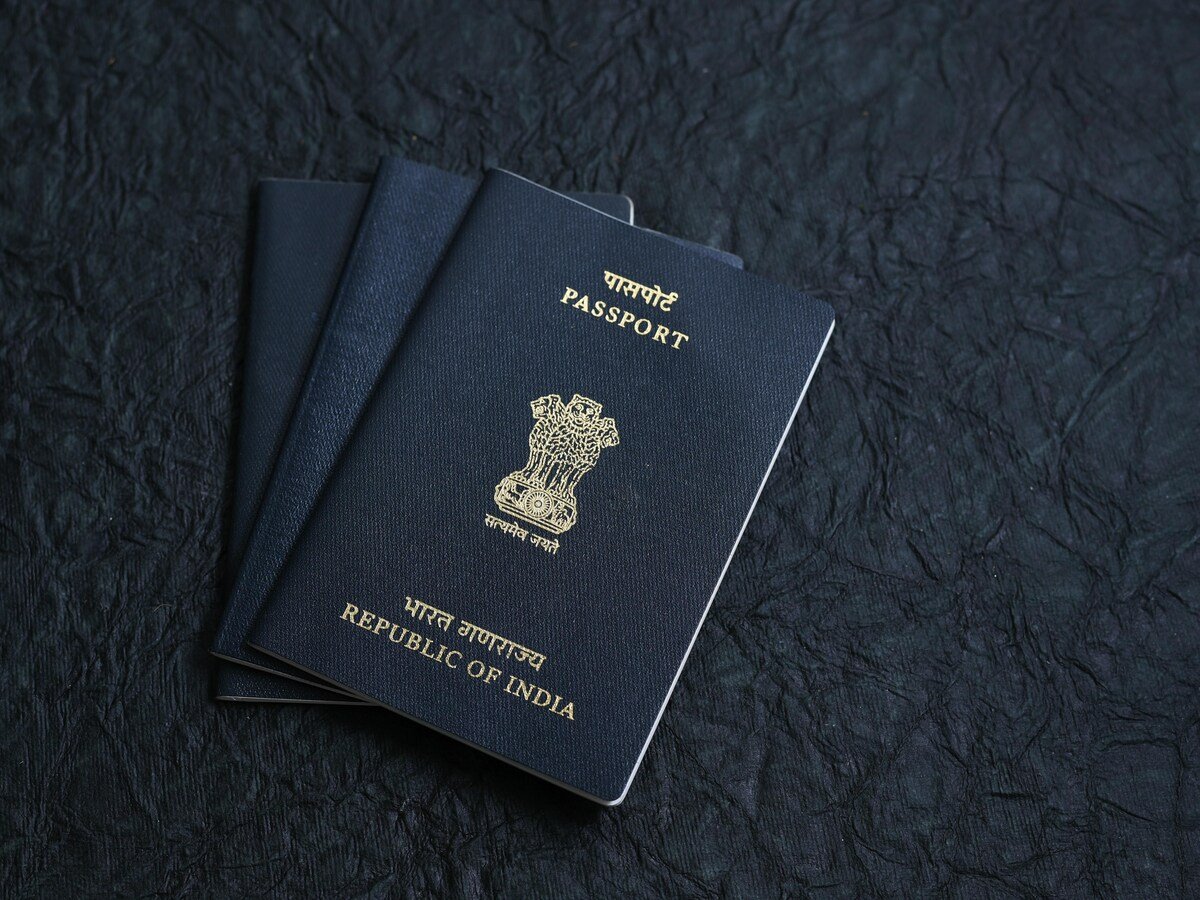
Indian travellers have reason to cheer as the global standing of the Indian passport has improved in the latest Henley Passport Index 2026. According to the annual ranking released by London-based global citizenship advisory firm Henley & Partners, India has climbed five places to reach the 80th position, up from 85th in 2025.
With this improvement, Indian passport holders now enjoy visa-free or visa-on-arrival access to 55 countries worldwide. The list includes destinations across Asia, Africa, the Caribbean and Oceania, where Indian citizens can travel without prior visa approvals, significantly reducing paperwork, costs and waiting periods.
The ranking reflects a gradual but steady enhancement in India’s global travel mobility, even as it continues to trail behind passports from advanced economies.
Certified Cyber Crime Investigator Course Launched by Centre for Police Technology
Asia retains dominance
Asian countries once again dominated the top of the Henley Passport Index. Singapore retained its position as the world’s most powerful passport for the third consecutive year, with its citizens enjoying visa-free or visa-on-arrival access to 192 destinations globally.
Japan and South Korea jointly occupied the second position, offering access to more than 190 destinations without prior visas. Several European nations, including Germany, France, Italy and Spain, also remained among the top-ranked passports, although Asia-Pacific countries have continued to widen their lead in recent years.
Analysts note that Asia’s dominance reflects a combination of strong diplomatic ties, stable immigration systems and reciprocal visa arrangements that favour cross-border mobility.
Why India’s ranking improved
Experts attribute India’s rise in the rankings to a mix of diplomatic outreach and expanding bilateral agreements with smaller and emerging economies. Over the past few years, India has entered into visa-waiver or simplified visa arrangements with several countries, particularly in Africa, island nations in the Caribbean, and parts of Southeast Asia.
India’s growing economic footprint, expanding outbound travel market, and increasing integration with global trade and tourism networks have also contributed to improving passport acceptance.
However, despite the progress, India’s access to only 55 destinations remains limited when compared to top-ranking countries. Indian travellers still require visas for major destinations such as the United States, the United Kingdom and most of the European Union’s Schengen countries—factors that continue to weigh on India’s overall ranking.
What the Henley Passport Index measures
The Henley Passport Index is considered one of the most authoritative global passport rankings. It is based on exclusive data from the International Air Transport Association (IATA), which maintains the world’s largest database of travel information.
The index evaluates passports based on the number of destinations their holders can access without obtaining a visa in advance. Visa-free travel, visa-on-arrival and electronic travel authorisations are counted positively, while destinations requiring pre-approved visas are excluded from the score.
The ranking is updated annually and widely used by governments, investors and global mobility analysts as a benchmark for passport strength.
What it means for Indian travellers
For Indian travellers, the improvement in ranking translates into easier international mobility, particularly for tourism and short-term business travel. Visa-free and visa-on-arrival access reduces administrative hurdles and allows for more spontaneous travel planning.
Travel industry experts, however, caution that passport rankings are indicative rather than definitive. Actual travel experiences can still vary based on immigration checks, local regulations and frequently changing entry rules. Visa-free access does not guarantee entry, as final decisions rest with immigration authorities at destination points.
The road ahead
According to policy observers, India’s passport ranking could improve further if it secures broader visa waiver agreements with developed economies and key trading partners. Progress on migration cooperation, border security standards and data-sharing frameworks could play a crucial role in enabling such agreements.
For now, the Henley Passport Index 2026 signals a gradual strengthening of India’s global mobility position, even as significant gaps remain between India and the world’s most powerful passports.
About the author – Ayesha Aayat is a law student and contributor covering cybercrime, online frauds, and digital safety concerns. Her writing aims to raise awareness about evolving cyber threats and legal responses.
Follow for daily updates on cybercrime, corporate fraud, DFIR, hacking, investigations, and digital forensics
